

The Magic Behind Ccd Visual Inspection: Unveiling Its Working Principles
2025-03-27


Understanding Ccd Visual Inspection
Ccd Visual Inspection, a term that might seem technical at first glance, is all about ensuring quality in various industries. But what’s the deal with it? Well, let’s dive into the nitty-gritty of how this innovative technology works and why it’s become a staple in quality assurance.
What Exactly Is Ccd Visual Inspection?
At its core, Ccd Visual Inspection stands for Charge-Coupled Device Visual Inspection. This method leverages sophisticated imaging technology to scrutinize products for defects. Imagine having a super-efficient pair of eyes that can detect even the tiniest flaw on a surface! That’s the magic of Ccd Visual Inspection.
How Does It Work?
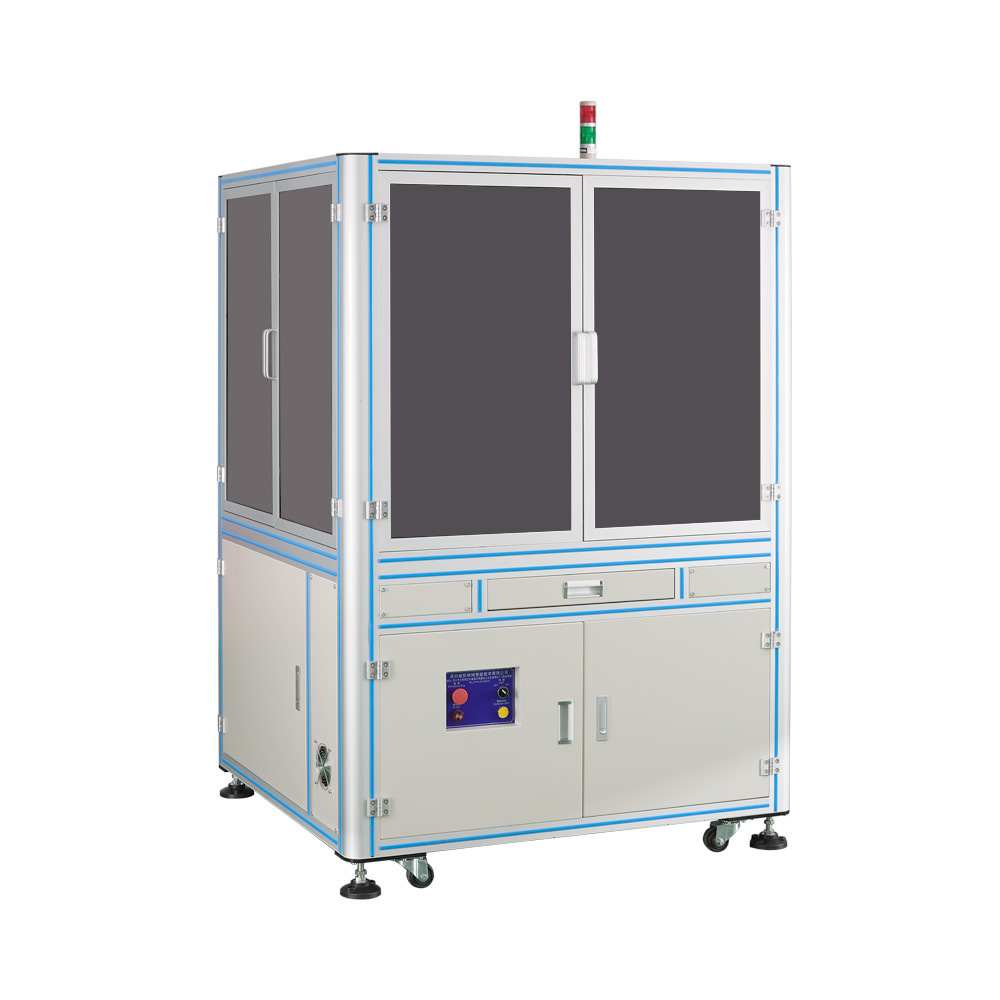
Picture this: you have a device equipped with a CCD sensor, which is sensitive to light. When light hits the product, the sensor captures the image, converting it into an electrical signal. This signal is then processed to highlight defects or irregularities. It’s like having a high-tech magnifying glass that can also analyze the image and spit out results in real-time!
The Benefits of Using Ccd Visual Inspection
Now, you might wonder, why should companies invest in Ccd Visual Inspection? Well, for starters:
- Speed: This technology operates at lightning speed, making it perfect for high-volume production lines.
- Accuracy: With its ability to detect minute defects, it minimizes human error, ensuring consistent quality.
- Cost-Effectiveness: By catching defects early, it saves companies from costly recalls and rework.
Real-World Applications
From the automotive sector to electronics, Ccd Visual Inspection is everywhere. In automotive manufacturing, for instance, it helps in inspecting components like circuit boards and engine parts. Similarly, in the electronics industry, it ensures that every single chip is up to snuff before it hits the market.
How to Implement Ccd Visual Inspection
If you’re in a position to incorporate Ccd Visual Inspection into your quality control processes, here are a few steps:
- Assess Your Needs: Determine what you need to inspect and the level of detail required.
- Choose the Right Equipment: Invest in a reliable CCD camera that suits your specific requirements.
- Train Your Team: Ensure that your staff is well-versed in operating the equipment and interpreting results.
Future Trends in Ccd Visual Inspection
As technology progresses, so does Ccd Visual Inspection. The future looks bright, with advancements in AI and machine learning promising to enhance image analysis. Imagine a system that not only detects flaws but also predicts potential issues before they arise. Now, that’s food for thought!
Conclusion: Embracing the Future of Quality Inspection
So, there you have it! Ccd Visual Inspection is more than just a technical term; it’s a vital component of modern manufacturing and quality assurance. By embracing this technology, companies can ensure their products meet the highest standards, ultimately leading to satisfied customers.
In a world where quality is paramount, Ccd Visual Inspection is a game-changer that’s here to stay. Are you ready to transform your quality control processes?
Contact Us
Ms. Lu: +86-18128878019
Phone: +86 0755-23199519
ADD : Room 302, 402, Building A, Xinpitou Industrial Zone, Kanghong Road, Xinqiang Community, Xinhu Street, Guangming New District, Shenzhen
Online Message
Our team will get in touch with you shortly, so keep an eye on your inbox




