

The Magic Behind Optical Inspection Equipment: How It Works
2025-02-10


Unveiling Optical Inspection Equipment
When it comes to ensuring quality in manufacturing, optical inspection equipment plays a pivotal role. Think of it as the watchful eye of the production line, tirelessly working to catch defects that could slip through the cracks. But, how does it even work? Let’s dive into the nitty-gritty!
What Exactly is Optical Inspection Equipment?
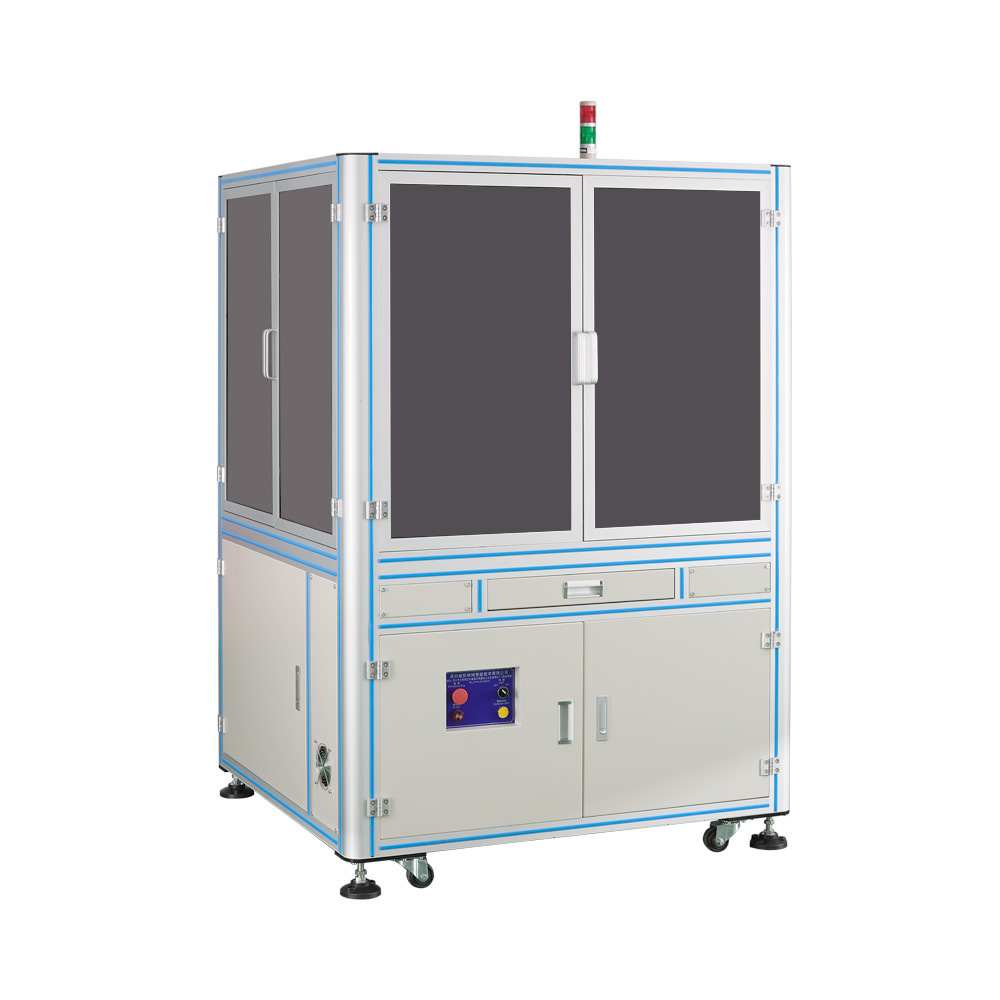
In the simplest terms, optical inspection equipment uses light to examine and analyze objects. This can range from tiny components in electronics to large automotive parts. By harnessing the power of optics, these machines can detect flaws, measure dimensions, and even assess surface finish. It’s like having a super-sleuth on your production floor!
The Science Behind It
Alright, here comes the fun part—how it actually works! Optical inspection equipment typically employs a combination of illumination and imaging techniques. Let’s break it down:
- Illumination: High-intensity light sources (like LEDs or lasers) are used to illuminate the object being inspected. This light can be directed in various ways—through reflection or transmission—to highlight defects.
- Imaging: Once illuminated, cameras equipped with advanced sensors capture images of the object. These cameras can be super high-res, allowing for minute details to be visible.
Types of Optical Inspection Equipment
There’s a whole buffet of optical inspection tools out there, each serving a unique purpose. Here are a few standouts:
- Automated Optical Inspection (AOI) Systems: These are the heavyweights in electronics manufacturing. They can quickly analyze circuit boards for any missing or incorrectly placed components.
- 3D Optical Profilers: Perfect for measuring surface features, these machines create a 3D map of the object, providing detailed insights into its topography.
- Microscopes: Don't underestimate the classic! Optical microscopes are still widely used for examining small parts or materials at high magnification.
Applications Galore!
You might be wondering, where’s this tech being used? Well, the answer is everywhere! From electronics to automotive, and even in the medical field, optical inspection equipment is a game-changer.
For instance, in the semiconductor industry, these tools ensure that tiny microchips are free of defects. In the automotive sector, they help guarantee the quality of components, enhancing safety and reliability. Talk about a versatile tool!
Benefits of Optical Inspection Equipment
Now, let’s not forget the perks! Using optical inspection equipment can:
- Increase Efficiency: With the speed of automated inspections, manufacturers can significantly reduce production time.
- Enhance Quality: Catching defects early means fewer recalls and higher customer satisfaction.
- Save Costs: While the initial investment may be hefty, the long-term savings from reduced waste and improved quality control are well worth it.
Challenges to Consider
Of course, no technology is without its hiccups. Some challenges include:
- Calibration: Keeping the equipment calibrated for accurate measurements can be a bit of a chore.
- Complexity: The technology can be complex, requiring trained personnel to operate effectively.
The Future of Optical Inspection Equipment
As technology continues to evolve, so does optical inspection equipment. Innovations like AI and machine learning are being integrated to enhance detection capabilities and automate analysis even further. The future looks bright!
Wrapping It Up!
In a nutshell, optical inspection equipment is a marvel of modern technology. By utilizing light and imaging, it ensures that quality is maintained across various industries. So next time you hear about it, you’ll know that it’s not just fancy machinery—it’s the backbone of quality control!
Contact Us
Ms. Lu: +86-18128878019
Phone: +86 0755-23199519
ADD : Room 302, 402, Building A, Xinpitou Industrial Zone, Kanghong Road, Xinqiang Community, Xinhu Street, Guangming New District, Shenzhen
Online Message
Our team will get in touch with you shortly, so keep an eye on your inbox




