

Understanding Aoi Automatic Optical Inspection: How It Works
2025-08-20


What is Aoi Automatic Optical Inspection?
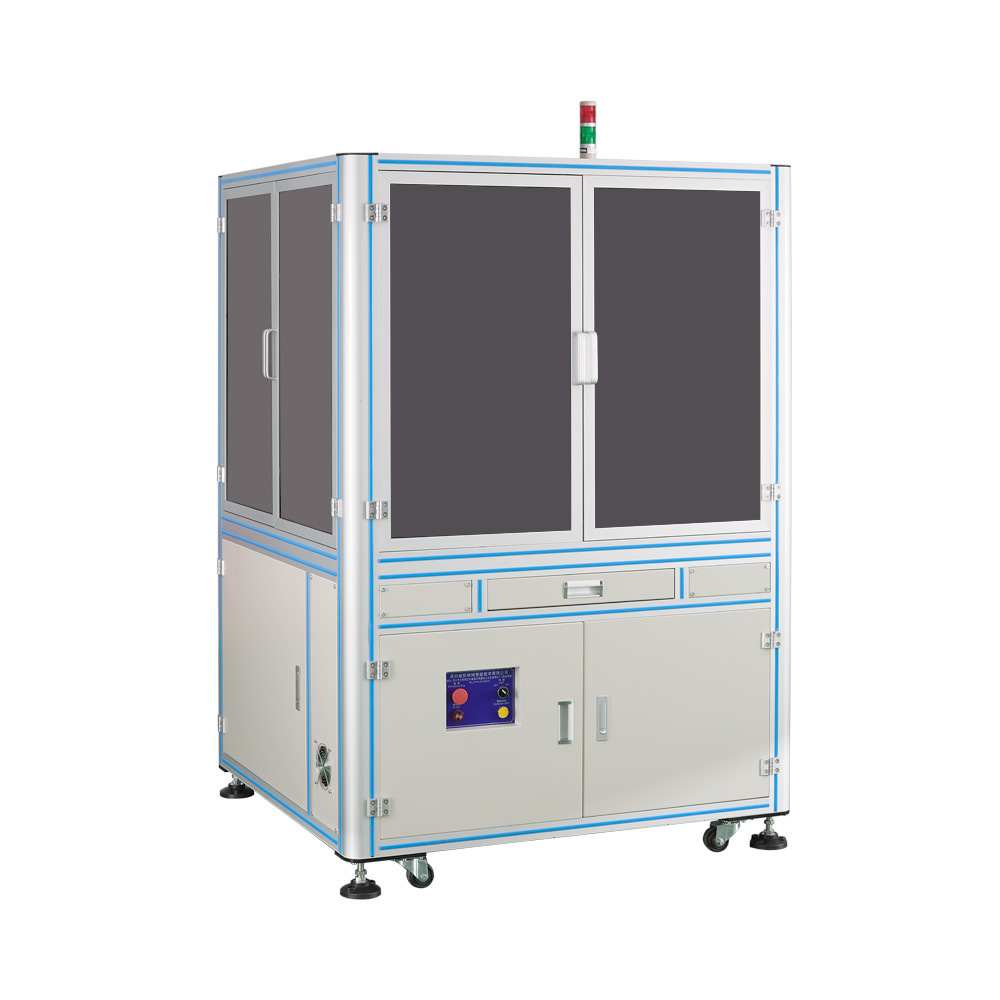
So, you're curious about Aoi Automatic Optical Inspection, huh? Well, you're in for a treat! This technology is a game-changer in the world of manufacturing, especially in the electronics sector. It's like having a super-watchful eye that ensures every tiny detail on a circuit board is just right. But how does it work? Let's dive in!
Breaking Down the Basics
At its core, Aoi Automatic Optical Inspection is all about quality control. Imagine a high-tech camera scanning a PCB (Printed Circuit Board) at lightning speed. This isn't just any camera; it's equipped with advanced algorithms that can detect defects and anomalies with incredible precision. Talk about a cool gadget!
How Does It Work?
Alright, let's get into the nitty-gritty. The process begins with the placement of the PCB on the inspection conveyor. Once it's in position, the Aoi system springs into action. Here's a step-by-step breakdown:
- Step 1: Illumination - Bright lights illuminate the PCB from various angles, ensuring every nook and cranny is visible.
- Step 2: Image Capture - A series of high-resolution cameras take images of the board from multiple perspectives.
- Step 3: Image Processing - Those images are then processed using sophisticated software that compares them against a set of pre-defined standards.
- Step 4: Defect Detection - The system identifies any inconsistencies, whether it's a missing component or incorrect soldering.
- Step 5: Reporting - Finally, a comprehensive report is generated, detailing any issues found, which helps manufacturers take corrective action.
The Benefits of Aoi Automatic Optical Inspection
Now that we know how it works, let's chat about why it's so beneficial. Here are a few standout advantages:
- Speed: Aoi systems can analyze boards in mere seconds, making them a time-saver for manufacturers.
- Accuracy: With advanced algorithms, the error rate is drastically reduced, ensuring high-quality products.
- Cost-Effectiveness: By catching defects early, companies save on potential rework and warranty claims.
- Flexibility: These systems can be adjusted to inspect various types of boards, making them versatile.
Challenges to Consider
But, hey, it's not all sunshine and rainbows. There are some challenges associated with Aoi Automatic Optical Inspection:
- Initial Setup Cost: The investment can be hefty for smaller manufacturers.
- False Positives: Sometimes, the system might flag a component as defective when it's not, leading to unnecessary rework.
- Training Requirements: Operators need to be trained to interpret the reports and manage the system effectively.
The Future of Aoi Automatic Optical Inspection
Looking ahead, the future of Aoi technology seems bright! With advancements in AI and machine learning, these systems are only going to get smarter. Imagine a world where these machines not only detect defects but also predict potential failures before they even happen. Now that's something to get excited about!
In Conclusion
So, there you have it—a peek into the fascinating world of Aoi Automatic Optical Inspection. This technology plays a pivotal role in ensuring the quality and reliability of electronic products, making it a cornerstone of modern manufacturing. Whether you're a seasoned pro or a curious newbie, understanding how this system works equips you with valuable insights into the future of electronics!
Contact Us
Ms. Lu: +86-18128878019
Phone: +86 0755-23199519
ADD : Room 302, 402, Building A, Xinpitou Industrial Zone, Kanghong Road, Xinqiang Community, Xinhu Street, Guangming New District, Shenzhen
Online Message
Our team will get in touch with you shortly, so keep an eye on your inbox




