

Understanding Automatic Optical Inspection (AOI) Technology in China
2025-02-10


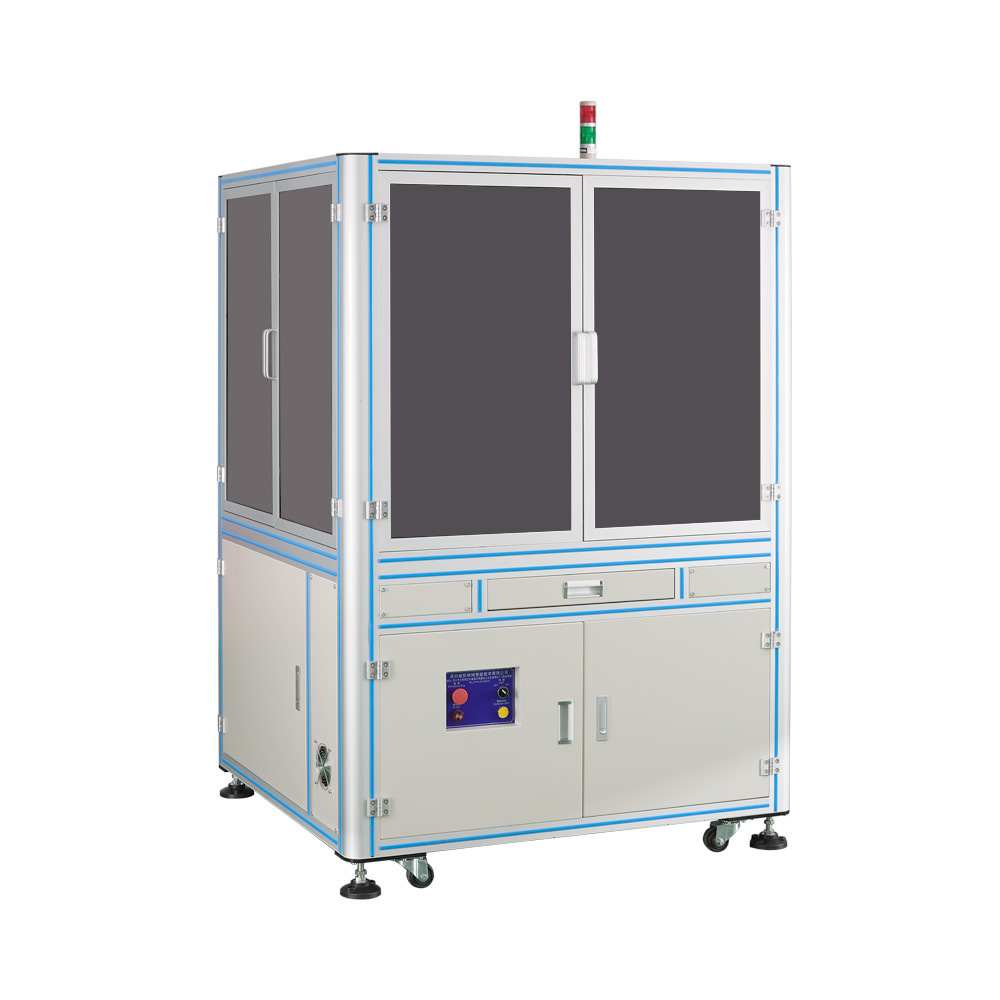
Automatic Optical Inspection (AOI) technology has increasingly become a critical component in the manufacturing landscape of optical instruments and lenses, particularly in China. This advanced visual inspection process uses automated systems to evaluate the quality of products, ensuring they meet stringent standards before reaching consumers or further processing stages.
AOI systems typically employ high-resolution cameras that capture detailed images of the products as they pass through a production line. These images are then analyzed using sophisticated algorithms to detect defects such as scratches, bubbles, and alignment issues that could compromise product performance. The technology enhances traditional inspection methods by providing rapid, accurate, and repeatable assessments, which are essential in the highly competitive optical lens market.
One of the significant advantages of AOI technology lies in its speed and efficiency. In industries such as optical manufacturing, where precision is crucial, the ability to perform inspections in real-time allows for immediate corrective actions. This capability drastically reduces the time and labor required for manual inspections, leading to lower operational costs and improved production rates. Furthermore, AOI systems can operate continuously without fatigue, ensuring that quality checks are consistently applied throughout the production process.
In the context of the Chinese market, the adoption of AOI technology has been driven by the rapid growth and modernization of the manufacturing sector. With the increasing demand for high-quality optical products, companies are investing in innovative technologies to enhance their production capabilities. AOI serves as a vital tool in this transformation, helping manufacturers maintain high standards while scaling their operations to meet global demands.
Moreover, AOI technology is not solely limited to defect detection. It also plays a crucial role in process optimization. By providing detailed data on defects and production processes, manufacturers can analyze trends and implement improvements. This data-driven approach enables a proactive strategy towards quality management, reducing waste, and enhancing overall productivity.
As the industry evolves, the integration of artificial intelligence and machine learning into AOI systems is anticipated to further elevate their effectiveness. These advancements will allow for even more sophisticated defect recognition and analysis, paving the way for smarter manufacturing practices.
In conclusion, Automatic Optical Inspection (AOI) technology is essential for the optical lens and instrument sector in China, contributing significantly to quality assurance and operational efficiency. By leveraging AOI, manufacturers can not only enhance their product quality but also streamline their production processes, ensuring they remain competitive in an increasingly demanding market. As technology continues to advance, AOI will undoubtedly play a pivotal role in shaping the future of optical manufacturing.
Contact Us
Ms. Lu: +86-18128878019
Phone: +86 0755-23199519
ADD : Room 302, 402, Building A, Xinpitou Industrial Zone, Kanghong Road, Xinqiang Community, Xinhu Street, Guangming New District, Shenzhen
Online Message
Our team will get in touch with you shortly, so keep an eye on your inbox




