

Understanding the Role of Connector Optical Screening Machines in Material Processing
2025-11-18


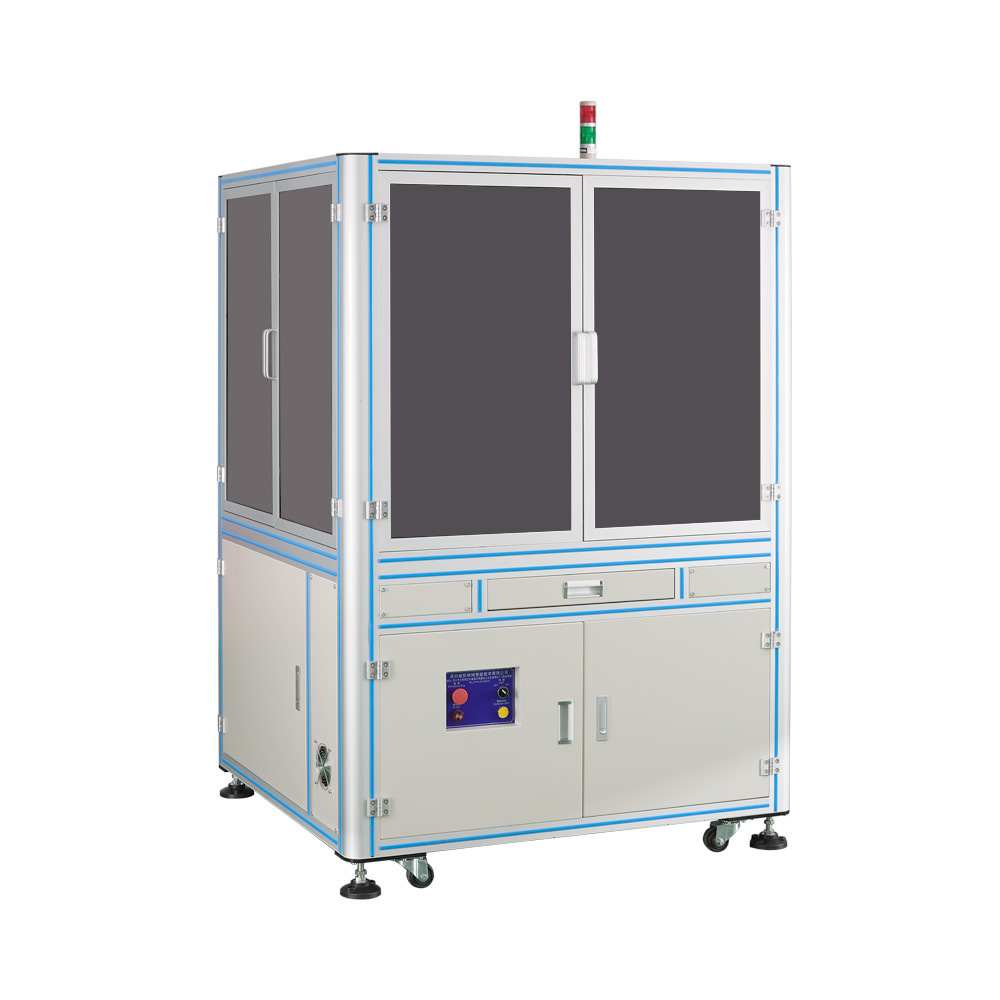
In the realm of manufacturing and processing machinery, particularly within the sectors of crushing and sorting, Connector Optical Screening Machines play a pivotal role in enhancing operational efficiency and productivity. These advanced machines utilize optical technology to identify and separate materials based on specific characteristics such as size, shape, and color. By doing so, they expedite the sorting process, allowing manufacturers to optimize their workflows and reduce the time and labor associated with manual sorting.
One of the primary advantages of Connector Optical Screening Machines is their ability to provide precise sorting capabilities. Unlike traditional methods, which may rely on mechanical or vibrational sorting, these machines utilize high-resolution cameras and sophisticated algorithms to analyze materials in real-time. This technology enables them to detect even the slightest variations in material properties, ensuring that only the desired materials proceed to the next stage of processing. Consequently, manufacturers can enhance the purity and quality of their end products, which is vital for meeting industry standards and customer expectations.
Moreover, the integration of Connector Optical Screening Machines into processing lines can lead to significant cost savings. By improving sorting accuracy, these machines minimize material waste and ensure that valuable resources are not discarded inadvertently. Businesses can thus achieve a higher return on investment (ROI) as they maximize the utility of available materials. Additionally, the automation of the sorting process reduces the need for manual labor, thereby lowering operational costs and mitigating the risks associated with human error.
The versatility of Connector Optical Screening Machines also makes them suitable for a wide range of materials and applications. Whether dealing with plastics, metals, or organic materials, these machines can be tailored to meet specific processing needs. Their adaptability is particularly beneficial in industries where material composition may vary, allowing manufacturers to maintain high efficiency regardless of the input material.
Furthermore, the implementation of Connector Optical Screening Machines supports compliance with environmental regulations by facilitating more sustainable processing practices. By ensuring that recyclables are accurately sorted and processed, these machines contribute to reducing landfill waste and promoting recycling efforts. This not only aligns with corporate social responsibility goals but also enhances a company’s reputation in an increasingly eco-conscious marketplace.
In summary, Connector Optical Screening Machines are essential assets for manufacturers in the crushing and sorting machinery sector. Their ability to provide accurate, efficient, and sustainable sorting solutions makes them invaluable in optimizing material processing operations. For businesses looking to stay competitive in the evolving landscape of manufacturing, investing in such technology can lead to enhanced productivity, reduced waste, and improved product quality.
Contact Us
Ms. Lu: +86-18128878019
Phone: +86 0755-23199519
ADD : Room 302, 402, Building A, Xinpitou Industrial Zone, Kanghong Road, Xinqiang Community, Xinhu Street, Guangming New District, Shenzhen
Online Message
Our team will get in touch with you shortly, so keep an eye on your inbox




