

Unlocking Efficiency: The Benefits of Precision Optical Sorting Machines
2025-11-24


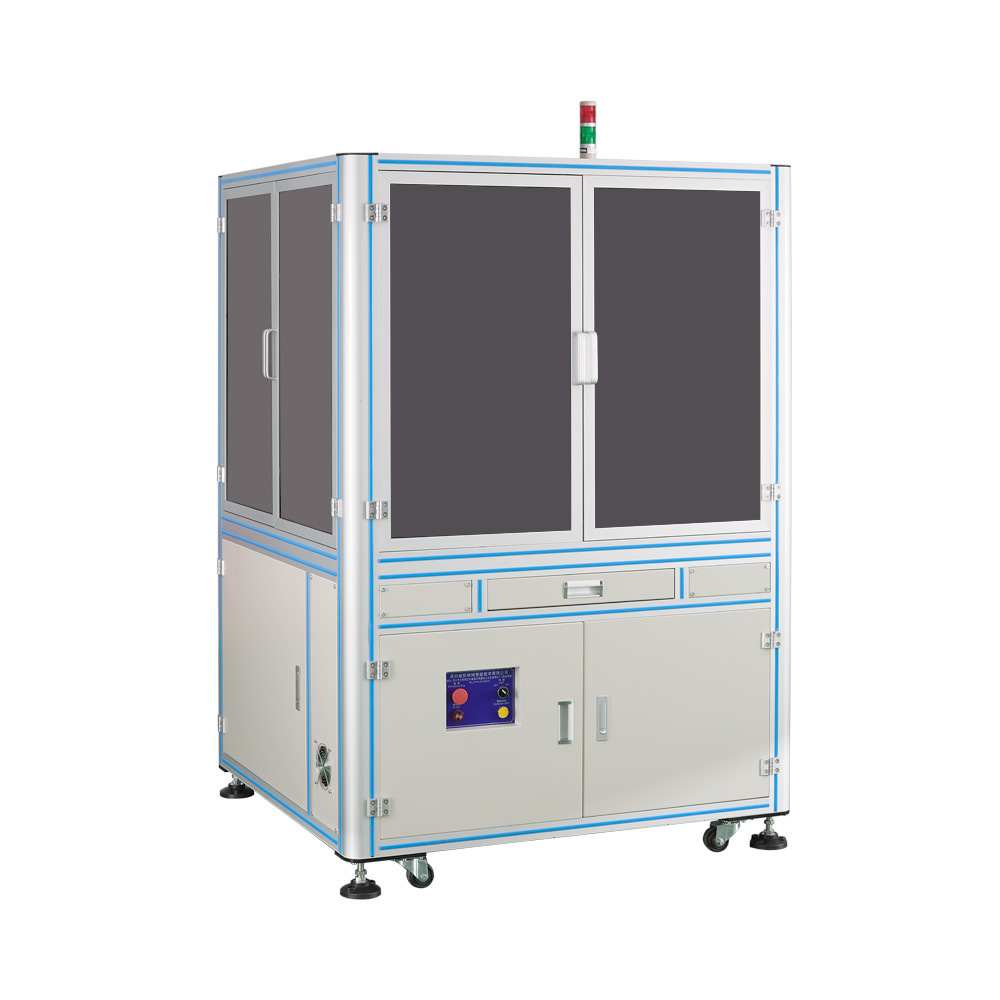
Precision optical sorting machines represent a significant advancement in the field of sorting and screening machinery. In industries such as recycling, food processing, and mineral processing, these machines utilize advanced imaging technology and sophisticated algorithms to enhance product quality and operational efficiency. By incorporating high-resolution cameras and sensors, precision optical sorting machines can effectively distinguish between materials based on color, size, shape, and even texture. This capability allows businesses to achieve a level of accuracy in sorting that manual processes simply cannot match.
One of the key benefits of using precision optical sorting machines is their ability to improve product purity. For example, in recycling operations, these machines can effectively separate contaminants from valuable recyclable materials, thus ensuring that the end product meets stringent quality standards. This not only enhances the value of the recycled materials but also contributes to environmental sustainability by reducing waste.
Furthermore, precision optical sorting machines offer increased processing speed. Traditional sorting methods can be labor-intensive and slow, often leading to bottlenecks in production. In contrast, optical sorting technology operates at high speeds, allowing for a more efficient workflow. This efficiency translates to higher throughput and reduced operational costs, making it a valuable investment for businesses looking to enhance their processing capabilities.
Flexibility is another significant advantage of precision optical sorting machines. They can be programmed to sort a wide variety of materials, making them suitable for different applications. Whether you're sorting agricultural products, plastics, or minerals, these machines can be adapted to meet the specific requirements of your operations. This versatility not only enhances productivity but also minimizes the need for multiple sorting machines, optimizing your capital investment.
Moreover, the integration of precision optical sorting machines into your production line can lead to better traceability and data collection. Many modern systems come equipped with data analysis tools that provide insights into sorting performance and material flow. These analytics can assist in identifying areas for improvement, further driving efficiency in your operations.
In conclusion, precision optical sorting machines are revolutionizing the way industries approach sorting and processing. Their ability to enhance product quality, increase processing speed, provide flexibility, and offer valuable data insights makes them an essential component of modern manufacturing and processing operations. As businesses continue to seek ways to optimize their processes and improve product offerings, investing in precision optical sorting machines is becoming increasingly crucial for maintaining a competitive edge in the market.
Contact Us
Ms. Lu: +86-18128878019
Phone: +86 0755-23199519
ADD : Room 302, 402, Building A, Xinpitou Industrial Zone, Kanghong Road, Xinqiang Community, Xinhu Street, Guangming New District, Shenzhen
Online Message
Our team will get in touch with you shortly, so keep an eye on your inbox




