

Unlocking Efficiency: The Rise of the Optical Screening Machine
2025-01-16


Introduction: A New Dawn in Screening Technology
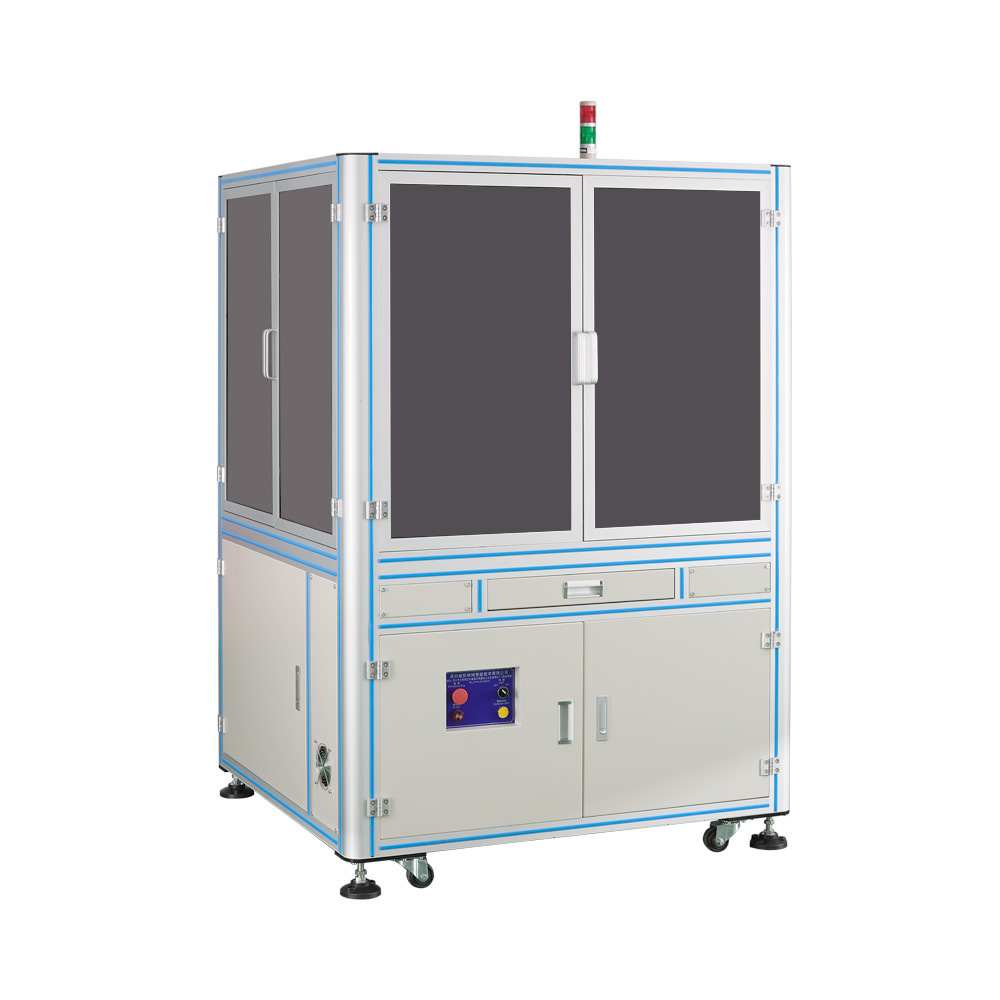
Have you ever wondered how industries keep up with the ever-increasing demand for quality control? Well, let me tell you, the game-changer is none other than the optical screening machine. These nifty devices are taking the world by storm, and for good reason!
What is an Optical Screening Machine?
In simple terms, an optical screening machine is a sophisticated device that utilizes advanced imaging technology to assess and analyze various materials. Whether it's in manufacturing, pharmaceuticals, or even food processing, these machines are the unsung heroes ensuring that only the finest products make it to market.
How Does It Work?
So, how do they work? Well, to put it mildly, it’s a blend of science and magic! These machines employ high-resolution cameras and powerful software algorithms to detect defects, contaminants, and inconsistencies within a product. Imagine having a 24/7 quality control team that never takes a break—sounds pretty sweet, right?
The Technology Behind the Magic
At its core, the optical screening machine leverages light—hence the name! By capturing images of the items being screened, it analyzes them pixel by pixel. The software then sifts through this data to identify any abnormalities. It’s like having a magnifying glass that can analyze millions of data points in the blink of an eye!
Benefits of Optical Screening Machines
Now, you might be asking yourself, "What’s in it for me?" Well, let me break it down:
- Speed: These machines operate at lightning speed, drastically reducing the time it takes to inspect products.
- Accuracy: With precision imaging, the chance of human error is minimized. Quality assurance just got a major upgrade.
- Cost-Effective: By cutting down on defective products, companies save big in the long run.
- Versatility: From pharmaceuticals to food production, optical screening machines are adaptable across various industries.
Real-World Applications
Let’s paint a picture of how these machines are being utilized:
- Pharmaceuticals: Ensuring that each pill is up to standard—no more, no less.
- Food Processing: Detecting foreign objects and ensuring the highest quality in every bite.
- Manufacturing: Monitoring components in assembly lines to maintain product integrity.
A Case Study: Food Industry
Take the food industry, for example. An optical screening machine can identify even the tiniest fragments of contaminants. This not only safeguards consumers but also bolsters a company’s reputation. Talk about a win-win!
Challenges and Considerations
Now, don’t get me wrong—while the advantages are clear, there are some bumps along the road. The initial investment for these machines can be substantial. Plus, companies need to ensure that they have the right technology and training in place. But as the saying goes, "You’ve got to spend money to make money!" And in this case, it’s worth every penny.
The Future is Bright
As we look ahead, the role of the optical screening machine is only set to expand. With advancements in AI and machine learning, we can expect even more efficiency and accuracy. Imagine a future where quality control is not just a necessity but an art form.
Conclusion: Embrace the Change
In conclusion, the optical screening machine is more than just a piece of equipment; it’s a revolutionary tool that is reshaping industries across the globe. So, if you’re in a field that demands top-notch quality, it might be high time to consider investing in one of these technological marvels. After all, who wouldn’t want to be at the forefront of innovation?
Contact Us
Ms. Lu: +86-18128878019
Phone: +86 0755-23199519
ADD : Room 302, 402, Building A, Xinpitou Industrial Zone, Kanghong Road, Xinqiang Community, Xinhu Street, Guangming New District, Shenzhen
Online Message
Our team will get in touch with you shortly, so keep an eye on your inbox




