

Unlocking Precision: The Role of CCD Inspection Equipment in Optical Quality Control
2025-03-26


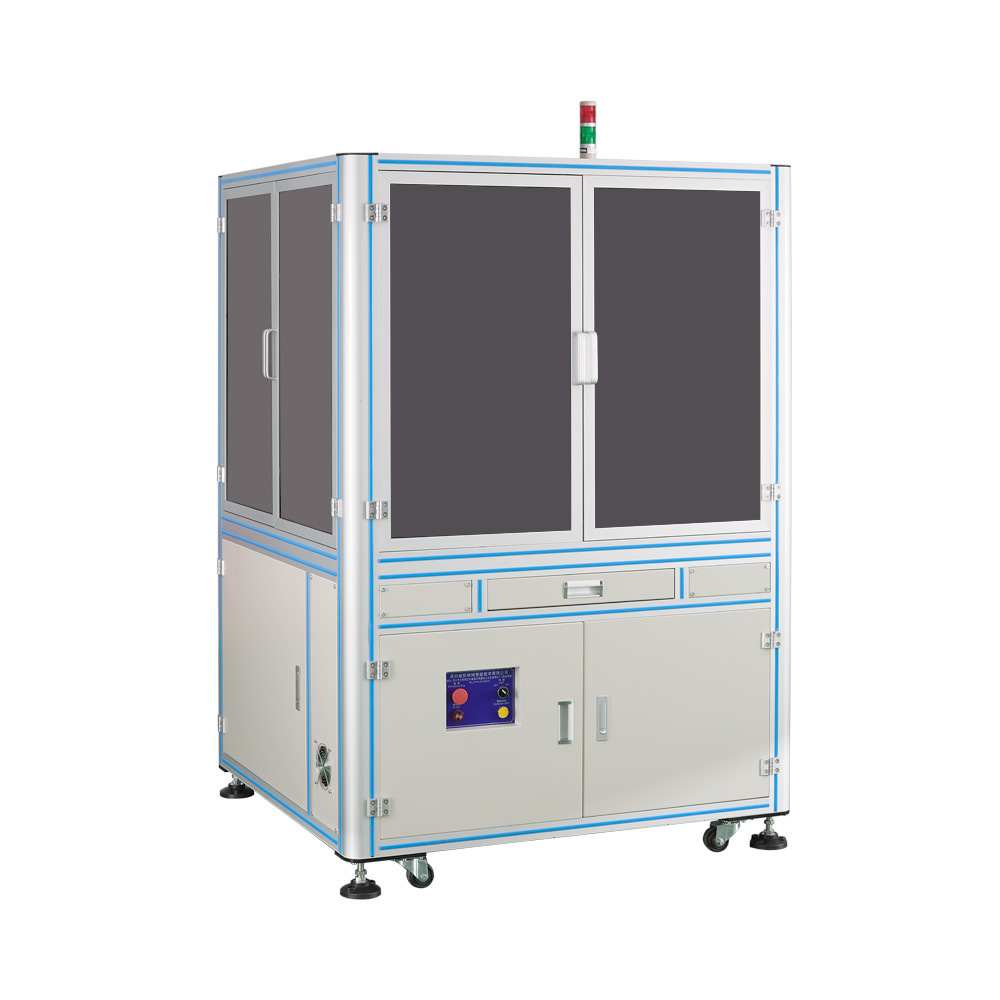
In the realm of optical instruments and lenses, ensuring precision and quality is paramount. This is where CCD inspection equipment plays a crucial role. CCD, or Charge-Coupled Device, is a technology that transforms light into electronic signals, allowing for high-resolution imaging. In the context of optical inspections, CCD equipment is invaluable for detecting defects, measuring dimensions, and ensuring that products meet stringent quality standards.
One of the primary advantages of CCD inspection equipment is its ability to capture detailed images with exceptional clarity. This high-resolution capability enables manufacturers to identify minute flaws that could compromise the performance of optical devices. For instance, when inspecting lenses, even the smallest scratches or imperfections can significantly affect light transmission and image quality. By utilizing CCD technology, manufacturers can ensure that these defects are caught early in the production process, reducing waste and improving overall quality.
Another significant benefit of CCD inspection equipment is its speed. Traditional inspection methods often rely on manual processes, which can be time-consuming and prone to human error. In contrast, CCD systems can automate the inspection process, providing rapid results without sacrificing accuracy. This efficiency is particularly important in industries where production rates are high, and the demand for quality is unwavering.
Moreover, CCD inspection equipment is versatile and can be utilized in various applications beyond just optical lenses. It's applicable in the inspection of semiconductor wafers, printed circuit boards, and even in the automotive industry for quality control of components. Its adaptability makes it a valuable tool across multiple sectors, enhancing the quality assurance processes in each.
Furthermore, the integration of advanced software with CCD inspection equipment allows for sophisticated data analysis and reporting. Manufacturers can not only assess the quality of their products but also gather valuable insights into their production processes. This data can be used to identify trends, optimize manufacturing methods, and implement corrective actions to enhance quality even further.
In conclusion, CCD inspection equipment is a game-changer for the optical industry. Its ability to deliver high-resolution imaging, speed, versatility, and advanced data analysis capabilities makes it an essential component of modern quality control systems. By investing in CCD technology, manufacturers can ensure that they consistently produce high-quality optical instruments and lenses, ultimately leading to greater customer satisfaction and loyalty.
Contact Us
Ms. Lu: +86-18128878019
Phone: +86 0755-23199519
ADD : Room 302, 402, Building A, Xinpitou Industrial Zone, Kanghong Road, Xinqiang Community, Xinhu Street, Guangming New District, Shenzhen
Online Message
Our team will get in touch with you shortly, so keep an eye on your inbox




