

Unlocking Precision: The Role of CCD Optical Image Screening Machines in Manufacturing
2025-01-22


Unlocking Precision: The Role of CCD Optical Image Screening Machines in Manufacturing
Table of Contents
- Introduction to CCD Optical Image Screening Machines
- Understanding the Technology Behind CCD Optical Image Screening
- Applications of CCD Optical Image Screening Machines in Various Industries
- Key Benefits of Using CCD Optical Image Screening Machines
- Comparison with Traditional Screening Methods
- Challenges in Implementing CCD Optical Image Screening Machines
- The Future of CCD Optical Image Screening Technology
- Frequently Asked Questions
- Conclusion: Embracing Precision in Manufacturing
Introduction to CCD Optical Image Screening Machines
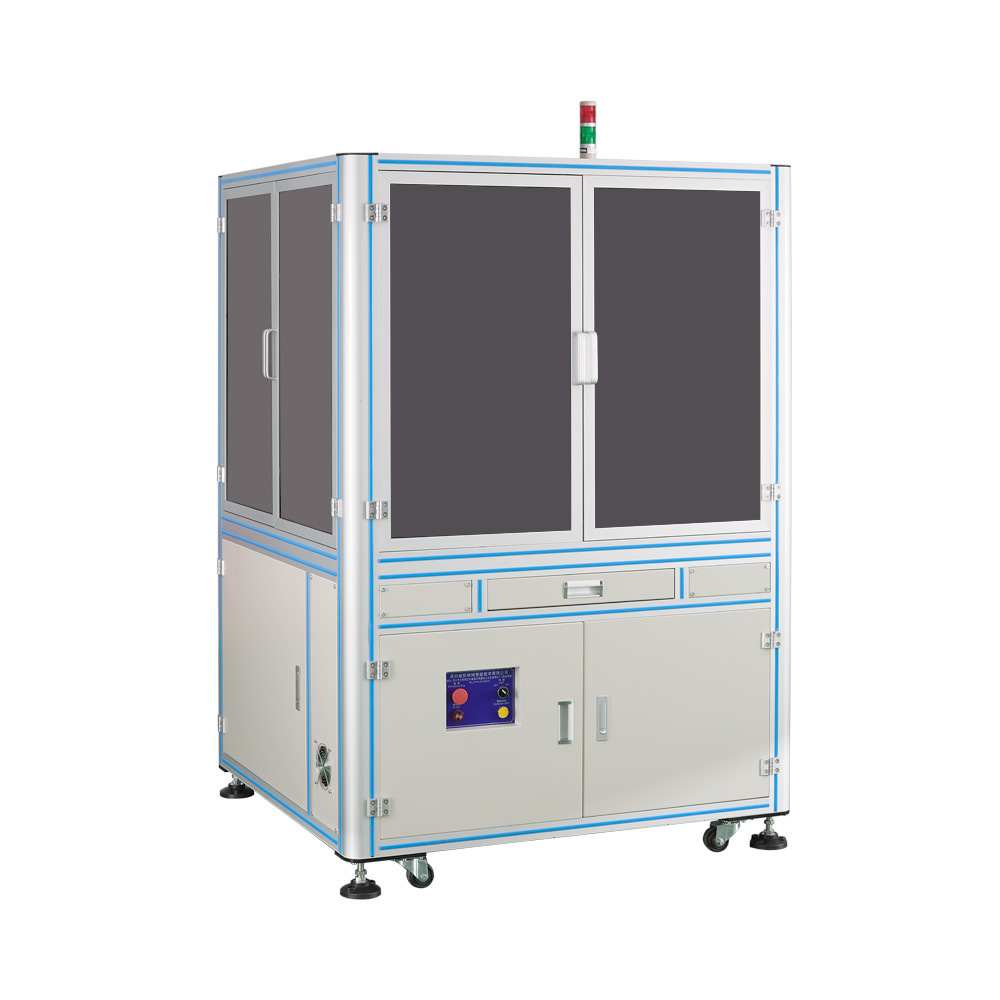
In today's highly competitive manufacturing landscape, achieving precision and efficiency is paramount. **CCD optical image screening machines** have emerged as a game-changer, offering unparalleled accuracy in sorting and screening processes. These sophisticated machines utilize Charge-Coupled Device (CCD) technology to capture high-resolution images of products, enabling manufacturers to detect defects and ensure quality control with remarkable precision.
As industries evolve and the demand for quality escalates, understanding the pivotal role of CCD optical image screening machines becomes essential for manufacturers committed to excellence.
Understanding the Technology Behind CCD Optical Image Screening
At the heart of CCD optical image screening machines lies advanced imaging technology. **CCD sensors** convert light into electronic signals, producing clear and detailed images of the objects being screened. Here’s a breakdown of the core components and how they function:
1. CCD Sensor
The CCD sensor is the primary component responsible for image capture. It consists of an array of tiny, light-sensitive diodes that convert incoming light into electrical charges. These charges are then read and processed to form a digital image, allowing for detailed analysis of the object's characteristics.
2. Illumination System
Effective illumination is crucial for accurate imaging. Various lighting techniques, such as **backlighting, front lighting**, and **side lighting**, are utilized to enhance the visibility of defects and features in the product. This adaptability allows for optimal conditions depending on the material and required analysis.
3. Image Processing Software
Once the image is captured, it is analyzed through sophisticated **image processing software**. This software employs algorithms to detect anomalies, measure dimensions, and classify products based on predefined criteria. The automation of this process significantly reduces the potential for human error.
4. User Interface
A user-friendly interface allows operators to easily configure settings, monitor real-time results, and generate reports. This accessibility ensures that manufacturers can swiftly adapt to changing requirements or troubleshoot issues as they arise.
Applications of CCD Optical Image Screening Machines in Various Industries
CCD optical image screening machines are versatile tools employed across multiple sectors. Their ability to enhance precision and efficiency makes them invaluable in various manufacturing processes. Below are some key applications:
1. Food Processing
In the food industry, maintaining quality and safety is non-negotiable. CCD optical screening helps detect foreign objects, defects, and inconsistencies in size and shape, ensuring that only products meeting strict standards reach consumers.
2. Electronics Manufacturing
For electronics manufacturers, precision is critical. CCD screening machines can identify defects in components and circuit boards, facilitating quality control and reducing the risk of failures in final products. They are particularly effective in inspecting solder joints and component placements.
3. Pharmaceutical Industry
In pharmaceuticals, the integrity of products is paramount. CCD optical image screening machines ensure that tablets, capsules, and packaging meet quality standards by detecting color variations, surface defects, and misprints.
4
Contact Us
Ms. Lu: +86-18128878019
Phone: +86 0755-23199519
ADD : Room 302, 402, Building A, Xinpitou Industrial Zone, Kanghong Road, Xinqiang Community, Xinhu Street, Guangming New District, Shenzhen
Online Message
Our team will get in touch with you shortly, so keep an eye on your inbox




