

Unlocking the Future: The Marvels of the Optical Screening Machine
2024-12-27


Unlocking the Future: The Marvels of the Optical Screening Machine
Ever heard of the saying, "Seeing is believing?" Well, in the world of technology, optical screening machines are making that phrase truer than ever. These nifty devices are not just cool gadgets; they are game-changers in various industries. So, let’s dive into the nitty-gritty of how these machines are transforming lives!
What’s an Optical Screening Machine Anyway?
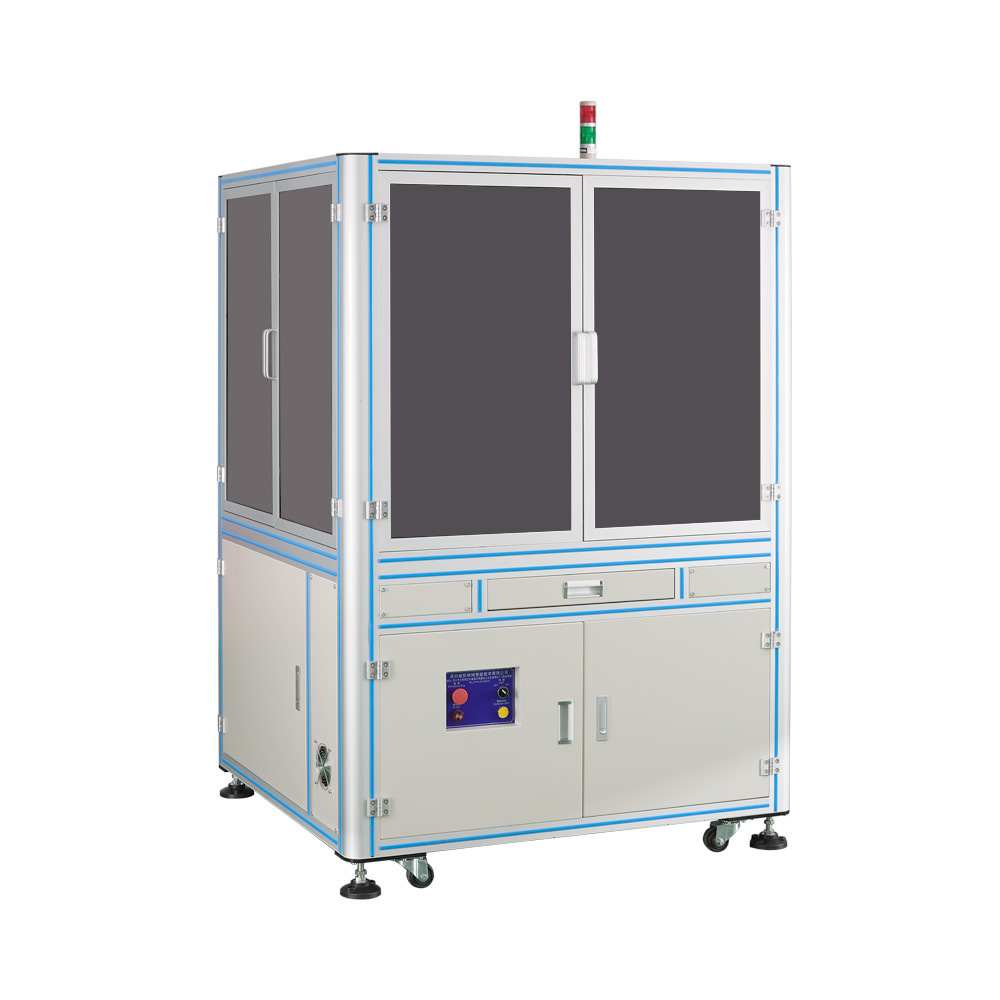
Before we get too deep into the techy stuff, let’s clear the air. An optical screening machine is essentially a tool that uses light and advanced imaging technology to analyze objects, materials, or even biological samples. Sounds fancy, right? These machines can detect defects, measure dimensions, and even help in identifying substances. It’s like having a superpower, but instead of flying or invisibility, you get precise data!
From Factories to Hospitals: A Jack-of-All-Trades
Now, you might be wondering, where on earth do we use these optical screening machines? The answer: practically everywhere! In manufacturing, they’re the unsung heroes ensuring that products meet quality standards. Imagine a factory assembly line where every item is checked for faults within seconds—talk about efficiency!
And it doesn’t stop there! In the healthcare sector, these machines are pivotal in screening for diseases. For example, they can analyze blood samples, helping doctors diagnose conditions much faster than traditional methods. It’s like having a personal assistant for health checks, making sure everything’s in tip-top shape!
How Do They Work? The Science Behind the Magic
Alright, let’s get geeky for a moment! The core of an optical screening machine involves sophisticated imaging techniques like spectroscopy and machine vision. Here’s the kicker: these machines emit light (often lasers) onto an object, and based on how the light interacts with that object, they gather a wealth of information.
For instance, if a machine is scanning a metal part, it can identify flaws or irregularities based on how the light reflects off the surface. It’s almost like a game of catch—only instead of a ball, you’re tossing around photons!
Benefits Galore: Why They’re Worth Every Penny
Now, let’s talk turkey! Why bother investing in an optical screening machine? Well, for starters, they save time and money. Think about it—fewer defects mean less waste, which translates to increased profits. Plus, these machines can work tirelessly, day in and day out, making them invaluable assets in any production line.
Moreover, they enhance precision. In industries where every millimeter counts, having an optical screening machine can mean the difference between success and failure. You wouldn’t want a faulty part in an airplane, right? Safety first!
Challenges and Future Prospects
Of course, it’s not all sunshine and rainbows. There are challenges involved in implementing these machines, such as the initial investment and the need for skilled personnel to operate them. However, with technology advancing at breakneck speed, these issues are slowly being resolved.
Looking ahead, the future of optical screening technology is bright. With AI and machine learning on the rise, we can expect even more advanced systems that can learn and adapt, providing even deeper insights into the materials being screened. It’s an exciting time to be in the industry!
Conclusion: Embracing the Optical Revolution
In conclusion, optical screening machines are not just another tech fad; they represent a significant leap forward in how we approach quality control, diagnostics, and analysis across various fields. Whether you’re a factory manager, a healthcare professional, or just a tech enthusiast, keeping an eye on these innovations is crucial.
So, the next time you hear someone talk about an optical screening machine, you’ll know they’re not just talking about a piece of equipment—they’re talking about the future of precision and efficiency. It’s a wild world out there, and we’re just getting started!
Contact Us
Ms. Lu: +86-18128878019
Phone: +86 0755-23199519
ADD : Room 302, 402, Building A, Xinpitou Industrial Zone, Kanghong Road, Xinqiang Community, Xinhu Street, Guangming New District, Shenzhen
Online Message
Our team will get in touch with you shortly, so keep an eye on your inbox




