

Unlocking the Power of Aoi Automatic Optical Inspection in Modern Manufacturing
2025-11-18


What is Aoi Automatic Optical Inspection?
In today's fast-paced manufacturing landscape, precision is key. Enter Aoi Automatic Optical Inspection, a game-changer in quality assurance. This nifty technology uses sophisticated cameras and algorithms to inspect products at lightning speed, ensuring that every item meets stringent quality standards. Just imagine—no more human error, no more missed defects!
The Mechanics Behind the Magic
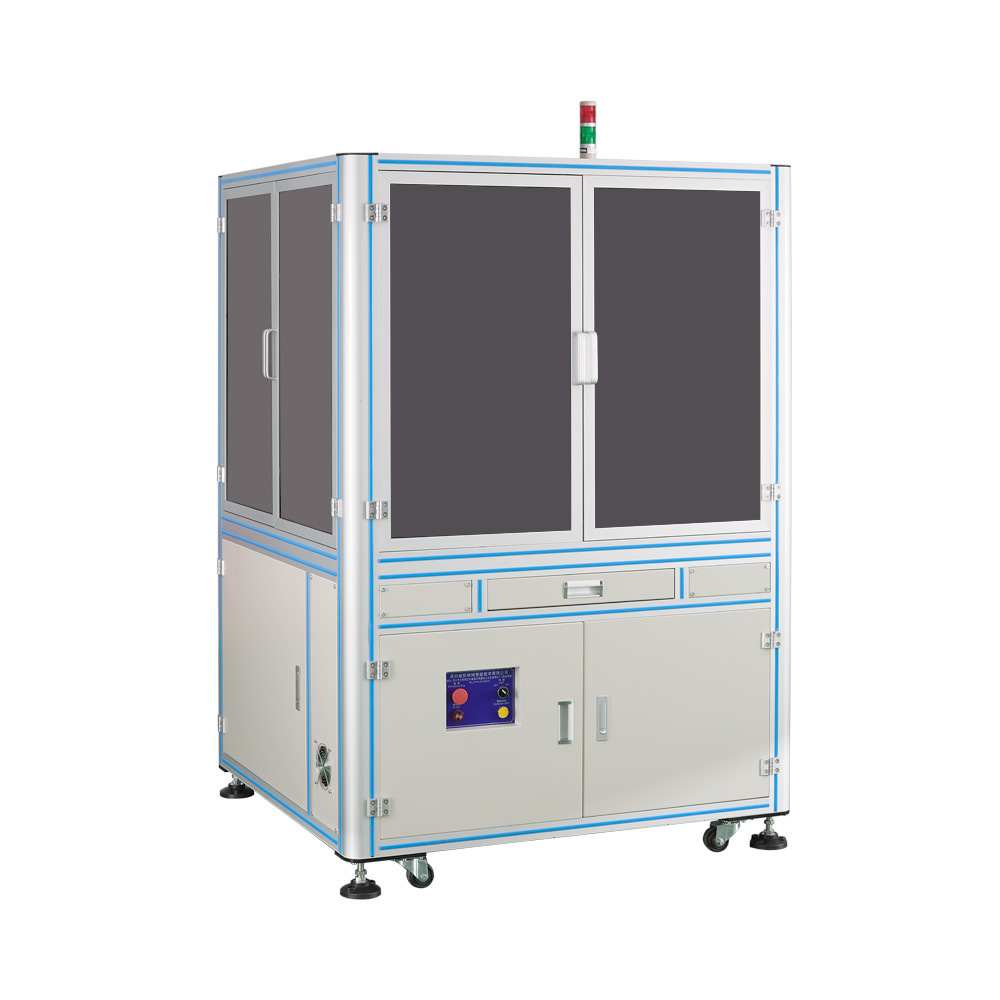
So, how does it all work? Well, Aoi Automatic Optical Inspection employs high-resolution cameras that capture images of components and assemblies. These images are then analyzed by advanced software that compares them against predefined criteria. If something looks off—be it a missing component or a faulty solder joint—the system flags it for review. Talk about a sharp eye!
A Brief History of Aoi Automatic Optical Inspection
It's interesting to note that the roots of Aoi Automatic Optical Inspection can be traced back to the early days of electronics manufacturing. Originally, inspection was a labor-intensive process that relied heavily on human inspectors. However, as technology progressed, the need for speed and accuracy became paramount. Over the years, Aoi systems have evolved, becoming more sophisticated and integral to the manufacturing process.
Benefits of Aoi Automatic Optical Inspection
Let's cut to the chase—what's in it for manufacturers? Here are some standout benefits:
- Increased Efficiency: With Aoi Automatic Optical Inspection, manufacturers can inspect hundreds of items in mere minutes, dramatically reducing production time.
- Cost Savings: By catching defects early in the production line, companies can save on costly rework and returns.
- Enhanced Quality Control: Automated inspections are less prone to human error, ensuring a higher standard of quality.
Real-World Applications
Alright, let's dive into the nitty-gritty. Aoi Automatic Optical Inspection isn't just a buzzword; it's actively used in various industries. From electronics to automotive, companies leverage this technology to maintain a competitive edge. For instance, electronics manufacturers use Aoi systems to inspect circuit boards, ensuring that every connection is solid and every component is in place.
Challenges and Considerations
Of course, no technology is without its hiccups. While Aoi Automatic Optical Inspection is incredibly effective, there are challenges. For starters, the initial investment in equipment can be steep. Additionally, Aoi systems require regular maintenance and calibration to ensure they perform at their best. It's also worth mentioning that while these systems can catch defects, they can't replace the nuanced judgment of an experienced inspector entirely.
The Future of Aoi Automatic Optical Inspection
Looking ahead, the future of Aoi Automatic Optical Inspection is bright. With continuous advancements in AI and machine learning, we can expect even more sophisticated systems that learn and adapt over time. Imagine a system that not only detects defects but also predicts potential issues based on historical data. Now that's revolutionary!
Conclusion: Embracing Innovation
In conclusion, Aoi Automatic Optical Inspection is more than just a fancy tool; it's a vital component of modern manufacturing. By embracing this technology, companies can streamline their processes, enhance quality control, and ultimately, boost their bottom line. So, whether you're a manufacturer or just someone curious about industry innovations, keep an eye on Aoi—it's definitely here to stay!
Contact Us
Ms. Lu: +86-18128878019
Phone: +86 0755-23199519
ADD : Room 302, 402, Building A, Xinpitou Industrial Zone, Kanghong Road, Xinqiang Community, Xinhu Street, Guangming New District, Shenzhen
Online Message
Our team will get in touch with you shortly, so keep an eye on your inbox




