

Unlocking the Power of CCD Visual Inspection in Real-World Applications
2025-04-16


The Magic of CCD Visual Inspection
In today’s fast-paced industrial world, ensuring quality is paramount. Enter CCD Visual Inspection, a game-changing technology that enhances the accuracy of quality control processes across various sectors. But what exactly is it, and how does it work? Let’s dive in!
What is CCD Visual Inspection?
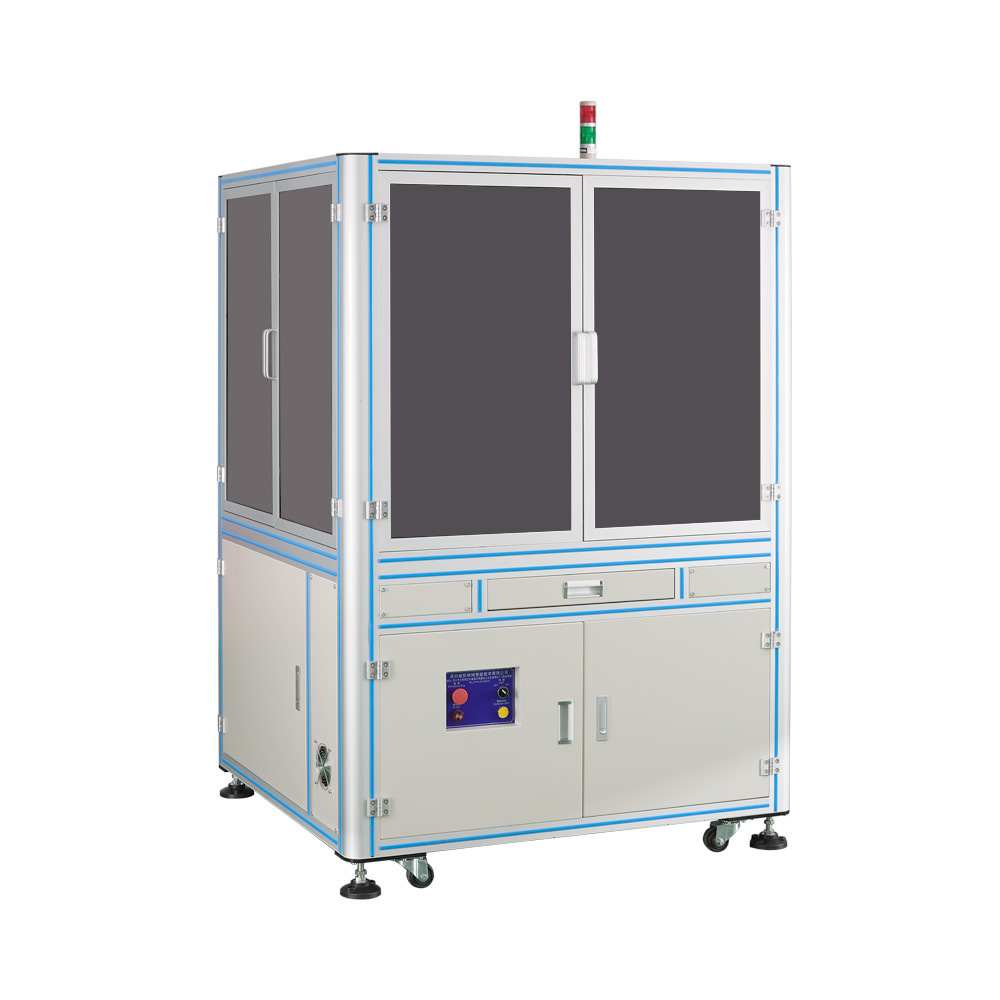
At its core, CCD Visual Inspection employs Charge-Coupled Device (CCD) cameras to capture high-resolution images of products or components. These images are then analyzed using sophisticated software to detect defects or deviations from the desired specifications. It’s like having a pair of superhuman eyes that never tire!
Why CCD Visual Inspection is a Game Changer
Let’s face it: traditional inspection methods can be hit or miss. They often depend on human judgment, which can lead to inconsistencies. Here’s where CCD Visual Inspection shines:
- Precision: With pixel-perfect accuracy, CCD systems can spot even the tiniest flaws that might go unnoticed by the human eye.
- Speed: Automated inspections are significantly faster, allowing for high throughput in production lines.
- Cost-Effectiveness: By reducing waste and rework, companies can save a pretty penny in the long run.
Applications in Various Industries
From manufacturing to food processing, the applications of CCD Visual Inspection are diverse. Let’s take a closer look at some key sectors:
1. Electronics Manufacturing
In the world of electronics, precision is everything. Whether it’s inspecting circuit boards or checking solder joints, CCD Visual Inspection helps ensure that every component meets stringent quality standards. It’s essential for maintaining the reliability of devices we use every day!
2. Automotive Industry
Automakers rely heavily on CCD Visual Inspection to maintain safety and performance standards. From body parts to engine components, this technology helps identify defects before they become costly problems. It’s a critical cog in the automotive quality assurance wheel!
3. Food and Beverage
Quality control in food processing is vital for public health. CCD Visual Inspection can detect foreign objects, packaging flaws, and even ensure the right labeling. This not only protects consumers but also bolsters brand reputation.
4. Pharmaceuticals
In the pharmaceutical industry, every pill counts. CCD Visual Inspection is used to examine packaging integrity and verify labeling accuracy, ensuring that patients receive the correct medication without any contamination.
The Future of CCD Visual Inspection
With advancements in AI and machine learning, the capabilities of CCD Visual Inspection are set to skyrocket. Imagine systems that not only detect defects but also learn from them, continuously improving inspection processes. Wow, right?
A Bright Outlook
As industries continue to embrace automation, the role of CCD Visual Inspection will only grow. Companies that adopt this technology are likely to stay ahead of the curve, ensuring superior quality and customer satisfaction.
Final Thoughts
In a nutshell, CCD Visual Inspection is revolutionizing quality control across various applications. It’s a win-win for businesses and consumers alike, enhancing productivity while ensuring the highest standards. So, if you’re in an industry that values quality, it’s high time to consider integrating this technology into your processes!
Contact Us
Ms. Lu: +86-18128878019
Phone: +86 0755-23199519
ADD : Room 302, 402, Building A, Xinpitou Industrial Zone, Kanghong Road, Xinqiang Community, Xinhu Street, Guangming New District, Shenzhen
Online Message
Our team will get in touch with you shortly, so keep an eye on your inbox




