

Unlocking the Secrets of Ai Visual Inspection: Your Most Common Questions Answered
2025-04-08


What is Ai Visual Inspection?
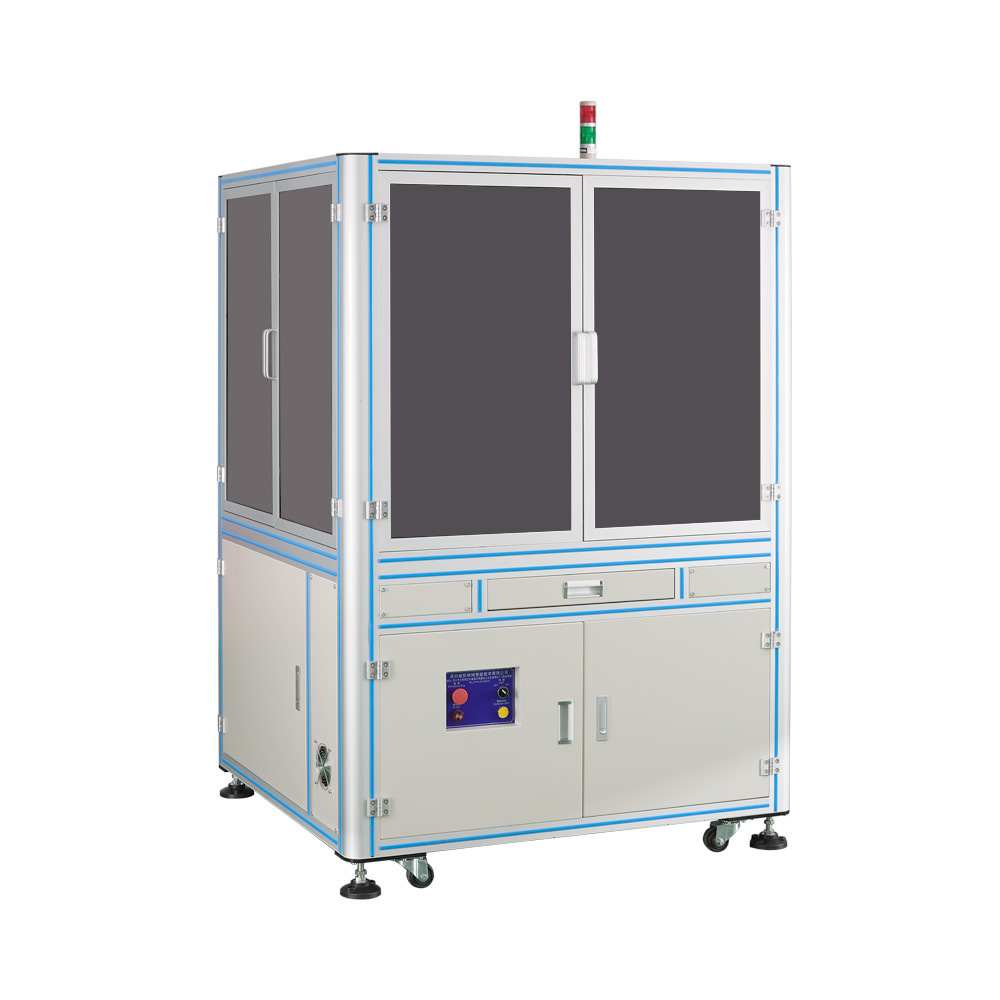
Alright, let’s kick things off with the basics! Ai Visual Inspection refers to the use of artificial intelligence technologies to automate the process of inspecting products, components, or materials visually. Imagine a super-smart pair of eyes that never blinks and can catch mistakes faster than a hawk spots its prey. That’s essentially what Ai Visual Inspection does.
Why Is Ai Visual Inspection Important?
Now, you might be wondering, “Why should I care?” Well, let me tell you—this technology is a game-changer! It enhances quality control, reduces human error, and boosts efficiency. In industries like manufacturing, where precision is key, the stakes are high. One tiny flaw can lead to catastrophic results. With Ai Visual Inspection, companies can spot defects before they escalate, saving time and money!
How Does It Work?
Great question! So, how does this high-tech wizardry work? Essentially, Ai Visual Inspection systems are trained using machine learning algorithms. They analyze thousands of images of the product, learning to identify what’s normal and what’s not. It’s like teaching a child—show them enough examples, and they’ll learn to recognize patterns in no time. Once trained, these systems can analyze new images in seconds, flagging any anomalies.
Common Misconceptions
Let’s clear the air. There are a few myths floating around about Ai Visual Inspection that can lead to misunderstandings:
- Myth 1: It replaces all human workers. Not true! Instead, it complements human efforts, allowing workers to focus on more complex tasks.
- Myth 2: It’s only for large corporations. Wrong again! Small and medium-sized enterprises can also reap the benefits.
- Myth 3: It’s too expensive to implement. The reality is that the long-term savings often outweigh the initial costs.
Real-World Applications
Let’s not beat around the bush—Ai Visual Inspection is already making waves in various sectors. Here are a few examples:
- Manufacturing: Detecting defects in products before they hit the market.
- Food Industry: Ensuring food safety by inspecting packaging and contents.
- Pharmaceuticals: Verifying labels and ensuring the integrity of products.
Challenges and Limitations
Hey, no technology is perfect, right? While Ai Visual Inspection has numerous advantages, it’s essential to be aware of its limitations:
- Training Data: The effectiveness of the system depends on the quality and quantity of training data.
- Complexity: Some products may be too complex for current Ai systems to analyze effectively.
- Overreliance: Businesses should avoid becoming overly dependent on technology and maintain human oversight.
Future of Ai Visual Inspection
Looking ahead, the future seems bright for Ai Visual Inspection. With advancements in technology, we can expect even more sophisticated systems capable of tackling a broader range of tasks. As industries adopt these technologies, we might see a significant reduction in operational costs and an increase in product quality.
Conclusion
In a nutshell, Ai Visual Inspection is revolutionizing how we approach quality control. Its ability to enhance accuracy and efficiency is undeniable. As we continue to innovate, who knows what the future holds? Whether you’re a business owner or just a tech enthusiast, keeping an eye on this technology is definitely worth your while!
Contact Us
Ms. Lu: +86-18128878019
Phone: +86 0755-23199519
ADD : Room 302, 402, Building A, Xinpitou Industrial Zone, Kanghong Road, Xinqiang Community, Xinhu Street, Guangming New District, Shenzhen
Online Message
Our team will get in touch with you shortly, so keep an eye on your inbox




