

Unveiling the Magic of CCD Visual Inspection: A Deep Dive
2025-03-24


Understanding CCD Visual Inspection
Have you ever wondered how manufacturers ensure that every single product meets quality standards? Enter CCD Visual Inspection, a technology that’s revolutionizing quality control! In simple terms, it’s a method that uses Charge-Coupled Device (CCD) cameras to inspect products for defects. But what makes it so special? Let’s dive into the nitty-gritty of this fascinating technique!
How Does It Work?
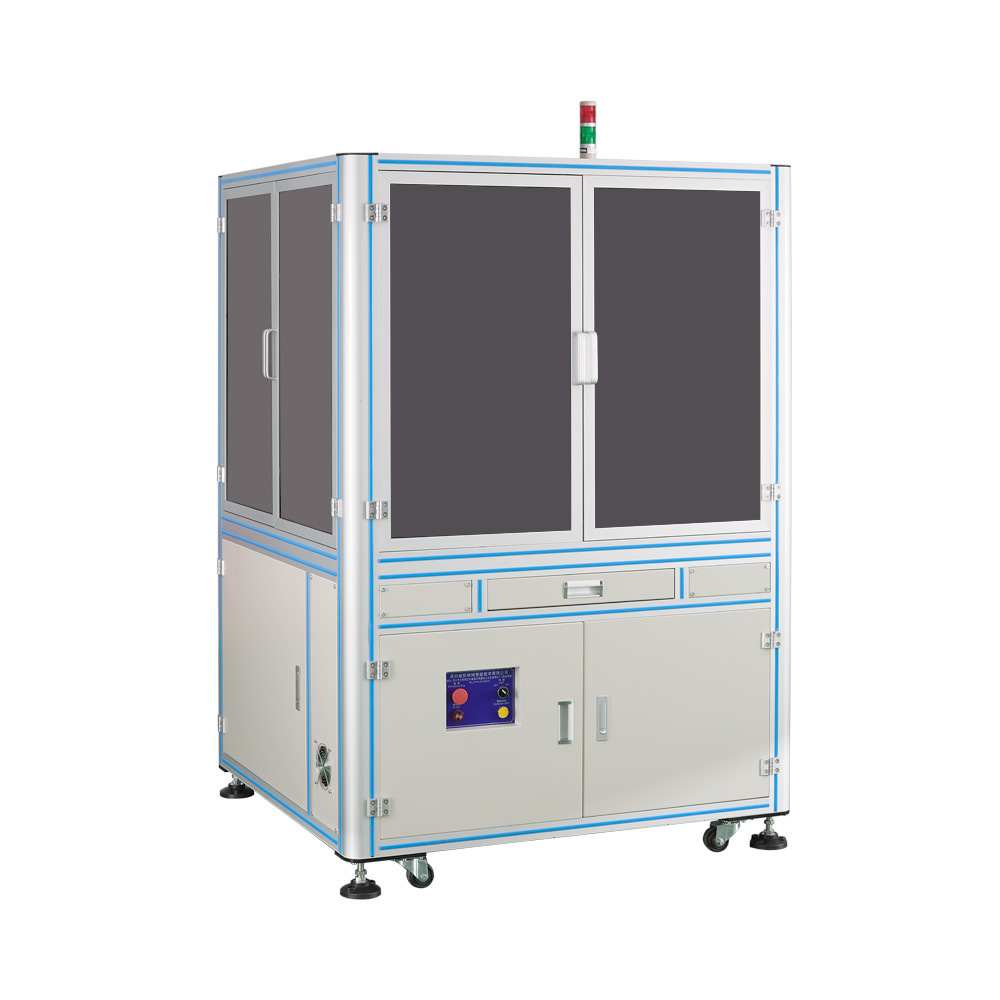
Alright, let’s break it down. A CCD camera captures images of products as they pass through a production line. These images are then analyzed using sophisticated software that can detect even the tiniest of flaws. Talk about having an eagle eye! This technology can spot issues like scratches, misalignments, and even color inconsistencies. You might say it’s like having a quality inspector on steroids!
Why Choose CCD Visual Inspection?
So, why should industries invest in CCD Visual Inspection? Well, the benefits are bountiful! Here are a few:
- Speed: Unlike human inspectors, CCD systems can work at lightning speed, analyzing hundreds of products per minute.
- Accuracy: Forget about human error; these systems boast an accuracy rate that’s hard to beat!
- Cost-Effective: While the initial investment might seem steep, the long-term savings on labor and error rectification are significant.
Real-World Applications
From automotive to electronics, CCD Visual Inspection is making waves across various sectors. For instance, in the automotive industry, it ensures that every component, from headlights to brake pads, meets safety regulations. Meanwhile, in the electronics sector, it helps in detecting defects in circuit boards that could lead to catastrophic failures. It’s a lifesaver, really!
Challenges and Considerations
Now, hold on a second! While CCD Visual Inspection is indeed a game-changer, it’s not without its challenges. For one, the initial setup can be complex and requires a bit of know-how. Plus, varying lighting conditions can affect the image quality, which might lead to missed defects. But don’t fret! With proper calibration and training, these hiccups can be smoothed out.
The Future of Quality Control
Looking ahead, the future of CCD Visual Inspection looks bright! With advancements in AI and machine learning, these systems are becoming even smarter. Imagine a world where machines not only detect defects but also predict them before they happen! Sounds like science fiction, right? But it’s just around the corner!
Conclusion
In a nutshell, CCD Visual Inspection is an invaluable tool for quality assurance in today’s fast-paced manufacturing landscape. With its speed, accuracy, and cost-effectiveness, it’s no wonder that industries are embracing this technology. So, if you’re in the manufacturing game, it might be time to consider jumping on the CCD bandwagon!
Contact Us
Ms. Lu: +86-18128878019
Phone: +86 0755-23199519
ADD : Room 302, 402, Building A, Xinpitou Industrial Zone, Kanghong Road, Xinqiang Community, Xinhu Street, Guangming New District, Shenzhen
Online Message
Our team will get in touch with you shortly, so keep an eye on your inbox




