

Unveiling the Magic of Screening Machines: How They Work
2025-01-02


Unveiling the Magic of Screening Machines: How They Work
Have you ever wondered how industries manage to separate materials with such precision? Well, let me introduce you to the unsung hero of the manufacturing world: the Screening Machine. These machines are essential in various sectors, ensuring that materials are sorted effectively and efficiently. But just how do they work their magic? Let’s dive in!
What Exactly is a Screening Machine?
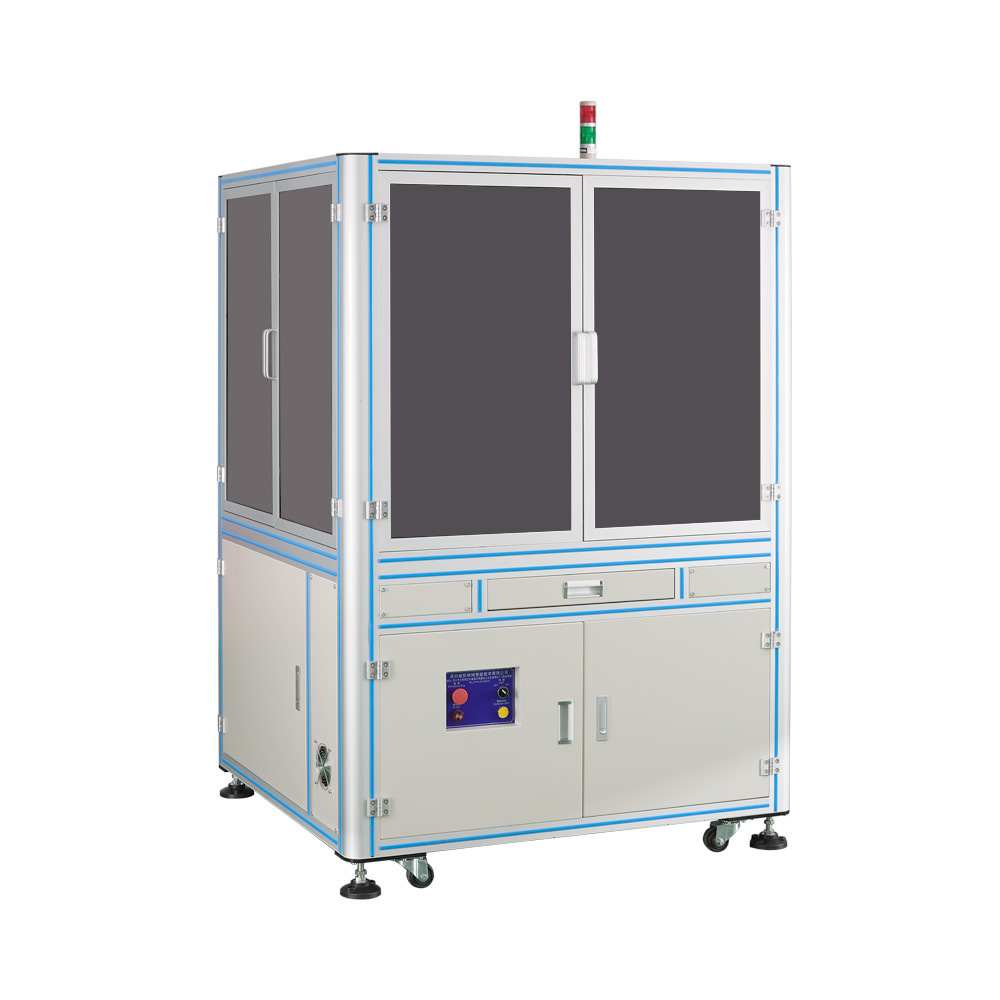
In simple terms, a Screening Machine is a device used to separate particles of different sizes from a mixture. You can think of it as a giant sieve that sorts things out based on size! From mining to pharmaceuticals, these machines are everywhere, playing a crucial role in the production process.
The Inner Workings: How Does It All Come Together?
Alright, buckle up! Here’s where it gets interesting. The Screening Machine operates on a few fundamental principles. At its core, it uses a screen or mesh to filter out materials. When a mixture is fed into the machine, gravity does its thing, and the particles begin their journey through the screen.
Now, picture this: larger particles are simply too big to pass through the screen, so they remain on top. Meanwhile, smaller particles fall through, getting separated from their larger counterparts. It’s like a game of hide and seek—only the small ones find the exit!
Types of Screening Machines
Now, you might be asking, "Are all screening machines the same?" Not quite. There are several types, each with its unique flair:
- Vibrating Screens: These bad boys use vibration to move materials across the screen, helping to dislodge stuck particles.
- Rotary Screens: Think of these as the gentle giants. They rotate, allowing materials to tumble and separate without causing damage.
- Static Screens: If you prefer simplicity, static screens rely on gravity alone to do the job without any moving parts.
Each type has its pros and cons, so industries choose based on the materials they’re working with and the desired efficiency!
Applications Galore!
Screening machines are not just a one-trick pony. They find their place in a multitude of industries:
- Mining: Separating valuable minerals from ore.
- Construction: Sifting sand and gravel to ensure quality.
- Food Processing: Cleaning grains and sorting fruits and vegetables.
- Chemicals: Ensuring the right consistency in powdered substances.
In each case, the screening machine’s ability to sort materials is a game-changer, saving time and resources while enhancing productivity.
The Benefits of Using Screening Machines
Let’s face it, who doesn’t love a good list of benefits? Here’s why screening machines are worth their weight in gold:
- Efficiency: They speed up the separation process, allowing for higher production rates.
- Quality Control: By removing unwanted materials, they help maintain product integrity.
- Cost-Effective: Reducing waste means more savings for businesses.
- Versatility: They can handle a variety of materials, from coarse rocks to fine powders.
Common Challenges and Solutions
But hold your horses! Like any machinery, screening machines come with their own set of challenges. For instance, material buildup on the screen can hamper performance. However, regular maintenance and the right choice of screen mesh can keep these issues at bay.
Final Thoughts
So, there you have it! The fascinating world of Screening Machines is nothing short of amazing. They may seem like simple devices, but their impact on various industries is profound. Understanding their workings not only sheds light on their importance but also highlights the ingenuity behind modern manufacturing processes.
Next time you see a screening machine in action, remember the intricate dance of particles and the technology that keeps industries running smoothly. Who knew sorting materials could be so captivating?
Contact Us
Ms. Lu: +86-18128878019
Phone: +86 0755-23199519
ADD : Room 302, 402, Building A, Xinpitou Industrial Zone, Kanghong Road, Xinqiang Community, Xinhu Street, Guangming New District, Shenzhen
Online Message
Our team will get in touch with you shortly, so keep an eye on your inbox




