

Why CCD Optical Image Screening Machines Are Game Changers in Manufacturing
2025-11-15


Why CCD Optical Image Screening Machines Are Game Changers in Manufacturing
Introduction to CCD Optical Image Screening Machines
In today’s competitive manufacturing landscape, companies are continuously seeking innovative solutions to enhance quality control and operational efficiency. CCD (Charge-Coupled Device) optical image screening machines are at the forefront of this revolution. These advanced technological tools are designed to improve the accuracy of inspection processes, ensuring that only products meeting stringent quality standards proceed through the production line.
The application of CCD technology in image screening has redefined manufacturing processes, enabling businesses to identify defects at a granular level. This article delves into the functionalities, advantages, and transformative impact of CCD optical image screening machines on the manufacturing industry.
Understanding CCD Technology
What is CCD Technology?
CCD technology involves the use of an array of light-sensitive elements, or pixels, that convert light into electronic signals. This technology is widely used in cameras and imaging devices due to its high resolution and sensitivity to light. In manufacturing, CCD optical image screening machines utilize this technology to capture detailed images of products, which are then analyzed for defects or irregularities.
How CCD Optical Image Screening Machines Work
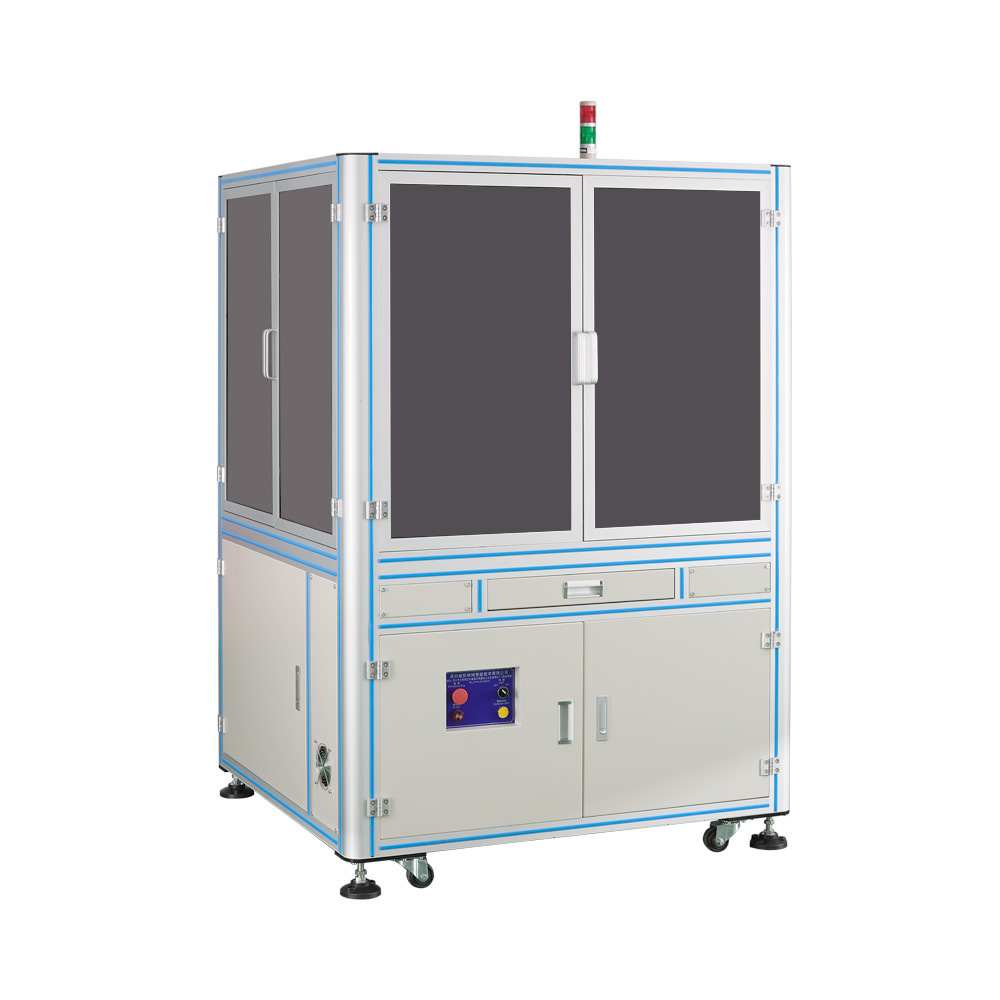
CCD optical image screening machines function by illuminating products with light and capturing the reflected images through the CCD sensor. The machine processes these images using sophisticated algorithms that identify anomalies, such as color discrepancies, surface blemishes, and dimensional inaccuracies. This automated inspection process is faster and more reliable than traditional manual inspection methods, significantly reducing human error and increasing throughput.
The Importance of Image Screening in Manufacturing
Quality Control and Assurance
Quality control is paramount in manufacturing. Any defect in a product can lead to customer dissatisfaction and increased costs due to returns or rework. CCD optical image screening machines enhance quality assurance by providing real-time feedback on product quality, allowing manufacturers to address issues immediately.
Cost Efficiency
Implementing CCD optical image screening machines can lead to substantial cost savings. By automating the inspection process, manufacturers can reduce labor costs, decrease the number of defective products reaching the market, and minimize waste. Over time, these machines provide a significant return on investment, making them a valuable asset in any manufacturing operation.
Applications of CCD Optical Image Screening Machines
In Electronics Manufacturing
In the electronics sector, precision is critical. CCD optical image screening machines are used to inspect circuit boards, ensuring that components are correctly placed and soldered. Their ability to detect minute defects makes them indispensable in maintaining high quality in electronics manufacturing.
In Food and Beverage Industry
Quality control in the food and beverage industry is crucial for safety and compliance. CCD optical image screening machines can scrutinize packaging for integrity, label accuracy, and contamination detection, ensuring that only safe products reach consumers.
In Automotive Manufacturing
The automotive industry relies heavily on CCD optical image screening machines to inspect various components, from body panels to intricate engine parts. The precision offered by CCD technology is vital for meeting the stringent safety standards required in automotive production.
Advantages of Using CCD Optical Image Screening Machines
High Accuracy and Precision
One of the primary benefits of CCD optical image screening machines is their unparalleled accuracy. With the capability to detect even the slightest defects, these machines empower manufacturers to maintain high standards of quality.
Speed and Efficiency
Speed is often a critical factor in manufacturing. CCD optical image screening machines operate at high speeds, allowing for rapid inspections without compromising accuracy. This increased efficiency translates to shorter production times and higher output.
Ease of Integration
Modern CCD optical image screening machines can easily integrate into existing production lines. Their flexibility allows manufacturers to retrofit these machines into various processes, enhancing capabilities without extensive overhauls.
The Future of CCD Optical Image Screening Machines in Manufacturing
Advancements in Technology
As technology evolves, the capabilities of CCD optical image screening machines will only improve. Future innovations may include enhanced imaging algorithms, AI integration for more sophisticated analysis, and increased automation in the inspection process. These advancements will further solidify the role of CCD technology in manufacturing.
The Role of Industry 4.0
The transition to Industry 4.0 emphasizes smart manufacturing and the use of connected technologies. CCD optical image screening machines will play a significant role in this transition, providing real-time data analytics and feedback that are critical for optimizing production processes.
Challenges and Considerations
Initial Investment Costs
While the long-term benefits of CCD optical image screening machines are substantial, the initial investment can be a barrier for some manufacturers. Understanding the total cost of ownership and potential ROI is crucial for companies considering these machines.
Training and Expertise
The successful implementation of CCD optical image screening machines requires adequate training for staff. Ensuring that operators are proficient in using these machines and interpreting the data they generate is essential for maximizing their effectiveness.
Frequently Asked Questions
1. What are CCD optical image screening machines used for?
CCD optical image screening machines are primarily used for quality control and inspection processes in manufacturing, helping to identify defects in products.
2. How do CCD optical image screening machines improve efficiency?
These machines enhance efficiency by automating the inspection process, allowing for faster and more accurate quality checks compared to manual methods.
3. In which industries are CCD optical image screening machines commonly used?
They are commonly used in electronics, food and beverage, automotive, and many other industries where quality assurance is critical.
4. What are the advantages of using CCD technology in manufacturing?
Advantages include high accuracy, speed, ease of integration, and the ability to significantly reduce costs associated with defects and rework.
5. What is the future of CCD optical image screening machines in manufacturing?
The future includes advancements in technology, the integration of AI, and a critical role in the Industry 4.0 landscape, enabling even smarter manufacturing processes.
Conclusion
In conclusion, CCD optical image screening machines represent a significant advancement in manufacturing technology. Their ability to enhance quality control processes, improve efficiency, and reduce costs makes them invaluable in today’s competitive landscape. As technology continues to evolve, the role of these machines will only become more prominent, driving innovations in manufacturing that lead to higher standards of quality and productivity. Investing in CCD optical image screening machines is not just a step towards modernization; it is a strategic move that can define the future of manufacturing success.
Contact Us
Ms. Lu: +86-18128878019
Phone: +86 0755-23199519
ADD : Room 302, 402, Building A, Xinpitou Industrial Zone, Kanghong Road, Xinqiang Community, Xinhu Street, Guangming New District, Shenzhen
Online Message
Our team will get in touch with you shortly, so keep an eye on your inbox




