

Revolutionizing Quality Control with Ai Visual Inspection
2025-04-09


Introduction to Ai Visual Inspection
In the bustling world of manufacturing and quality control, Ai Visual Inspection has emerged as a game changer. Imagine a process where machinery can detect flaws faster than the blink of an eye. Sounds like science fiction, right? Well, buckle up because we’re diving into how artificial intelligence is reshaping inspection processes across various industries!
Why Ai Visual Inspection Matters
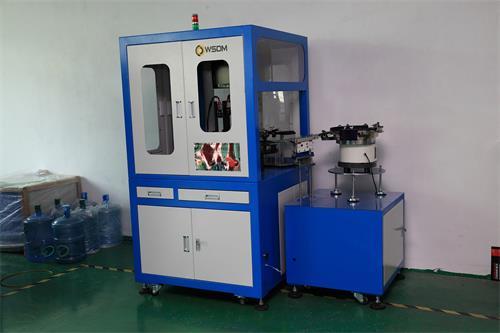
Let's face it: human inspectors are brilliant, but they have their limitations. Fatigue, monotony, and the occasional oversight can lead to costly mistakes. That’s where Ai Visual Inspection comes in, leveraging sophisticated algorithms and machine learning to ensure every product meets the highest standards. No more missed defects or inconsistent evaluations—it’s all about precision, baby!
Case Study: Automotive Industry
Take a gander at the automotive industry, for instance. Companies like Ford and BMW have integrated Ai Visual Inspection systems in their assembly lines. These systems use high-resolution cameras and advanced image processing to identify defects in car parts, from paint imperfections to structural flaws. Imagine a robot arm giving your future car a thorough inspection, ensuring that you drive off in a vehicle that’s not just sleek but also safe. It’s like having a vigilant guardian overseeing quality!
Case Study: Electronics Manufacturing
Now, let’s shift gears to the world of electronics. Companies producing smartphones and laptops are notorious for their quality control challenges. With the help of Ai Visual Inspection, manufacturers can now inspect circuit boards with laser-like accuracy. These systems can detect even the tiniest anomalies, reducing the likelihood of defects slipping through the cracks. It’s like having a hawk’s eye on every tiny component!
Benefits Beyond the Bottom Line
But hold on just a minute! The advantages of Ai Visual Inspection extend far beyond mere defect detection. For starters, it significantly speeds up the inspection process. Robots don’t need coffee breaks, after all! This efficiency not only reduces costs but also accelerates production timelines. Plus, with such technology in place, companies can confidently scale their operations without compromising quality. Talk about a win-win!
Challenges on the Horizon
Of course, it’s not all sunshine and rainbows. Integrating Ai Visual Inspection into existing systems can be tricky. Training the AI to recognize defects accurately requires a substantial amount of data. Moreover, companies must ensure they have the necessary infrastructure to support these advanced technologies. But hey, every silver lining has its cloud, right?
The Road Ahead: Future Trends
So, what’s next for Ai Visual Inspection? As technology evolves, so too will its applications. Expect to see even more industries jumping on the bandwagon—think food production, pharmaceuticals, and beyond. With AI continuing to learn and improve, the potential for enhanced inspection capabilities is virtually limitless. It’s an exciting time to be involved in quality control!
Conclusion: Embrace the Change
In conclusion, the transformative power of Ai Visual Inspection cannot be overstated. From automotive giants to electronics manufacturers, industries are reaping the rewards of this cutting-edge technology. So, if you’re still on the fence about embracing AI in your processes, now’s the time to jump in headfirst! After all, in the world of manufacturing, staying ahead of the curve is key to success.
Contact Us
Ms. Lu: +86-18128878019
Phone: +86 0755-23199519
ADD : Room 302, 402, Building A, Xinpitou Industrial Zone, Kanghong Road, Xinqiang Community, Xinhu Street, Guangming New District, Shenzhen
Online Message
Our team will get in touch with you shortly, so keep an eye on your inbox




