

Innovative Applications of Optical Inspection Machines Across Diverse Industries
2026-11-20


Innovative Applications of Optical Inspection Machines Across Industries
Table of Contents
- 1. Introduction to Optical Inspection Machines
- 2. The Importance of Optical Inspection in Modern Industry
- 3. Optical Inspection in Manufacturing
- 4. Revolutionary Use in Healthcare
- 5. Optical Inspection in Electronics
- 6. The Role of Optical Inspection in the Automotive Industry
- 7. Ensuring Food Safety through Optical Inspection
- 8. Future Trends in Optical Inspection Technology
- 9. Conclusion
- 10. Frequently Asked Questions
1. Introduction to Optical Inspection Machines
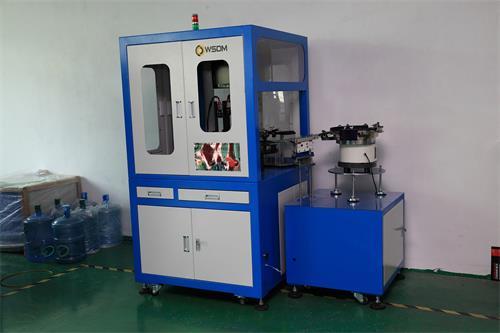
Optical inspection machines have emerged as transformative tools that utilize advanced imaging technology to assess the quality of products in real-time. These machines leverage sophisticated optical systems combined with machine learning algorithms to ensure precision in inspection processes. Their diverse applications span a multitude of industries, from manufacturing to healthcare, fundamentally changing how businesses operate.
Optical inspection machines are designed to detect defects, measure dimensions, and analyze surface conditions with unparalleled accuracy. By minimizing human error and expediting the inspection process, these machines are crucial in maintaining high-quality standards and ensuring product safety.
2. The Importance of Optical Inspection in Modern Industry
In an era where quality assurance is paramount, optical inspection machines play a vital role in upholding product integrity. Their ability to provide fast, reliable, and non-destructive testing makes them indispensable in various sectors. The following points highlight the importance of these machines:
- **Enhanced Quality Control**: Optical inspection allows for early detection of defects, reducing waste and ensuring that only products meeting industry standards reach consumers.
- **Increased Efficiency**: Automated inspection processes significantly reduce the time required for quality checks, enabling faster production cycles without compromising quality.
- **Cost Savings**: By identifying issues early in the production process, optical inspection machines help companies save on potential rework and recalls.
- **Data-Driven Insights**: These machines collect valuable data that can be analyzed to improve manufacturing processes and product design.
3. Optical Inspection in Manufacturing
The manufacturing sector is one of the primary beneficiaries of optical inspection technology. Here, optical inspection machines are utilized for various purposes, including:
3.1 Quality Assurance in Assembly Lines
In assembly lines, optical inspection systems are deployed to verify that components are assembled correctly. They can detect misalignments, missing parts, and other assembly errors that could compromise product functionality.
3.2 Surface Inspection
Optical inspection is crucial for detecting surface defects, such as scratches, dents, or discolorations. This is particularly significant in industries where aesthetics are essential, like consumer electronics and automotive manufacturing.
3.3 Automated Dimension Measurement
Precision is vital in manufacturing, and optical inspection machines can measure dimensions with extreme accuracy. This capability ensures that products meet specifications and operate as intended.
4. Revolutionary Use in Healthcare
Optical inspection machines have also made significant inroads into the healthcare industry, providing vital support in medical device manufacturing and quality assurance.
4.1 Inspection of Medical Devices
In the production of medical devices, optical inspection equipment ensures that each device complies with strict safety and efficacy standards. For example, the inspection of surgical instruments can identify defects that might pose risks to patients.
4.2 Imaging Technologies in Diagnostics
Beyond manufacturing, optical systems are used in diagnostic applications, such as endoscopy and imaging techniques, providing high-resolution visuals that aid in accurate diagnoses.
4.3 Pharmaceutical Applications
In pharmaceuticals, optical inspection can be used to examine packaging for proper labeling, tamper-evident seals, and expiration dates. This is critical to ensuring patient safety and regulatory compliance.
5. Optical Inspection in Electronics
The electronics industry relies heavily on optical inspection machines for quality assurance, particularly due to the complexity and miniaturization of components.
5.1 PCB Inspection
Printed circuit boards (PCBs) are integral to electronic devices, and optical inspection machines are employed to detect solder defects, component misalignment, and other potential issues that could affect functionality.
5.2 Display Quality Control
Manufacturers of screens and displays utilize optical inspection to check for dead pixels, color accuracy, and surface defects, ensuring that only the highest quality displays reach consumers.
5.3 Assembly Verification
In the assembly of electronic components, optical machines verify that components are placed correctly and are functioning as intended, thereby improving overall product reliability.
6. The Role of Optical Inspection in the Automotive Industry
The automotive sector has integrated optical inspection machines into its production lines to enhance vehicle safety and performance.
6.1 Component Inspection
Optical inspection is employed to evaluate critical components such as brakes, engines, and electrical systems. By ensuring these components meet strict safety standards, manufacturers can prevent costly recalls and enhance consumer trust.
6.2 Paint and Finish Quality
In automotive manufacturing, the aesthetic quality of paint finishes is crucial. Optical machines assess the quality of paint applications, identifying flaws that could lead to customer dissatisfaction.
6.3 Assembly Line Optimization
Optical inspection systems are used to monitor assembly processes, ensuring that each part is correctly installed and functioning, thereby reducing the likelihood of defects in the final product.
7. Ensuring Food Safety through Optical Inspection
The food industry increasingly relies on optical inspection machines to maintain safety and quality standards, ensuring that products are safe for consumption.
7.1 Contaminant Detection
Optical inspection systems can identify foreign objects, such as metal or plastic, in food products during processing, minimizing the risk of contamination and ensuring consumer safety.
7.2 Quality Control of Packaging
In food packaging, optical machines inspect for proper seals, labels, and expiration dates, playing a crucial role in maintaining product integrity and compliance with regulations.
7.3 Freshness Monitoring
Some optical inspection technologies can assess the quality of fruits and vegetables, helping to determine freshness and ripeness, thus supporting better inventory management for retailers.
8. Future Trends in Optical Inspection Technology
As technology continues to advance, the future of optical inspection machines looks promising. Here are some trends to watch:
8.1 Integration of Artificial Intelligence
The incorporation of AI and machine learning algorithms will enhance the capabilities of optical inspection machines, enabling them to learn from past inspections and improve accuracy over time.
8.2 Miniaturization and Portability
The trend toward miniaturization will lead to more portable optical inspection solutions, allowing for on-site inspections without sacrificing performance.
8.3 Increased Automation
With the rise of Industry 4.0, we can expect even greater automation in inspection processes, integrating optical inspection machines with other automated systems to create seamless workflows.
9. Conclusion
Optical inspection machines have revolutionized quality control across various industries. Their ability to provide accurate, fast, and non-destructive testing has established them as essential tools for modern manufacturing, healthcare, electronics, automotive production, and food safety. As technology evolves, the applications for optical inspection are likely to expand, offering even more innovative solutions to enhance product quality and operational efficiency. Investing in optical inspection technology is a strategic move for businesses looking to maintain competitive advantages in a rapidly changing marketplace.
10. Frequently Asked Questions
1. What types of industries use optical inspection machines?
Optical inspection machines are used in manufacturing, healthcare, electronics, automotive, and food industries for quality control and defect detection.
2. How do optical inspection machines work?
They utilize advanced imaging technology and algorithms to analyze products for defects, dimensions, and surface conditions in real-time.
3. What are the benefits of using optical inspection machines?
Benefits include enhanced quality control, increased efficiency, cost savings, and the ability to gather data-driven insights for process improvement.
4. Can optical inspection machines be integrated with other technologies?
Yes, they can be integrated with artificial intelligence, robotics, and other automated systems to create streamlined workflows.
5. What are the future trends in optical inspection technology?
Future trends include the integration of AI, miniaturization of machines, and increased automation in inspection processes, leading to more efficient quality control systems.
Contact Us
Ms. Lu: +86-18128878019
Phone: +86 0755-23199519
ADD : Room 302, 402, Building A, Xinpitou Industrial Zone, Kanghong Road, Xinqiang Community, Xinhu Street, Guangming New District, Shenzhen
Online Message
Our team will get in touch with you shortly, so keep an eye on your inbox




