

Revolutionizing Quality Control with AI Visual Inspection
2025-12-08


Introduction: The New Age of Inspection
In the fast-paced world of manufacturing, keeping quality in check is no easy feat. Enter AI Visual Inspection—a game-changer that's transforming how industries assess product quality. With the rise of artificial intelligence, businesses are now equipped with tools that not only enhance efficiency but also ensure a level of precision that was once thought impossible.
What is AI Visual Inspection?
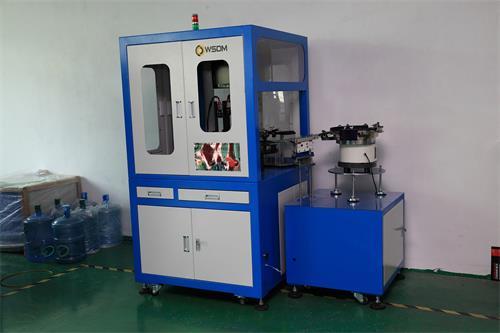
So, what exactly is AI Visual Inspection? In simple terms, it involves using machine learning algorithms and computer vision to analyze images and detect defects in products. Think of it as having a super-smart eye that never gets tired! This technology scans through countless images, identifying anomalies with remarkable speed and accuracy.
The Benefits of AI Visual Inspection
Why should manufacturers consider integrating AI Visual Inspection into their processes? Well, let's break it down:
- Speed and Efficiency: Traditional inspection methods can be time-consuming. AI can process images in a fraction of the time, allowing for quicker turnaround.
- Consistency: Unlike human inspectors, AI doesn't suffer from fatigue or distractions. This results in consistent quality checks every single time.
- Cost-Effectiveness: While the initial investment in AI technology might seem steep, the long-term savings on labor and wastage are significant.
How Does It Work?
AI Visual Inspection systems utilize deep learning models trained on vast datasets of images. These systems learn to recognize patterns associated with defects. Picture this: a model trained on thousands of images of a specific product learns the typical characteristics of a flawless item. When it encounters a new image, it can quickly identify whether it meets the quality standards or not. How cool is that?
Real-World Applications
AI Visual Inspection is already making waves across various sectors:
- Electronics: Detecting soldering defects on circuit boards.
- Automotive: Ensuring that every component meets safety standards.
- Food Industry: Checking for foreign objects and inconsistencies in packaging.
Challenges and Considerations
Of course, no technology is without its hurdles. One major challenge of AI Visual Inspection is the need for high-quality training data. If the dataset is biased or insufficient, the AI might not perform well in the real world. Moreover, companies need to ensure that their staff is trained to manage and maintain these systems effectively.
The Future Looks Bright
With advancements in machine learning and computer vision, the future of AI Visual Inspection is incredibly promising. As more companies embrace this technology, we can expect even greater improvements in quality assurance processes. It's not just about keeping the standards high; it's about pushing the limits of what's possible.
Conclusion: Embracing Change
In conclusion, adopting AI Visual Inspection isn't just a trend; it's a strategic move towards excellence in manufacturing. As industries continue to evolve, those who adapt will reap the benefits, ensuring their place at the forefront of innovation. So, why wait? Jump on the bandwagon and watch your quality control soar!
Contact Us
Ms. Lu: +86-18128878019
Phone: +86 0755-23199519
ADD : Room 302, 402, Building A, Xinpitou Industrial Zone, Kanghong Road, Xinqiang Community, Xinhu Street, Guangming New District, Shenzhen
Online Message
Our team will get in touch with you shortly, so keep an eye on your inbox




