

How CCD Indexing Plate Screening Machines Revolutionize Material Processing
2025-12-16


How CCD Indexing Plate Screening Machines Revolutionize Material Processing
Table of Contents
- 1. Introduction to CCD Indexing Plate Screening Machines
- 2. What is a CCD Indexing Plate Screening Machine?
- 3. How Does a CCD Indexing Plate Screening Machine Work?
- 4. Advantages of CCD Indexing Plate Screening Machines in Material Processing
- 5. Key Applications of CCD Indexing Plate Screening Machines
- 6. Choosing the Right CCD Indexing Plate Screening Machine
- 7. Maintenance and Care for CCD Indexing Plate Screening Machines
- 8. Future Trends in Material Processing Technology
- 9. Frequently Asked Questions (FAQs)
- 10. Conclusion
1. Introduction to CCD Indexing Plate Screening Machines
In the ever-evolving realm of material processing, **CCD Indexing Plate Screening Machines** have established themselves as indispensable tools. These sophisticated machines not only enhance efficiency but also significantly improve accuracy in sorting and classifying materials. As industries continue to strive for optimization, understanding how these machines operate becomes vital. This article delves into the intricacies of CCD indexing plate screening machines and their transformative role in material processing.
2. What is a CCD Indexing Plate Screening Machine?
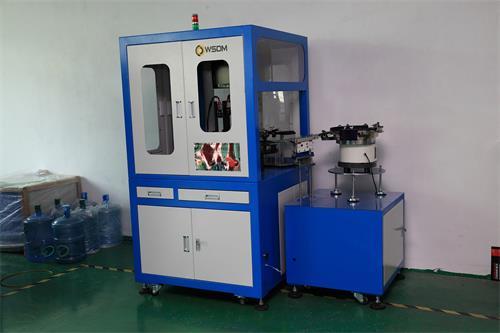
A **CCD Indexing Plate Screening Machine** is a specialized apparatus designed to separate different materials based on size and density. Utilizing a **charge-coupled device (CCD)**, these machines offer high-resolution imaging that allows for precise sorting. The indexing plate mechanism enables systematic movement, ensuring consistent and reliable material processing.
Key Features of CCD Indexing Plate Screening Machines
- **High Resolution**: The CCD technology offers exceptional clarity, facilitating accurate screening.
- **Automated Operation**: Automation reduces human error and increases processing speed.
- **Versatility**: These machines can handle various materials, from aggregates to recycled products.
3. How Does a CCD Indexing Plate Screening Machine Work?
The operation of a CCD indexing plate screening machine involves several critical steps:
Imaging and Detection
The process begins with the CCD capturing images of the materials on the screening surface. The advanced imaging sensors evaluate the size, shape, and density of each particle.
Sorting and Classification
Once the imaging is complete, the machine utilizes software algorithms to classify the materials based on predefined criteria. This classification enables efficient separation of materials into desired categories.
Indexing Mechanism
The indexing plate moves the sorted materials to designated collection points. This systematic movement not only speeds up the process but also maintains the integrity of the materials being sorted.
4. Advantages of CCD Indexing Plate Screening Machines in Material Processing
Integrating CCD indexing plate screening machines into material processing workflows presents numerous advantages:
Enhanced Efficiency
By automating the sorting process, these machines significantly reduce the time required for material processing. This leads to higher throughput and lower operational costs.
Improved Accuracy
The precision of **CCD technology** ensures that materials are sorted with minimal errors, which is crucial for quality control in manufacturing.
Reduced Labor Costs
Automated systems require fewer manual interventions, resulting in lower labor costs and freeing up staff for other essential tasks.
Increased Versatility
These machines can be tailored to handle a wide range of materials, making them suitable for various industries, including construction, mining, and recycling.
5. Key Applications of CCD Indexing Plate Screening Machines
CCD indexing plate screening machines find applications in multiple industries, showcasing their versatility and efficiency.
Construction and Aggregates
In the construction industry, these machines efficiently sort aggregates, ensuring that only high-quality materials are used in projects.
Recycling Industry
In recycling, CCD screening machines separate different material types, enhancing the efficiency of recycling processes and promoting sustainability.
Food Processing
In food processing, these machines can be used to sort grains and other food products, ensuring quality and safety.
6. Choosing the Right CCD Indexing Plate Screening Machine
Selecting the right CCD indexing plate screening machine involves considering various factors:
Material Type
Assess the types of materials you will be processing to ensure the machine is compatible.
Desired Output
Determine the necessary output rates and select a machine that meets those requirements.
Budget Constraints
Evaluate your budget to find a machine that offers the best value without compromising on quality.
7. Maintenance and Care for CCD Indexing Plate Screening Machines
Regular maintenance is essential to ensure the longevity and optimal performance of CCD indexing plate screening machines.
Routine Inspections
Conduct regular inspections of the machine components to identify any wear and tear.
Software Updates
Keep the operating software updated to enhance performance and address any potential vulnerabilities.
Cleaning Procedures
Implement regular cleaning routines to prevent material buildup that can affect accuracy and efficiency.
8. Future Trends in Material Processing Technology
The future of material processing technology is bright, with several key trends emerging:
Integration of AI and Machine Learning
AI and machine learning algorithms will further enhance the sorting capabilities of CCD indexing plate screening machines, allowing for smarter processing.
Sustainability Focus
As industries shift towards sustainable practices, machines that enhance recycling and reduce waste will become increasingly vital.
Increased Automation
Automation will continue to proliferate across the industry, streamlining processes and improving efficiency.
9. Frequently Asked Questions (FAQs)
1. What materials can CCD indexing plate screening machines process?
CCD indexing plate screening machines can process a wide range of materials, including aggregates, recycled products, and food items.
2. How do CCD machines improve accuracy in sorting?
The high resolution of CCD technology allows for precise measurement and classification of materials, reducing sorting errors.
3. Are CCD indexing machines suitable for small businesses?
Yes, there are various models available that cater to different scales of operation, making them suitable for both large and small businesses.
4. What maintenance is required for CCD indexing plate screening machines?
Regular inspections, software updates, and cleaning are necessary to maintain optimal performance.
5. How does automation benefit material processing?
Automation reduces human error, increases processing speed, and lowers labor costs, making operations more efficient.
10. Conclusion
In conclusion, **CCD indexing plate screening machines** are revolutionizing the landscape of material processing through their efficiency, accuracy, and versatility. As industries continue to seek ways to optimize their operations, the integration of these machines will undoubtedly play a pivotal role in enhancing productivity. By understanding their functionality, benefits, and future trends, businesses can make informed decisions that will lead to improved outcomes in material processing. Embracing this technology today will position companies for success in the competitive landscape of tomorrow.
Contact Us
Ms. Lu: +86-18128878019
Phone: +86 0755-23199519
ADD : Room 302, 402, Building A, Xinpitou Industrial Zone, Kanghong Road, Xinqiang Community, Xinhu Street, Guangming New District, Shenzhen
Online Message
Our team will get in touch with you shortly, so keep an eye on your inbox




