

Unlocking Efficiency with Precision Part Dimension Detection
2025-12-22


Introduction to Precision Part Dimension Detection
Hey there! Let's dive into the fascinating world of precision part dimension detection. It's a game-changer in the manufacturing sector, and understanding it can really turn the tide for businesses. So, what's the scoop? Well, it's all about ensuring that each part produced meets the exact specifications required—no more, no less!
Why Precision Matters
First off, let's get one thing straight: precision is paramount in manufacturing. Think about it: one tiny miscalculation can lead to a domino effect that could cost a company time and money. Yikes! That's where precision part dimension detection comes into play. By utilizing advanced measurement technologies, manufacturers can double-check the measurements of their products, ensuring they're spot on.
The Tech Behind the Magic
Now, you might be wondering, “How's this all done?” Great question! The magic lies in technologies such as laser scanning, optical measurement systems, and 3D imaging. These tools can capture the dimensions of a part with incredible accuracy. It's like having a superpower that allows manufacturers to spot discrepancies before they turn into costly errors.
How It Works
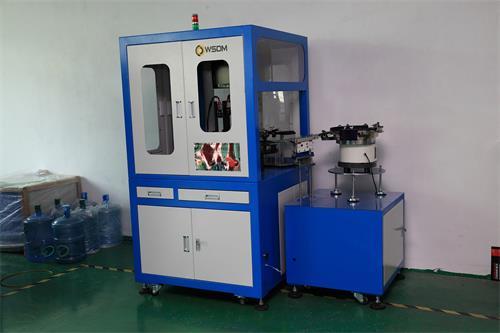
Let's break it down a bit. Imagine a factory floor buzzing with activity. Each machine is cranking out parts at lightning speed. To keep things running smoothly, precision part dimension detection systems are integrated into the production line. As each part comes off the assembly line, it's measured in real-time. If a part doesn't meet the required dimensions, it's flagged for review. Talk about efficiency!
Benefits Galore
So, what's in it for manufacturers? Well, the benefits of implementing precision part dimension detection are nothing short of remarkable:
- Cost Savings: By catching errors early, manufacturers can save a boatload on rework and scrap.
- Quality Assurance: Ensuring parts meet specifications boosts overall product quality.
- Increased Throughput: Faster detection means less downtime, allowing for more parts to be produced.
Real-World Applications
Let's not just talk theory—let's look at some real-world examples! Industries from automotive to aerospace are leveraging precision part dimension detection to stay ahead of the competition. For instance, automotive manufacturers use these systems to guarantee that every component fits perfectly, enhancing vehicle safety and performance. It's a win-win!
Challenges on the Horizon
But hold your horses; it's not all rainbows and butterflies. There are challenges to consider. Implementing high-tech measurement systems can require a hefty investment. Plus, staff may need training to get the hang of new technologies. However, the long-term benefits often outweigh these initial hurdles.
The Future of Precision Measurement
Looking ahead, the future of precision part dimension detection is bright! With advancements in AI and machine learning, we can expect even more sophisticated systems that not only detect dimensions but also predict potential issues before they arise. Imagine a world where machines can learn from past errors and adjust processes in real-time. Sounds futuristic, right? Well, it's coming!
Conclusion: A Necessity in Modern Manufacturing
In conclusion, precision part dimension detection is no longer just a fancy term; it's a necessity for modern manufacturers looking to thrive in a competitive landscape. By investing in the right technology and processes, companies can ensure their products are top-notch and their operations are as efficient as they can be. So, if you're in manufacturing, it might just be time to jump on the precision bandwagon!
Contact Us
Ms. Lu: +86-18128878019
Phone: +86 0755-23199519
ADD : Room 302, 402, Building A, Xinpitou Industrial Zone, Kanghong Road, Xinqiang Community, Xinhu Street, Guangming New District, Shenzhen
Online Message
Our team will get in touch with you shortly, so keep an eye on your inbox




