

Understanding the Technology: What Makes Magnetic Ring Core Optical Sorters Effective?
2025-12-29


Understanding the Technology: What Makes Magnetic Ring Core Optical Sorters Effective?
Table of Contents
- 1. Introduction to Optical Sorting Technology
- 2. What Are Magnetic Ring Core Optical Sorters?
- 3. How Do Magnetic Ring Core Optical Sorters Work?
- 4. Advantages of Using Magnetic Ring Core Optical Sorters
- 5. Applications of Magnetic Ring Core Optical Sorters in Various Industries
- 6. Comparison with Other Sorting Technologies
- 7. The Future of Optical Sorting Technology
- 8. Frequently Asked Questions (FAQs)
- 9. Conclusion
1. Introduction to Optical Sorting Technology
Optical sorting technology has gained immense traction in the manufacturing and processing machinery industry. This sophisticated method employs advanced tools to separate materials based on visual characteristics. Particularly, magnetic ring core optical sorters have emerged as a pivotal advancement, enhancing efficiency and accuracy in sorting processes. These machines utilize unique technology to identify and separate materials effectively, minimizing human error and maximizing throughput.
2. What Are Magnetic Ring Core Optical Sorters?
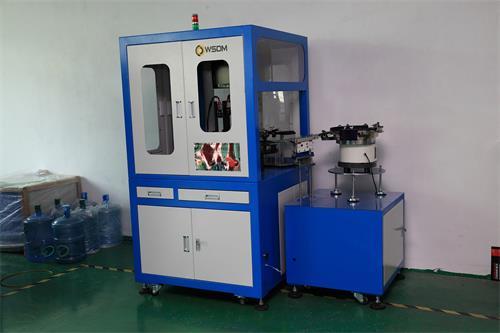
Magnetic ring core optical sorters are specialized machines designed to sort a wide variety of materials with a high degree of precision. They leverage magnetic ring cores to enhance the sorting process, particularly in the separation of metallic and non-metallic materials. This technology is especially effective in recycling operations, where the differentiation between valuable and non-valuable materials is crucial.
The core of this technology lies in its ability to utilize magnetic fields to facilitate the sorting process. By applying a magnetic force, these machines can attract metallic materials while allowing non-metallic substances to pass through unimpeded. This duality enhances the effectiveness and efficiency of the sorting process, making it an industry favorite.
3. How Do Magnetic Ring Core Optical Sorters Work?
Understanding the operational mechanics of magnetic ring core optical sorters reveals their effectiveness in various applications. These machines employ a combination of advanced imaging systems, magnetic fields, and sorting algorithms.
3.1 Imaging Systems
At the heart of the sorting process is the imaging system. High-resolution cameras capture detailed images of the materials on the conveyor belt. These images are processed in real-time to identify the characteristics of each piece.
3.2 Magnetic Fields
Once the images are analyzed, the sorting process begins. Magnetic fields generated by the ring cores selectively attract ferrous materials. The magnetic force is precisely calibrated to target only specific materials while allowing non-target materials to continue along the conveyor.
3.3 Sorting Algorithms
Advanced algorithms play a crucial role in interpreting the data collected by the imaging systems. By analyzing the images and determining the appropriate action, the sorter can accurately eject unwanted materials from the flow. This seamless integration of hardware and software makes magnetic ring core optical sorters incredibly efficient.
4. Advantages of Using Magnetic Ring Core Optical Sorters
Utilizing magnetic ring core optical sorters offers numerous advantages over traditional sorting methods.
4.1 Increased Efficiency
The speed at which these machines operate allows for higher throughput in material processing. With the ability to sort thousands of materials per hour, production timelines are significantly reduced.
4.2 Enhanced Accuracy
With advanced imaging systems and sorting algorithms, the accuracy of material separation is far superior to manual sorting methods. This precision minimizes contamination and enhances the quality of the end product.
4.3 Cost-Effectiveness
By reducing labor costs and improving sorting accuracy, businesses can achieve significant savings. The long-term operational efficiency outweighs the initial investment in these advanced machines.
4.4 Flexibility and Adaptability
Magnetic ring core optical sorters can be tailored to meet the specific needs of various industries. Their ability to handle diverse materials makes them a versatile solution for numerous applications.
5. Applications of Magnetic Ring Core Optical Sorters in Various Industries
Magnetic ring core optical sorters find applications across a wide array of industries, each benefiting from their unique capabilities.
5.1 Recycling Industry
In recycling, the need for efficient material separation is paramount. These sorters excel in distinguishing between recyclable and non-recyclable materials, ensuring that valuable resources are not wasted.
5.2 Mining and Minerals
The mining industry utilizes magnetic ring core optical sorters to separate valuable ores from waste materials. This enhances resource extraction and contributes to more sustainable practices.
5.3 Food Industry
In the food sector, maintaining quality and safety is critical. These sorters can effectively remove foreign materials and contaminants, ensuring that only the highest quality products reach consumers.
5.4 Plastics and Polymers
With the rise in demand for recycled plastics, these machines can sort various types of plastics efficiently, thereby supporting the circular economy.
6. Comparison with Other Sorting Technologies
To understand the full value of magnetic ring core optical sorters, it’s essential to compare them with other sorting technologies.
6.1 Traditional Mechanical Sorting
Traditional mechanical sorting often relies on human labor and basic mechanization, leading to inconsistencies and errors. In contrast, magnetic ring core optical sorters provide automated, consistent results with minimal human intervention.
6.2 Laser Sorting Technology
While laser sorting can offer high precision, it often comes with a higher cost and energy consumption. Magnetic ring core optical sorters deliver comparable performance at a more economical rate.
6.3 Air Classification Systems
Air classification systems are effective for certain lightweight materials, but they lack the versatility of magnetic ring core optical sorters, which can handle both ferrous and non-ferrous materials seamlessly.
7. The Future of Optical Sorting Technology
As technology evolves, so do the capabilities of optical sorting systems. The future promises even more advancements in artificial intelligence and machine learning integration, which will further enhance the efficiency and accuracy of magnetic ring core optical sorters.
7.1 AI Integration
Artificial intelligence will enable these machines to learn from previous sorting actions, continually improving their performance over time. This adaptive learning will result in even higher sorting accuracy and reduced operational costs.
7.2 Enhanced Imaging Technologies
Future advancements in imaging technologies will allow for better resolution and faster processing times. This will make it possible to sort more complex materials with greater ease.
8. Frequently Asked Questions (FAQs)
8.1 What materials can magnetic ring core optical sorters handle?
Magnetic ring core optical sorters are versatile and can handle various materials, including metals, plastics, and organic waste.
8.2 How do I maintain my magnetic ring core optical sorter?
Regular maintenance involves cleaning the imaging system, checking for wear and tear, and ensuring that the magnetic components are functioning correctly.
8.3 Are these machines energy efficient?
Yes, magnetic ring core optical sorters are designed to operate efficiently, consuming less energy compared to traditional sorting methods.
8.4 What is the average lifespan of a magnetic ring core optical sorter?
With proper maintenance, these machines can last for many years, typically ranging from 10 to 15 years.
8.5 Can magnetic ring core optical sorters be customized for specific applications?
Absolutely! These machines can be tailored to meet the unique needs of various industries, allowing for specialized sorting capabilities.
9. Conclusion
Magnetic ring core optical sorters represent a significant advancement in sorting technology, providing a robust solution for material separation across various industries. Their unique combination of imaging systems, magnetic fields, and advanced algorithms ensures high efficiency, accuracy, and cost-effectiveness. As industries continue to embrace innovation, the capabilities of these sorters will only expand, making them an invaluable asset in the ever-evolving landscape of manufacturing and processing machinery. Investing in this technology not only improves operational efficiency but also contributes to sustainable practices by enhancing recycling and resource recovery efforts.
Contact Us
Ms. Lu: +86-18128878019
Phone: +86 0755-23199519
ADD : Room 302, 402, Building A, Xinpitou Industrial Zone, Kanghong Road, Xinqiang Community, Xinhu Street, Guangming New District, Shenzhen
Online Message
Our team will get in touch with you shortly, so keep an eye on your inbox




