

Enhancing Quality Control with CCD Visual Inspection Equipment
2026-01-20


In the competitive landscape of the optical instruments industry, maintaining impeccable quality is essential for success. One of the most effective ways to achieve this is through the implementation of CCD visual inspection equipment. Charge-Coupled Device (CCD) technology has revolutionized the way manufacturers inspect and assess the integrity of their products, particularly optical lenses and instruments.
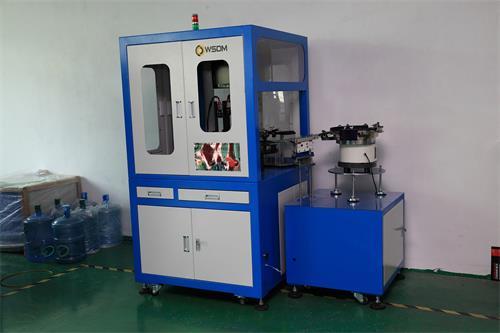
CCD visual inspection equipment utilizes advanced imaging technology to capture high-resolution images of products during various stages of the manufacturing process. This equipment is capable of detecting imperfections that are often invisible to the naked eye, such as surface defects, alignment issues, and other anomalies. By integrating CCD systems into your quality control procedures, you can significantly enhance the accuracy and efficiency of your inspections.
One of the primary benefits of using CCD visual inspection equipment is the speed at which it operates. Unlike traditional inspection methods that may require manual analysis and lengthy evaluation times, CCD systems can process and analyze images in real-time. This capability allows manufacturers to identify defects quickly, minimizing the risk of flawed products reaching the market. As a result, companies can save on costs associated with product returns and rework, ultimately improving their bottom line.
Moreover, the versatility of CCD visual inspection equipment makes it suitable for various applications within the optical instruments sector. Whether you're inspecting lenses for scratches, coatings for uniformity, or overall product assembly, these systems can be tailored to meet specific inspection criteria. This adaptability ensures that manufacturers can maintain consistent quality across a wide range of products.
Furthermore, integrating CCD visual inspection equipment into your production line can enhance traceability. Many modern systems come equipped with software that logs inspection data, allowing manufacturers to track product quality over time. This data can be invaluable for identifying trends, implementing preventive measures, and ensuring compliance with industry standards.
Training your personnel to utilize CCD visual inspection equipment effectively is crucial. While the technology is designed to be user-friendly, understanding the principles of image analysis and interpretation can greatly enhance the effectiveness of inspections. Investing in training programs for your team can empower them to leverage the full potential of these systems.
In conclusion, CCD visual inspection equipment is a game-changer for companies in the optical instruments and lens industry. By improving inspection accuracy, speeding up the quality control process, and providing valuable data insights, these systems can help you achieve higher quality standards and maintain a competitive edge in the market. Embracing this technology is not just an upgrade; it's a strategic move towards excellence in manufacturing.
Contact Us
Ms. Lu: +86-18128878019
Phone: +86 0755-23199519
ADD : Room 302, 402, Building A, Xinpitou Industrial Zone, Kanghong Road, Xinqiang Community, Xinhu Street, Guangming New District, Shenzhen
Online Message
Our team will get in touch with you shortly, so keep an eye on your inbox




