

The Future of Sorting: Innovations in CCD Indexing Plate Screening Technology
2026-01-29


The Future of Sorting: Innovations in CCD Indexing Plate Screening Technology
Table of Contents
- Introduction to CCD Indexing Plate Screening Technology
- Understanding CCD Technology in Sorting
- The Importance of Sorting in Manufacturing Processes
- Current Trends in Sorting Technologies
- Innovations in CCD Indexing Plate Screening Technology
- Applications of CCD Sorting Technology
- Challenges and Solutions in Implementing CCD Technology
- Future Trends and Developments in Sorting Technology
- Conclusion
- Frequently Asked Questions
Introduction to CCD Indexing Plate Screening Technology
In today's fast-paced manufacturing environment, **efficiency and precision** are paramount. The advent of **CCD (Charge-Coupled Device) indexing plate screening technology** marks a significant leap forward in sorting mechanisms. This technology leverages advanced image processing and sensor capabilities to enhance the sorting process, making it faster, more accurate, and efficient. As we delve into the intricacies of this technology, we will uncover how it shapes the landscape of manufacturing and material processing.
Understanding CCD Technology in Sorting
CCD technology originated in the realm of **digital imaging**, but its applications have expanded into various sectors, including **material sorting**. A CCD sensor captures light from objects and converts it into electrical signals, allowing for high-resolution imaging. In sorting applications, this translates to precise identification and classification of materials.
**How CCD Indexing Works**
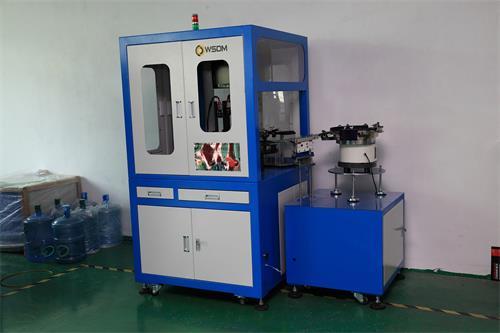
CCD indexing plate screening technology utilizes a series of **sensors** arranged on a plate to capture images of materials as they pass through a sorting line. These images are processed in real-time, allowing for immediate categorization based on defined criteria such as size, color, and material composition.
The Importance of Sorting in Manufacturing Processes
Sorting is an integral part of a streamlined manufacturing process. Effective sorting enhances the quality of products, reduces waste, and improves operational efficiency. In industries such as recycling, agriculture, and mining, the ability to quickly and accurately sort materials is crucial for profitability and sustainability.
**Benefits of Efficient Sorting**
1. **Cost Reduction**: Efficient sorting minimizes labor costs and reduces the need for manual intervention.
2. **Quality Improvement**: Automated sorting ensures consistent quality, decreasing the risk of defects in the final product.
3. **Environmental Sustainability**: Sorting technologies help recycle materials, promoting eco-friendly practices in manufacturing.
Current Trends in Sorting Technologies
The sorting technology landscape is rapidly evolving. Several trends are shaping the future of sorting mechanisms, particularly in the context of CCD indexing plate screening technology.
**Increased Automation**
Automation in sorting processes is becoming more prevalent, reducing the reliance on human labor and minimizing errors. Automated systems can operate continuously, increasing throughput and efficiency.
**Integration with AI**
The integration of Artificial Intelligence (AI) with sorting technologies allows for enhanced decision-making capabilities. AI algorithms can learn from data and improve sorting accuracy over time, adapting to new materials and criteria.
**Real-Time Data Analysis**
Modern sorting systems are equipped with data analytics capabilities that provide insights into the sorting processes. This real-time data helps in optimizing operations and identifying areas for improvement.
Innovations in CCD Indexing Plate Screening Technology
Recent advancements in CCD indexing technology have introduced several innovations that enhance sorting capabilities significantly.
**Enhanced Image Resolution**
The latest CCD sensors offer improved image resolution, allowing for the detection of smaller and more intricate features on materials. This innovation leads to better sorting accuracy and lower rates of contamination.
**Multi-Spectral Imaging**
The integration of multi-spectral imaging enables the detection of materials based on their spectral signatures. This technology broadens the range of materials that can be sorted effectively, including various types of plastics and metals.
**Improved Processing Speeds**
With advancements in computing power, CCD indexing systems can process images at unprecedented speeds. This improvement enables high-throughput sorting operations, which are essential in industries where time is critical.
Applications of CCD Sorting Technology
CCD indexing plate screening technology finds applications across various industries, showcasing its versatility and effectiveness.
**Recycling Industry**
In recycling facilities, CCD technology sorts through mixed materials, effectively distinguishing between recyclables and contaminants. This capability increases the quality of recycled materials and enhances the overall recycling process.
**Agriculture**
In agriculture, CCD sorting systems are used to grade and sort fruits and vegetables based on size, color, and ripeness. This ensures that only the best quality produce reaches the market, improving consumer satisfaction.
**Mining**
In the mining sector, CCD technology assists in sorting ores and minerals, ensuring optimal extraction and processing while reducing environmental impact.
Challenges and Solutions in Implementing CCD Technology
While CCD indexing plate screening technology offers numerous benefits, its implementation is not without challenges.
**High Initial Investment**
The initial cost of adopting advanced CCD sorting technology can be a barrier for many manufacturers. However, the long-term savings and efficiency gains often outweigh this upfront investment.
**Technical Expertise Requirement**
Implementing and maintaining CCD technology requires specialized knowledge. Manufacturers may need to invest in training or hire skilled personnel to operate these systems effectively.
**Solutions to Overcome Challenges**
To address these challenges, manufacturers can consider phased implementation, starting with pilot programs to assess the technology's impact. Additionally, collaborating with technology providers can help in easing the transition.
Future Trends and Developments in Sorting Technology
The future of sorting technology, particularly in the realm of CCD indexing plate screening, is poised to be transformative.
**Increased Focus on Sustainability**
As industries strive for sustainability, sorting technologies will play a critical role in waste reduction and resource recovery. Innovations in sorting will help manufacturers comply with stricter environmental regulations.
**Development of Smart Sorting Systems**
The emergence of smart sorting systems, which leverage IoT (Internet of Things) technology, will enable real-time monitoring and management of sorting processes. These systems can provide valuable insights and automate decision-making.
**Continued Research and Development**
Ongoing research into new materials and technologies will drive advancements in CCD indexing plate screening technology. This commitment to innovation will ensure that sorting processes remain at the forefront of manufacturing efficiency.
Conclusion
CCD indexing plate screening technology represents a significant advancement in the sorting industry. Its ability to enhance efficiency, accuracy, and sustainability is transforming manufacturing processes across various sectors. As we look to the future, continuous innovations in this technology will shape the way materials are sorted, driving improvements in quality and operational efficiency. Embracing these advancements will be crucial for manufacturers aiming to stay competitive in an ever-evolving market.
Frequently Asked Questions
1. What is CCD indexing plate screening technology?
CCD indexing plate screening technology is an advanced sorting mechanism that uses CCD sensors to capture high-resolution images of materials, allowing for precise classification based on various criteria.
2. What industries benefit from CCD sorting technology?
Industries such as recycling, agriculture, and mining benefit significantly from CCD sorting technology due to its accuracy and efficiency in material processing.
3. How does CCD technology improve sorting accuracy?
CCD technology improves sorting accuracy by providing high-resolution images and enabling real-time processing, allowing for precise identification and classification of materials.
4. What are the challenges of implementing CCD technology?
Challenges include high initial investment costs, the need for technical expertise, and potential integration issues with existing systems.
5. What future trends can we expect in sorting technology?
Future trends include increased automation, the integration of AI, a greater focus on sustainability, and the development of smart sorting systems that enhance operational efficiency.
Contact Us
Ms. Lu: +86-18128878019
Phone: +86 0755-23199519
ADD : Room 302, 402, Building A, Xinpitou Industrial Zone, Kanghong Road, Xinqiang Community, Xinhu Street, Guangming New District, Shenzhen
Online Message
Our team will get in touch with you shortly, so keep an eye on your inbox




