

Understanding the Functionality and Benefits of Visual Sorting Machines in Optical Instrumentation
2026-05-12


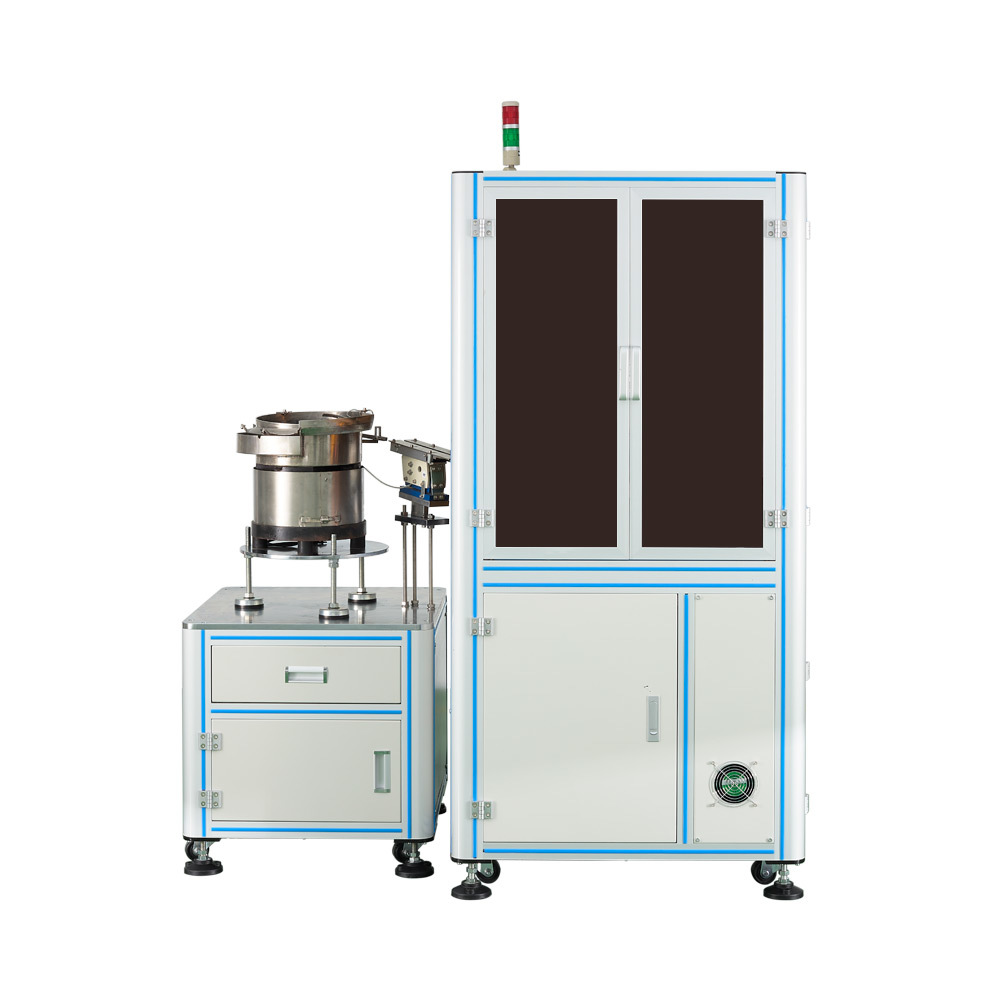
Visual sorting machines are critical tools employed in various industries, including the field of optical instrumentation, where precision and quality control are paramount. These machines utilize advanced imaging technology and algorithms to analyze and sort items based on their visual characteristics. In optical applications, this can mean assessing lenses and other components for defects, ensuring that only products meeting specified standards proceed to further processing or packaging.
One of the primary benefits of visual sorting machines is their ability to streamline quality control processes. By automating the inspection of optical components, these machines significantly reduce the time and labor required for manual sorting. This not only enhances productivity but also minimizes the risk of human error, which can lead to costly mistakes in the final product.
Visual sorting machines typically employ high-resolution cameras and sophisticated image processing software to capture detailed images of the items being inspected. The software analyzes these images to identify defects such as scratches, bubbles, or other visual inconsistencies that could compromise the optical performance of the lenses. This automated inspection process allows for consistent and reliable sorting, as the machines can swiftly process large volumes of items with remarkable accuracy.
Another advantage of visual sorting machines is their adaptability. They can be programmed to recognize a wide array of visual features, allowing them to be customized for different types of optical components or other products. This flexibility makes them suitable for various applications beyond the optical sector, including electronics, pharmaceuticals, and food processing, where visual quality assessment is equally important.
In addition to improving quality control, visual sorting machines can contribute to cost savings in the long run. By ensuring that only high-quality items are used in production, businesses can reduce waste and avoid the expenses associated with rework or recalls due to defective products. Moreover, the rapid sorting capabilities of these machines enable companies to respond quickly to market demands, ultimately enhancing their competitive edge.
In summary, visual sorting machines play a vital role in the quality assurance processes of industries reliant on precision and visual inspection, such as optical instrumentation. Their ability to automate inspections, increase efficiency, and adapt to various applications makes them indispensable in modern manufacturing and quality control environments. By investing in these advanced sorting technologies, companies can significantly enhance their operational capabilities and ensure the highest standards of product quality.
One of the primary benefits of visual sorting machines is their ability to streamline quality control processes. By automating the inspection of optical components, these machines significantly reduce the time and labor required for manual sorting. This not only enhances productivity but also minimizes the risk of human error, which can lead to costly mistakes in the final product.
Visual sorting machines typically employ high-resolution cameras and sophisticated image processing software to capture detailed images of the items being inspected. The software analyzes these images to identify defects such as scratches, bubbles, or other visual inconsistencies that could compromise the optical performance of the lenses. This automated inspection process allows for consistent and reliable sorting, as the machines can swiftly process large volumes of items with remarkable accuracy.
Another advantage of visual sorting machines is their adaptability. They can be programmed to recognize a wide array of visual features, allowing them to be customized for different types of optical components or other products. This flexibility makes them suitable for various applications beyond the optical sector, including electronics, pharmaceuticals, and food processing, where visual quality assessment is equally important.
In addition to improving quality control, visual sorting machines can contribute to cost savings in the long run. By ensuring that only high-quality items are used in production, businesses can reduce waste and avoid the expenses associated with rework or recalls due to defective products. Moreover, the rapid sorting capabilities of these machines enable companies to respond quickly to market demands, ultimately enhancing their competitive edge.
In summary, visual sorting machines play a vital role in the quality assurance processes of industries reliant on precision and visual inspection, such as optical instrumentation. Their ability to automate inspections, increase efficiency, and adapt to various applications makes them indispensable in modern manufacturing and quality control environments. By investing in these advanced sorting technologies, companies can significantly enhance their operational capabilities and ensure the highest standards of product quality.
Related News
Contact Us
Ms. Lu: +86-18128878019
Phone: +86 0755-23199519
ADD : Room 302, 402, Building A, Xinpitou Industrial Zone, Kanghong Road, Xinqiang Community, Xinhu Street, Guangming New District, Shenzhen
Online Message
Our team will get in touch with you shortly, so keep an eye on your inbox