
Revolutionizing Sorting: The Role of Visual Sorting Machines in Optical Instrumentation
2026-07-19


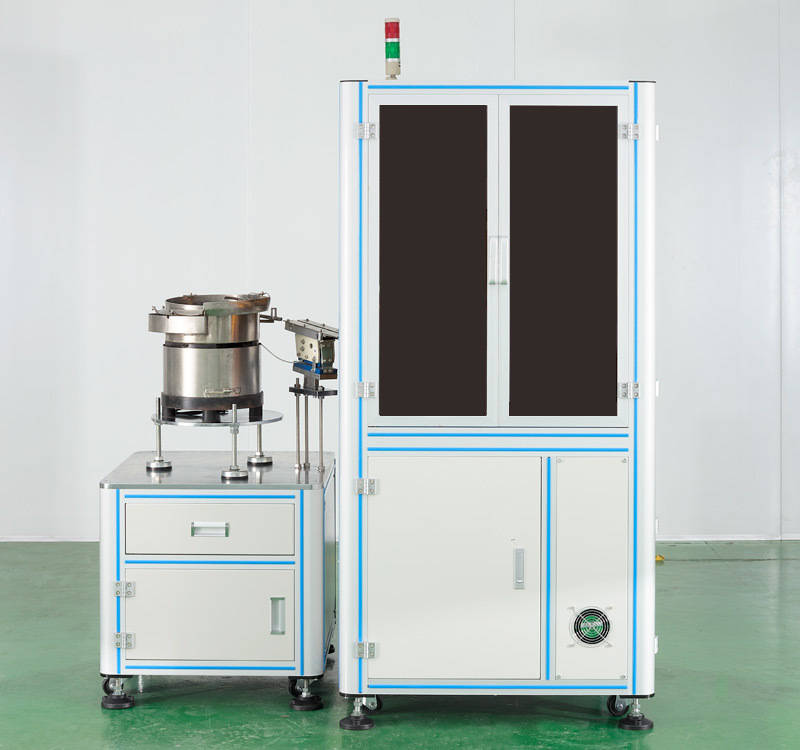
Visual sorting machines have emerged as pivotal tools in various industries, particularly in the realm of optical instrumentation. These sophisticated devices leverage advanced imaging technologies to automate and improve the sorting process of optical lenses and components. By employing high-resolution cameras and sophisticated algorithms, visual sorting machines can analyze and categorize items based on a multitude of parameters, including size, shape, color, and surface quality. This capability is crucial for maintaining the high standards of precision that the optical industry demands.
One of the primary advantages of visual sorting machines is their ability to drastically reduce human error. Manual sorting processes can be prone to inaccuracies due to fatigue or oversight, leading to potential defects in optical components. In contrast, visual sorting machines operate with consistency and precision, ensuring that only items that meet predefined quality standards proceed through the production line. This not only enhances the overall quality of the finished products but also boosts the efficiency of the manufacturing process, allowing for higher throughput and reduced waste.
The technology behind visual sorting machines incorporates artificial intelligence and machine learning, enabling these systems to continuously improve their accuracy and efficiency over time. By analyzing large datasets, these machines can adapt to variations in the optical components they are sorting, making them invaluable in environments where precision is non-negotiable. Furthermore, their ability to perform in real-time allows for immediate feedback in quality control processes, enabling manufacturers to address issues promptly and maintain high levels of operational efficiency.
In addition to their applications in sorting, visual sorting machines can also assist in the inspection of optical lenses and instruments. By utilizing imaging techniques that detect even the slightest imperfections, these machines can contribute to the overall quality assurance strategy within optical manufacturing. This proactive approach to quality control not only minimizes the risk of defective products reaching the market but also enhances customer satisfaction and trust in the brand.
For companies within the optical instrumentation sector, investing in visual sorting machines is not merely a step towards modernization; it is a strategic move towards achieving greater operational excellence. As competition intensifies, the demand for high-quality optical products will only continue to grow. By integrating visual sorting machines into their manufacturing processes, companies can position themselves as leaders in quality and innovation.
In summary, visual sorting machines play a transformative role in the optical instrumentation industry, driving enhancements in sorting accuracy and operational efficiency. By automating the sorting and inspection processes, these machines help manufacturers meet the rigorous demands of quality while maintaining competitive advantage in the marketplace.
One of the primary advantages of visual sorting machines is their ability to drastically reduce human error. Manual sorting processes can be prone to inaccuracies due to fatigue or oversight, leading to potential defects in optical components. In contrast, visual sorting machines operate with consistency and precision, ensuring that only items that meet predefined quality standards proceed through the production line. This not only enhances the overall quality of the finished products but also boosts the efficiency of the manufacturing process, allowing for higher throughput and reduced waste.
The technology behind visual sorting machines incorporates artificial intelligence and machine learning, enabling these systems to continuously improve their accuracy and efficiency over time. By analyzing large datasets, these machines can adapt to variations in the optical components they are sorting, making them invaluable in environments where precision is non-negotiable. Furthermore, their ability to perform in real-time allows for immediate feedback in quality control processes, enabling manufacturers to address issues promptly and maintain high levels of operational efficiency.
In addition to their applications in sorting, visual sorting machines can also assist in the inspection of optical lenses and instruments. By utilizing imaging techniques that detect even the slightest imperfections, these machines can contribute to the overall quality assurance strategy within optical manufacturing. This proactive approach to quality control not only minimizes the risk of defective products reaching the market but also enhances customer satisfaction and trust in the brand.
For companies within the optical instrumentation sector, investing in visual sorting machines is not merely a step towards modernization; it is a strategic move towards achieving greater operational excellence. As competition intensifies, the demand for high-quality optical products will only continue to grow. By integrating visual sorting machines into their manufacturing processes, companies can position themselves as leaders in quality and innovation.
In summary, visual sorting machines play a transformative role in the optical instrumentation industry, driving enhancements in sorting accuracy and operational efficiency. By automating the sorting and inspection processes, these machines help manufacturers meet the rigorous demands of quality while maintaining competitive advantage in the marketplace.
Related News
Contact Us
Ms. Lu: +86-18128878019
Phone: +86 0755-23199519
ADD : Room 302, 402, Building A, Xinpitou Industrial Zone, Kanghong Road, Xinqiang Community, Xinhu Street, Guangming New District, Shenzhen
Online Message
Our team will get in touch with you shortly, so keep an eye on your inbox