

Revolutionizing Quality Control: The Role of Automatic Optical Inspection Equipment
2026-08-22


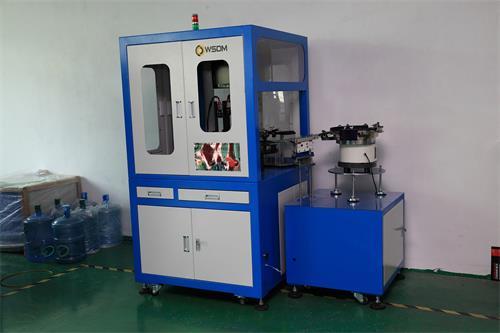
In the world of optical instruments, ensuring precision and quality is paramount. Automatic optical inspection (AOI) equipment has emerged as a vital tool in maintaining these standards. This advanced technology utilizes high-resolution cameras and sophisticated algorithms to inspect optical components and assemblies for defects and irregularities. The integration of AOI equipment into the quality assurance processes offers numerous advantages, transforming the way manufacturers approach inspections.
One of the primary benefits of using automatic optical inspection equipment is its ability to significantly enhance inspection speed and accuracy. Traditional manual inspection methods can be time-consuming and prone to human error, leading to inconsistencies in quality control. In contrast, AOI systems can analyze images of optical parts at high speeds, ensuring that any defects are identified swiftly. This rapid inspection capability helps manufacturers meet production deadlines while maintaining high-quality standards.
Moreover, automatic optical inspection equipment is equipped with advanced image processing algorithms that can detect a wide range of defects, including surface imperfections, misalignments, and dimensional inaccuracies. These inspections can be performed at various stages of the production process, allowing for immediate feedback and corrective actions. By identifying issues early in the manufacturing cycle, companies can reduce waste, minimize rework, and ultimately save costs.
Another significant aspect of AOI technology is its adaptability to different types of optical products. Whether it's lenses, prisms, or complex optical assemblies, automatic optical inspection equipment can be tailored to suit specific inspection requirements. This flexibility enables manufacturers to implement a standardized inspection process across their product lines, ensuring consistency and reliability.
Furthermore, the data collected during inspections can be invaluable for quality assurance and process improvement. Many AOI systems are integrated with data analytics software that allows manufacturers to monitor trends, analyze defect patterns, and make informed decisions regarding production processes. This data-driven approach not only enhances quality control but also facilitates continuous improvement initiatives.
In conclusion, automatic optical inspection equipment plays a crucial role in the optical lens and instrument industry by revolutionizing the inspection process. Its speed, accuracy, and versatility make it an indispensable tool for ensuring the highest quality standards. As manufacturers continue to embrace this technology, the future of optical inspections looks promising, offering greater efficiency and reliability in product quality assurance. Investing in AOI systems is not just a step towards improved quality control; it is a commitment to excellence in the precision-driven world of optics.
Contact Us
Ms. Lu: +86-18128878019
Phone: +86 0755-23199519
ADD : Room 302, 402, Building A, Xinpitou Industrial Zone, Kanghong Road, Xinqiang Community, Xinhu Street, Guangming New District, Shenzhen
Online Message
Our team will get in touch with you shortly, so keep an eye on your inbox




