

Unlocking Efficiency: The Role of Optical Sorting Machines in Modern Industries
2026-10-03


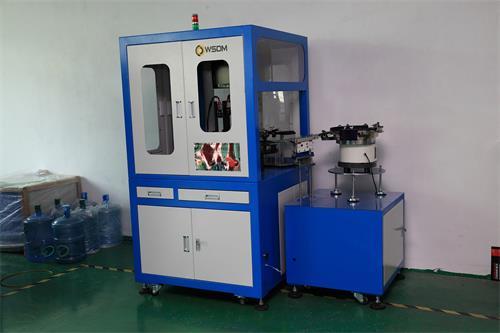
Optical sorting machines have emerged as a game-changer in the realm of automated sorting technologies. Leveraging advanced imaging systems and sophisticated algorithms, these machines are designed to enhance the sorting process by accurately identifying and separating materials based on their optical properties. This technology is particularly beneficial in industries such as food processing, recycling, and mining, where the need for precision and efficiency is paramount.
One of the foremost advantages of optical sorting machines is their ability to process large volumes of materials at high speeds. Traditional sorting methods can be labor-intensive and prone to human error, whereas optical sorting machines rely on high-resolution cameras and sensors that can detect even the slightest differences in color, shape, and size. This capability not only increases the speed of sorting but also minimizes waste, ensuring that only the desired materials are selected.
In the food industry, for instance, optical sorting machines are instrumental in ensuring quality control. They can swiftly identify and remove defective or contaminated products, which is vital for maintaining food safety standards. The use of these machines reduces the chances of human error and improves overall product quality, leading to higher customer satisfaction.
The recycling sector has also benefited significantly from optical sorting technology. As the demand for sustainable practices grows, sorting recyclable materials accurately is essential. Optical sorting machines can distinguish between different types of plastics, metals, and other recyclable materials, enhancing the efficiency of recycling processes and contributing to a circular economy.
Moreover, the implementation of optical sorting machines can lead to significant cost savings. By improving the accuracy of material separation, businesses can reduce the costs associated with waste management and reprocessing. This efficiency translates to a better bottom line and can enhance the company's sustainability profile, making it more appealing to environmentally conscious consumers and stakeholders.
As technology continues to advance, the capabilities of optical sorting machines are expected to evolve further. Innovations in artificial intelligence and machine learning are likely to enhance the accuracy and efficiency of these systems, making them even more integral to various industries.
In summary, optical sorting machines are revolutionizing the way materials are sorted across multiple industries. Their ability to deliver accurate, efficient, and high-speed sorting solutions makes them indispensable tools in operations seeking to enhance quality, reduce waste, and improve overall productivity. By adopting this technology, businesses can not only streamline their processes but also pave the way for more sustainable practices in the long run.
One of the foremost advantages of optical sorting machines is their ability to process large volumes of materials at high speeds. Traditional sorting methods can be labor-intensive and prone to human error, whereas optical sorting machines rely on high-resolution cameras and sensors that can detect even the slightest differences in color, shape, and size. This capability not only increases the speed of sorting but also minimizes waste, ensuring that only the desired materials are selected.
In the food industry, for instance, optical sorting machines are instrumental in ensuring quality control. They can swiftly identify and remove defective or contaminated products, which is vital for maintaining food safety standards. The use of these machines reduces the chances of human error and improves overall product quality, leading to higher customer satisfaction.
The recycling sector has also benefited significantly from optical sorting technology. As the demand for sustainable practices grows, sorting recyclable materials accurately is essential. Optical sorting machines can distinguish between different types of plastics, metals, and other recyclable materials, enhancing the efficiency of recycling processes and contributing to a circular economy.
Moreover, the implementation of optical sorting machines can lead to significant cost savings. By improving the accuracy of material separation, businesses can reduce the costs associated with waste management and reprocessing. This efficiency translates to a better bottom line and can enhance the company's sustainability profile, making it more appealing to environmentally conscious consumers and stakeholders.
As technology continues to advance, the capabilities of optical sorting machines are expected to evolve further. Innovations in artificial intelligence and machine learning are likely to enhance the accuracy and efficiency of these systems, making them even more integral to various industries.
In summary, optical sorting machines are revolutionizing the way materials are sorted across multiple industries. Their ability to deliver accurate, efficient, and high-speed sorting solutions makes them indispensable tools in operations seeking to enhance quality, reduce waste, and improve overall productivity. By adopting this technology, businesses can not only streamline their processes but also pave the way for more sustainable practices in the long run.
Contact Us
Ms. Lu: +86-18128878019
Phone: +86 0755-23199519
ADD : Room 302, 402, Building A, Xinpitou Industrial Zone, Kanghong Road, Xinqiang Community, Xinhu Street, Guangming New District, Shenzhen
Online Message
Our team will get in touch with you shortly, so keep an eye on your inbox




