

Revolutionizing Quality Control: The Role of Automatic Visual Inspection Machines in Optical Lens Manufacturing
2026-10-05


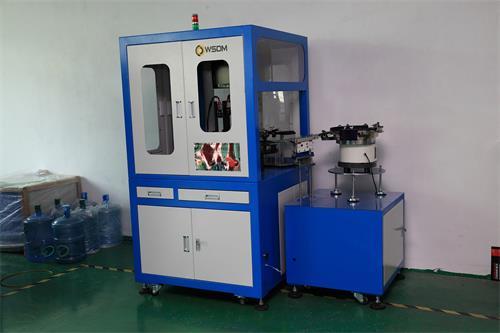
In the ever-evolving landscape of the optical lens manufacturing industry, quality control remains paramount. One of the most significant advancements in this area is the introduction of automatic visual inspection machines. These machines utilize sophisticated technologies to streamline the inspection process, ensuring that every optical lens meets stringent quality standards.
Automatic visual inspection machines are designed to identify defects that may be invisible to the naked eye. They employ high-resolution cameras, advanced imaging algorithms, and artificial intelligence to analyze the subtle characteristics of each lens. By doing so, these machines can detect issues such as scratches, bubbles, misalignments, and other imperfections that could compromise the performance of the optical product.
One of the primary advantages of integrating automatic visual inspection machines into the production line is their efficiency. Traditional inspection methods, often reliant on human inspectors, can be time-consuming and prone to errors. In contrast, automatic machines can conduct inspections at a much faster pace, allowing manufacturers to increase throughput without sacrificing quality. This efficiency not only shortens the production cycle but also reduces labor costs, enabling companies to allocate their resources more effectively.
Moreover, the application of advanced imaging technologies, such as machine learning, allows these machines to improve over time. By continuously learning from the data they collect, automatic visual inspection machines can enhance their accuracy and adapt to new defect types. This adaptability is crucial in a market where customer expectations are constantly evolving and where the demand for high-quality optical products is ever-increasing.
Another critical aspect of these machines is their capability to provide detailed reports and data analytics. Manufacturers can track performance metrics, such as defect rates and inspection times, offering them insights into their production processes. This data-driven approach facilitates informed decision-making, enabling companies to implement corrective actions swiftly and optimize their operations.
Incorporating automatic visual inspection machines into the optical lens production workflow not only upholds quality standards but also supports compliance with industry regulations. As the demand for precision and reliability in optical products grows, these machines serve as essential tools for maintaining competitive advantages in the market.
In conclusion, automatic visual inspection machines have become vital assets in the optical lens manufacturing sector. Their ability to enhance inspection efficiency, reduce errors, and provide valuable data insights empowers manufacturers to meet quality demands while optimizing their production processes. Embracing this technology is not just a step towards modernization but a commitment to delivering superior optical products to the market.
Automatic visual inspection machines are designed to identify defects that may be invisible to the naked eye. They employ high-resolution cameras, advanced imaging algorithms, and artificial intelligence to analyze the subtle characteristics of each lens. By doing so, these machines can detect issues such as scratches, bubbles, misalignments, and other imperfections that could compromise the performance of the optical product.
One of the primary advantages of integrating automatic visual inspection machines into the production line is their efficiency. Traditional inspection methods, often reliant on human inspectors, can be time-consuming and prone to errors. In contrast, automatic machines can conduct inspections at a much faster pace, allowing manufacturers to increase throughput without sacrificing quality. This efficiency not only shortens the production cycle but also reduces labor costs, enabling companies to allocate their resources more effectively.
Moreover, the application of advanced imaging technologies, such as machine learning, allows these machines to improve over time. By continuously learning from the data they collect, automatic visual inspection machines can enhance their accuracy and adapt to new defect types. This adaptability is crucial in a market where customer expectations are constantly evolving and where the demand for high-quality optical products is ever-increasing.
Another critical aspect of these machines is their capability to provide detailed reports and data analytics. Manufacturers can track performance metrics, such as defect rates and inspection times, offering them insights into their production processes. This data-driven approach facilitates informed decision-making, enabling companies to implement corrective actions swiftly and optimize their operations.
Incorporating automatic visual inspection machines into the optical lens production workflow not only upholds quality standards but also supports compliance with industry regulations. As the demand for precision and reliability in optical products grows, these machines serve as essential tools for maintaining competitive advantages in the market.
In conclusion, automatic visual inspection machines have become vital assets in the optical lens manufacturing sector. Their ability to enhance inspection efficiency, reduce errors, and provide valuable data insights empowers manufacturers to meet quality demands while optimizing their production processes. Embracing this technology is not just a step towards modernization but a commitment to delivering superior optical products to the market.
Contact Us
Ms. Lu: +86-18128878019
Phone: +86 0755-23199519
ADD : Room 302, 402, Building A, Xinpitou Industrial Zone, Kanghong Road, Xinqiang Community, Xinhu Street, Guangming New District, Shenzhen
Online Message
Our team will get in touch with you shortly, so keep an eye on your inbox




