

Exploring the Technology Behind Auto Optical Inspection Machines: A Deep Dive into Innovations and Applications
2026-10-06


Exploring the Technology Behind Auto Optical Inspection Machines
Introduction to Auto Optical Inspection Machines
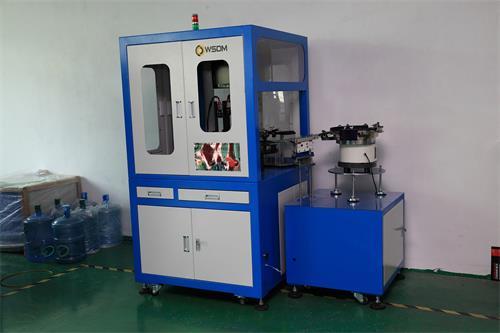
In the realm of manufacturing, ensuring product quality is paramount. Auto Optical Inspection (AOI) machines have emerged as a crucial technology in this regard, enabling manufacturers to detect defects and irregularities in products with precision and speed. By harnessing advanced optical technology, these machines streamline the quality assurance process, significantly reducing the likelihood of human error.
This article will explore the technology behind AOI machines, including their components, the science of optical inspection, applications across various industries, and future trends that are shaping this technology.
The Core Components of Auto Optical Inspection Machines
Understanding the intricacies of AOI machines begins with a closer examination of their core components. Each part plays a critical role in the overall functionality and efficiency of the inspection process.
1. Imaging Systems
At the heart of any AOI machine is its imaging system, which typically consists of high-resolution cameras. These cameras capture detailed images of the product being inspected. The quality of the imaging system directly impacts the accuracy of defect detection. Modern AOI machines often utilize multi-spectral imaging systems that can capture images at different wavelengths to reveal defects that may not be visible in standard lighting conditions.
2. Lighting Solutions
Effective lighting is essential for optimal image capture. AOI machines use a variety of lighting techniques, such as backlighting, surface lighting, and angle lighting, to enhance visibility and highlight surface irregularities. The choice of lighting can significantly affect the machine's ability to detect different types of defects, such as scratches, dents, or color inconsistencies.
3. Processing Software
The processing software is where the magic happens. After capturing images, the AOI system utilizes sophisticated algorithms to analyze the data. Machine learning and artificial intelligence have increasingly been integrated into this software, enabling the machines to learn from previous inspections and improve their accuracy over time. This software also allows operators to set parameters specific to each inspection task, tailoring the process to meet unique quality control standards.
4. Mechanical Structure
The mechanical structure of an AOI machine is designed to provide stability and precision. This includes the frame, conveyors, and other moving parts that ensure products are consistently positioned for inspection. A robust mechanical design minimizes vibration and movement, which can adversely affect image capture and analysis.
The Science Behind Optical Inspection Technology
Optical inspection technology relies on the principles of light behavior and image analysis. Understanding these principles provides insight into how AOI machines achieve high levels of precision.
1. Light Reflection and Refraction
Light behavior plays a crucial role in optical inspection. By understanding how light reflects off surfaces and refracts through materials, manufacturers can optimize lighting and camera angles to enhance defect detection. For instance, certain surfaces may reflect light in ways that obscure defects; thus, adjusting the angle of lighting can reveal these hidden issues.
2. Image Processing Techniques
Image processing techniques are essential for converting raw data into actionable insights. Techniques such as edge detection, pattern recognition, and color analysis enable the software to identify discrepancies between the actual product image and pre-defined standards. Advanced algorithms can detect even minute deviations, ensuring that only products meeting quality standards move forward in the production line.
Applications of Auto Optical Inspection Machines Across Industries
The versatility of AOI machines allows them to be utilized in various sectors. Here are some notable applications across different industries:
1. Electronics Manufacturing
In the electronics sector, AOI machines are indispensable for inspecting printed circuit boards (PCBs). They help identify solder defects, misalignment, and component placement issues. The speed and accuracy of AOI technology significantly reduce the risk of faulty electronic products reaching consumers, thereby enhancing reliability.
2. Automotive Industry
The automotive industry employs AOI machines for quality assurance in manufacturing processes. These machines inspect components such as sensors, wiring, and structural parts, ensuring they meet safety and performance standards. This proactive approach to quality control helps prevent costly recalls and safety issues.
3. Medical Device Manufacturing
In the medical field, precision is non-negotiable. AOI machines play a crucial role in the manufacturing of medical devices, ensuring that components are free from defects. These inspections contribute to patient safety and compliance with stringent regulatory requirements.
4. Packaging Industry
The packaging industry utilizes AOI technology to inspect printed labels, packaging integrity, and barcode accuracy. Ensuring that packaging meets quality standards is essential for brand integrity and customer satisfaction.
Benefits of Implementing Auto Optical Inspection Machines
Integrating AOI machines into manufacturing processes offers numerous advantages, propelling companies toward improved efficiency and quality.
1. Enhanced Accuracy
The primary benefit of AOI machines lies in their ability to detect defects with high accuracy. By eliminating human error, these machines ensure that only products meeting stringent quality standards are approved for release.
2. Increased Speed
AOI machines operate at a speed that far exceeds manual inspection processes. This efficiency allows manufacturers to maintain high production rates without sacrificing quality, ultimately leading to increased profitability.
3. Cost-Effective Quality Control
While the initial investment in AOI technology can be significant, the long-term savings are compelling. By reducing waste, minimizing rework, and preventing defective products from reaching consumers, companies can enhance their bottom line.
Future Trends Shaping Auto Optical Inspection Technology
As technology continues to evolve, so too does the landscape of Auto Optical Inspection. Here are some trends to watch for in the coming years:
1. Integration with Artificial Intelligence
The integration of AI into AOI machines is expected to revolutionize the industry. AI can enhance image recognition capabilities, allowing machines to learn from past inspections and adapt to new defect types. This continuous learning approach will improve the accuracy and reliability of inspections.
2. Increased Use of 3D Inspection
The shift from 2D to 3D inspection technology will allow for a more comprehensive analysis of products. 3D AOI machines can detect defects that are not visible in 2D images, providing a more thorough quality assurance process.
3. Advanced Data Analytics
As AOI machines collect vast amounts of data during inspections, advanced analytics will play a crucial role in interpreting this information. By leveraging big data, manufacturers can gain insights into production trends, defect patterns, and overall quality metrics, enabling informed decision-making.
FAQs About Auto Optical Inspection Machines
1. What is an Auto Optical Inspection machine?
Auto Optical Inspection (AOI) machines are systems used in manufacturing to detect defects in products through the use of advanced imaging technology and algorithms.
2. How does AOI technology improve quality control?
AOI technology enhances quality control by accurately detecting defects at high speeds, reducing human error, and ensuring that only high-quality products reach the market.
3. What industries benefit from AOI machines?
Industries such as electronics, automotive, medical device manufacturing, and packaging utilize AOI machines for quality assurance.
4. What are the key components of an AOI machine?
Key components include imaging systems, lighting solutions, processing software, and mechanical structures.
5. What are the future trends in Auto Optical Inspection technology?
Future trends include the integration of artificial intelligence, increased use of 3D inspection technology, and advanced data analytics for better quality control.
Conclusion
Auto Optical Inspection machines represent a hallmark of innovation in the quest for quality assurance in manufacturing. By understanding the technology that drives these machines—from imaging systems to advanced processing algorithms—we can appreciate their vital role across various industries. The benefits they offer, including enhanced accuracy, speed, and cost savings, make them indispensable tools for manufacturers aiming to maintain high standards. As we look to the future, the integration of artificial intelligence and advanced analytics promises to further refine the capabilities of AOI technology, ensuring that it continues to evolve in tandem with industry needs. Embracing these trends will not only enhance quality control processes but will also pave the way for a more efficient and reliable manufacturing landscape.
Contact Us
Ms. Lu: +86-18128878019
Phone: +86 0755-23199519
ADD : Room 302, 402, Building A, Xinpitou Industrial Zone, Kanghong Road, Xinqiang Community, Xinhu Street, Guangming New District, Shenzhen
Online Message
Our team will get in touch with you shortly, so keep an eye on your inbox




