

Enhancing Quality Control with AOI Visual Inspection Technology
2025-08-23


Enhancing Quality Control with AOI Visual Inspection Technology
Table of Contents
- 1. Introduction to AOI Technology
- 2. What is Automated Optical Inspection (AOI)?
- 3. Key Benefits of AOI Visual Inspection Technology
- 4. How AOI Technology Works
- 5. Applications of AOI in Various Industries
- 6. Implementing AOI: Best Practices
- 7. The Future of AOI Visual Inspection Technology
- 8. Conclusion
- 9. Frequently Asked Questions (FAQs)
1. Introduction to AOI Technology
In the realm of precision manufacturing, ensuring quality control is paramount. **Automated Optical Inspection (AOI)** has emerged as a groundbreaking solution that leverages advanced imaging technologies to enhance the quality assurance processes for optical lenses and instruments. This article explores the multifaceted dimensions of AOI, highlighting its significance, operational mechanics, and the myriad industries it benefits.
2. What is Automated Optical Inspection (AOI)?
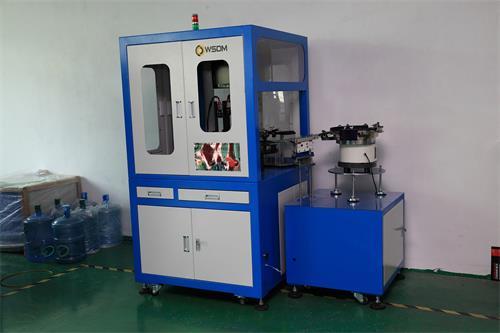
**Automated Optical Inspection (AOI)** refers to the use of optical devices to inspect products for defects or irregularities. This technology employs high-resolution cameras, sophisticated lighting, and image processing software to perform inspections that were traditionally conducted manually. The rise of AOI technology has been driven by the need for consistency and accuracy in manufacturing processes, where even the slightest defect can lead to substantial operational costs.
2.1 The Components of AOI Systems
An AOI system typically consists of several key components:
- **High-Resolution Cameras:** Capture detailed images of the products.
- **Lighting Systems:** Illuminate the products to enhance visibility.
- **Image Processing Software:** Analyzes the captured images to detect defects or deviations from the specified criteria.
2.2 Difference Between AOI and Manual Inspection
While manual inspection relies heavily on human observation and judgment, AOI systems provide a more standardized, repeatable approach to inspections. This reduces the likelihood of overlooking defects, offering a significant advantage in quality control.
3. Key Benefits of AOI Visual Inspection Technology
The implementation of AOI in quality control processes yields a multitude of benefits:
3.1 Increased Accuracy and Consistency
AOI systems significantly enhance the accuracy of inspections by eliminating human errors and biases. They ensure consistent evaluation criteria across all products.
3.2 Enhanced Efficiency and Productivity
With AOI technology, inspection processes can be completed faster than manual methods. This heightened efficiency translates to increased productivity, allowing manufacturers to meet high demand without compromising quality.
3.3 Cost-Effectiveness
By minimizing defects and rework, AOI reduces overall production costs. Early detection of issues prevents costly errors that might arise further down the production line.
3.4 Improved Traceability and Reporting
AOI systems often come equipped with advanced data tracking and reporting features. This capability allows manufacturers to maintain detailed records of inspections, enhancing traceability and compliance with industry standards.
4. How AOI Technology Works
Understanding the operational mechanics of AOI is essential for appreciating its role in quality control.
4.1 Image Acquisition
The first step in AOI involves capturing high-resolution images of the products. The lighting setup plays a crucial role in ensuring that the images reveal any potential defects clearly.
4.2 Image Processing and Analysis
Once images are acquired, the image processing software analyzes these pictures for faults. This process often involves comparing the captured images against pre-defined templates or specifications.
4.3 Decision Making
After analysis, the system categorizes the products as either acceptable or defective based on the results. This decision-making process is instantaneous, allowing for rapid feedback during production.
5. Applications of AOI in Various Industries
AOI technology is versatile and finds applications across several industries:
5.1 Electronics Manufacturing
In the electronics sector, AOI is crucial for inspecting printed circuit boards (PCBs) to identify soldering defects or component misalignments.
5.2 Automotive Industry
Automotive manufacturers utilize AOI for quality checks on various components, ensuring they meet safety and performance standards.
5.3 Medical Device Production
The medical industry employs AOI to guarantee that devices are manufactured to stringent specifications, safeguarding patient safety.
5.4 Optical Instruments
For optical lenses and instruments, AOI ensures that products meet the high standards required for clarity and precision, making it essential for manufacturers in this niche.
6. Implementing AOI: Best Practices
To successfully implement AOI technology, consider the following best practices:
6.1 Define Inspection Criteria Clearly
Establishing clear, measurable inspection criteria is vital for the effectiveness of AOI systems. This ensures that the systems deliver accurate evaluations based on specific tolerances.
6.2 Train Your Team
Training personnel on how to operate and maintain AOI systems is crucial. A knowledgeable team can optimize the technology's use and troubleshoot any issues that arise.
6.3 Integrate with Existing Systems
Seamless integration of AOI technology with existing manufacturing systems enhances overall production efficiency. Data from AOI systems can improve decision-making processes across the board.
7. The Future of AOI Visual Inspection Technology
The future of AOI is promising, with advancements in artificial intelligence (AI) and machine learning poised to revolutionize this technology further. These innovations will enable AOI systems to learn from past inspections, improving their accuracy and efficiency over time.
7.1 The Role of AI in AOI
AI algorithms can analyze patterns in defect data, allowing for predictive maintenance. This capability will enable manufacturers to address issues proactively before they incur significant costs.
7.2 Enhanced Imaging Technologies
Future innovations in imaging technologies are likely to facilitate even more detailed inspections. 3D imaging, for instance, can provide a comprehensive view of products, improving defect detection capabilities.
8. Conclusion
**Automated Optical Inspection (AOI)** technology represents a significant leap forward in quality control processes. Its ability to enhance accuracy, increase efficiency, and reduce costs makes it an invaluable tool in manufacturing, particularly for optical lenses and instruments. As technology continues to evolve, the potential for AOI will only grow, promising to transform industries and set new standards for quality assurance.
9. Frequently Asked Questions (FAQs)
Q1: What types of defects can AOI detect?
A1: AOI can detect a variety of defects, including misalignment, soldering issues, and surface imperfections.
Q2: How does AOI compare to other inspection technologies?
A2: AOI is often more efficient and accurate than manual inspection methods, providing rapid feedback and reducing human error.
Q3: Can AOI be integrated into existing manufacturing lines?
A3: Yes, AOI systems can be seamlessly integrated into most manufacturing processes to enhance quality control.
Q4: What industries benefit most from AOI technology?
A4: Industries such as electronics, automotive, medical devices, and optical manufacturing significantly benefit from AOI technology.
Q5: Is training necessary for AOI system operation?
A5: Yes, providing training for personnel on AOI operation and maintenance is crucial for maximizing its effectiveness.
Contact Us
Ms. Lu: +86-18128878019
Phone: +86 0755-23199519
ADD : Room 302, 402, Building A, Xinpitou Industrial Zone, Kanghong Road, Xinqiang Community, Xinhu Street, Guangming New District, Shenzhen
Online Message
Our team will get in touch with you shortly, so keep an eye on your inbox




