

Maximizing Efficiency: The Role of CCD Visual Inspection Machines in Quality Control
2025-03-24


Maximizing Efficiency: The Role of CCD Visual Inspection Machines in Quality Control
Table of Contents
1. Understanding CCD Visual Inspection Machines
2. The Importance of Quality Control in Manufacturing
3. Key Features of CCD Visual Inspection Machines
3.1 High-Resolution Imaging
3.2 Speed and Automation
3.3 Data Analysis Capabilities
4. Enhancing Efficiency through CCD Visual Inspection
4.1 Reducing Human Error
4.2 Streamlining Inspection Processes
5. Application Areas for CCD Visual Inspection Machines
5.1 Electronics Manufacturing
5.2 Automotive Industry
5.3 Medical Device Production
6. Cost-Benefit Analysis of Implementing CCD Technology
7. Future Trends in Visual Inspection Technology
8. Common FAQs about CCD Visual Inspection Machines
9. Conclusion
1. Understanding CCD Visual Inspection Machines
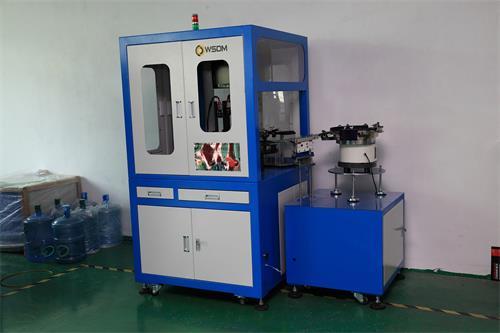
CCD (Charge-Coupled Device) visual inspection machines represent a significant advancement in the field of quality control. These sophisticated instruments utilize digital imaging technology to detect flaws in products with remarkable precision. By employing an array of sensors and advanced algorithms, CCD machines can analyze images in real-time, ensuring the utmost quality in manufacturing processes.
2. The Importance of Quality Control in Manufacturing
Quality control (QC) is paramount in any manufacturing environment. It not only ensures that products meet specified standards but also minimizes defects and enhances customer satisfaction. In today's competitive market, maintaining high-quality standards is essential for businesses to thrive. Implementing efficient QC processes can lead to reduced costs, increased productivity, and improved reputation. Here, CCD visual inspection machines significantly contribute to refining these processes.
3. Key Features of CCD Visual Inspection Machines
Understanding the features of CCD visual inspection machines can help businesses appreciate their value in quality control. Below are some of the standout attributes:
3.1 High-Resolution Imaging
One of the most critical features of CCD visual inspection machines is their ability to capture high-resolution images. This capability allows for the detection of even the smallest defects that could compromise product integrity. By utilizing high-quality lenses and sensors, these machines ensure that the images captured are clear and detailed, which is vital for accurate analysis.
3.2 Speed and Automation
In today's fast-paced manufacturing environments, speed is often as important as precision. CCD visual inspection machines are designed for rapid operation, significantly reducing inspection times compared to traditional methods. With automation capabilities, these machines can perform inspections continuously without the need for constant human intervention, thus increasing throughput and efficiency.
3.3 Data Analysis Capabilities
Modern CCD systems come equipped with sophisticated data analysis capabilities. They can store and analyze vast amounts of data, enabling manufacturers to track quality trends over time. This feature allows for proactive measures to be taken before defects escalate, thus enhancing overall quality assurance.
4. Enhancing Efficiency through CCD Visual Inspection
Using CCD visual inspection machines can greatly enhance operational efficiency in several ways:
4.1 Reducing Human Error
Human inspectors are prone to fatigue and oversight, leading to inconsistencies in quality control. CCD machines minimize these risks by providing consistent, objective analysis. Their reliability in detecting defects ensures that only products meeting quality standards are allowed to pass through the production line.
4.2 Streamlining Inspection Processes
Implementing CCD technology streamlines the entire inspection process. By automating routine inspections, manufacturers can reallocate human resources to more complex tasks that require critical thinking and problem-solving skills. This not only boosts overall productivity but also enhances employee satisfaction by enabling them to engage in more meaningful work.
5. Application Areas for CCD Visual Inspection Machines
CCD visual inspection machines find applications across various industries, each leveraging their capabilities for improved quality control:
5.1 Electronics Manufacturing
In electronics manufacturing, where precision is essential, CCD machines are invaluable. They inspect printed circuit boards (PCBs) for solder joint integrity, component placement accuracy, and other critical factors that contribute to device performance.
5.2 Automotive Industry
The automotive sector employs CCD visual inspection machines to ensure safety and compliance standards are met. These machines are instrumental in inspecting components such as sensors, electrical systems, and assembly processes, reducing the risk of defects and recalls.
5.3 Medical Device Production
Quality control in medical device manufacturing is non-negotiable. CCD visual inspection machines provide the necessary rigor for inspecting complex components, ensuring that devices are safe for patient use. Their accuracy helps manufacturers comply with stringent regulatory standards, ultimately enhancing patient safety.
6. Cost-Benefit Analysis of Implementing CCD Technology
Investing in CCD visual inspection machines can present significant upfront costs; however, the long-term benefits far outweigh these initial expenditures. When evaluating the cost-benefit ratio, consider the following points:
- **Reduction in Defect Rates**: By catching defects early, businesses can save on rework and scrap costs.
- **Increased Production Rates**: Faster inspection processes lead to higher throughput, allowing companies to meet consumer demand efficiently.
- **Improved Customer Satisfaction**: Consistently high-quality products enhance brand reputation, leading to repeat customers and increased sales.
Conducting a thorough cost-benefit analysis specific to your operations can demonstrate the potential return on investment (ROI) from implementing CCD visual inspection technology.
7. Future Trends in Visual Inspection Technology
As technology evolves, so does the landscape of visual inspection. Emerging trends include:
- **Integration with Artificial Intelligence (AI)**: Future CCD machines are likely to incorporate AI, allowing for smarter defect detection and adaptive learning capabilities.
- **Enhanced Connectivity**: IoT (Internet of Things) integration will enable machines to communicate data in real time, facilitating quicker decision-making processes in manufacturing environments.
- **Portable Inspection Systems**: The development of portable CCD inspection systems will allow for greater flexibility and adaptability in various production settings.
These trends indicate a promising future for CCD technology, enhancing its role in quality control further.
8. Common FAQs about CCD Visual Inspection Machines
**Q1: What is the primary function of CCD visual inspection machines?**
The primary function is to inspect products for defects using high-resolution imaging technology, ensuring that only high-quality products proceed through the production line.
**Q2: Can CCD machines be integrated into existing production lines?**
Yes, CCD visual inspection machines are designed to be easily integrated into existing production lines, enhancing current quality control processes.
**Q3: How do CCD machines reduce inspection times?**
They utilize automated image capture and analysis, allowing for rapid processing and detection of defects compared to manual inspections.
**Q4: What types of defects can CCD visual inspection machines detect?**
They can detect a wide range of defects, including physical flaws, misalignments, and inconsistencies in color or shape.
**Q5: Are CCD visual inspection machines suitable for small-scale operations?**
Yes, while they are often used in large-scale manufacturing, there are models designed for smaller operations that can still provide significant quality control benefits.
9. Conclusion
In conclusion, CCD visual inspection machines play a pivotal role in maximizing efficiency and ensuring quality control in various manufacturing sectors. Their high-resolution imaging, speed, and data analysis capabilities make them indispensable assets for modern production lines. The reduction of human error, streamlined inspection processes, and the ability to detect defects early contribute to enhanced operational efficiency and customer satisfaction. As technology progresses, the future of CCD visual inspection will only become more integral to quality assurance practices. Investing in this technology is not just a step towards modernization; it is a commitment to maintaining the highest standards in manufacturing excellence.
Contact Us
Ms. Lu: +86-18128878019
Phone: +86 0755-23199519
ADD : Room 302, 402, Building A, Xinpitou Industrial Zone, Kanghong Road, Xinqiang Community, Xinhu Street, Guangming New District, Shenzhen
Online Message
Our team will get in touch with you shortly, so keep an eye on your inbox




