

Maximizing Efficiency with CCD Glass Plate Screening Machines in Material Processing
2025-10-25


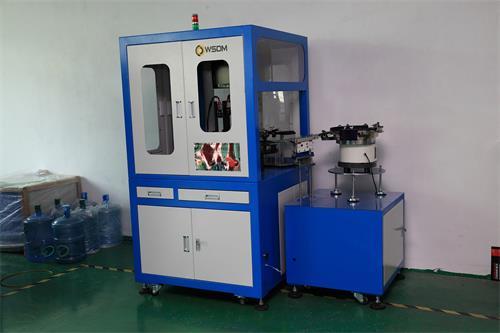
In the realm of manufacturing and processing machinery, the CCD glass plate screening machine stands out as a vital tool for enhancing the efficiency of material sorting and separation. These machines utilize advanced optical technology to provide precise and effective screening of various materials, including aggregates, minerals, and even recycling outputs.
At their core, CCD glass plate screening machines employ Charge-Coupled Device (CCD) technology to capture high-resolution images of materials as they pass through the screening process. This imaging technology enables the machine to identify and differentiate between various material types based on size, shape, and sometimes even color. By analyzing these images in real-time, the machine can efficiently separate unwanted materials from the desired product, ensuring that only the highest quality materials are processed further.
One of the key benefits of using CCD glass plate screening machines is their ability to significantly enhance operational efficiency. Traditional screening methods may rely on manual sorting or less sophisticated technology, which can be labor-intensive and prone to error. In contrast, CCD technology automates the screening process, allowing for faster throughput and reducing the need for manual intervention. This not only speeds up production times but also minimizes the risk of human error, leading to more consistent and reliable results.
Moreover, the precision offered by CCD glass plate screening machines contributes to improved quality control. By ensuring that only materials meeting specific criteria are allowed to pass through, manufacturers can maintain higher standards in product quality. This is particularly crucial in industries where material composition directly impacts the final product's performance, such as in construction or manufacturing of consumer goods.
Implementing a CCD glass plate screening machine in your processing line can also lead to cost savings over time. While the initial investment may seem substantial, the long-term benefits of increased efficiency, reduced labor costs, and enhanced product quality can outweigh these costs. Additionally, as these machines require less frequent maintenance and downtime compared to traditional systems, they can further optimize production schedules.
In summary, CCD glass plate screening machines represent a cutting-edge solution within the manufacturing and processing sector. Their ability to automate and refine the sorting and screening process not only improves efficiency but also bolsters quality control and ultimately enhances overall production capabilities. For businesses involved in material processing, investing in this technology can lead to substantial improvements in operational performance and product standards.
Contact Us
Ms. Lu: +86-18128878019
Phone: +86 0755-23199519
ADD : Room 302, 402, Building A, Xinpitou Industrial Zone, Kanghong Road, Xinqiang Community, Xinhu Street, Guangming New District, Shenzhen
Online Message
Our team will get in touch with you shortly, so keep an eye on your inbox




