

Navigating the Nuances of Aoi Automatic Optical Inspection: Essential Tips
2025-03-21


The Importance of Aoi Automatic Optical Inspection
In the fast-paced world of manufacturing, quality control is king. And when it comes to ensuring that every product meets stringent standards, Aoi Automatic Optical Inspection is a game changer. This technology not only speeds up the inspection process but also enhances accuracy, making it a vital tool in modern production lines.
What is Aoi Automatic Optical Inspection?
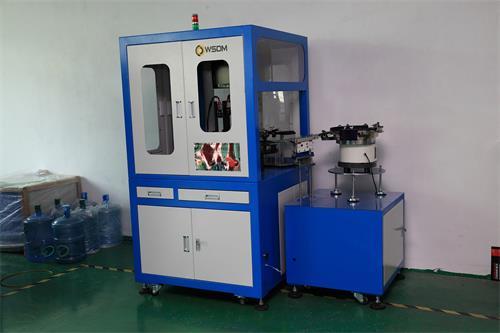
Alright, let’s break it down. Aoi Automatic Optical Inspection refers to a high-tech method used to visually inspect electronic components and assemblies. Think of it as a super-smart camera system that’s been trained to spot defects faster than you can say "quality assurance!" It uses advanced imaging techniques and artificial intelligence to ensure everything from solder joints to component placements are just right.
Why You Should Consider It
Here’s the kicker: implementing Aoi Automatic Optical Inspection can drastically reduce the likelihood of human error. Plus, it frees up your team to focus on more critical tasks. In other words, it’s a win-win! Not only does it save time and money, but it also boosts overall product quality.
Key Considerations When Using Aoi Automatic Optical Inspection
Now that you’re up to speed on what Aoi Automatic Optical Inspection is, let’s dive into some essential considerations to keep in mind when integrating this technology into your workflow.
1. Calibration is Crucial
First things first, make sure your system is calibrated correctly. A miscalibrated machine can lead to false negatives or positives, which can throw a wrench in your operation. So, take the time to ensure that your Aoi Automatic Optical Inspection system is spot on!
2. Understand Your Specifications
Next up, you’ve got to know your specs inside and out. What are the acceptable limits for your components? Without clear standards, your Aoi Automatic Optical Inspection system won’t know what to look for, and that’s just asking for trouble.
3. Continuous Training
Don't overlook the human element. Make sure your team is continuously trained on how to interpret the data from the Aoi Automatic Optical Inspection. This technology is powerful, but it’s only as good as the people using it. Regular training sessions can keep everyone sharp and ready to tackle any challenges.
4. Regular Maintenance
Just like any machine, regular maintenance is key to keeping your Aoi Automatic Optical Inspection system running smoothly. Schedule routine check-ups to prevent any hiccups down the line. Trust me, a little proactive care can save a lot of headaches!
5. Data Analysis
Lastly, don’t forget to analyze the data your Aoi Automatic Optical Inspection system gathers. This information is gold! Use it to identify trends, troubleshoot persistent issues, and inform your production strategies. It’s like having a crystal ball for your quality control!
Final Thoughts
So there you have it! By following these essential tips, you can enhance your quality control process with Aoi Automatic Optical Inspection. Embrace the technology, stay informed, and keep your operations running like a well-oiled machine. After all, in today’s competitive market, quality isn’t just an option; it’s a necessity!
Contact Us
Ms. Lu: +86-18128878019
Phone: +86 0755-23199519
ADD : Room 302, 402, Building A, Xinpitou Industrial Zone, Kanghong Road, Xinqiang Community, Xinhu Street, Guangming New District, Shenzhen
Online Message
Our team will get in touch with you shortly, so keep an eye on your inbox




