

Navigating the Nuances of Optical Inspection Equipment: Essential Considerations
2025-02-14


Understanding Optical Inspection Equipment
Hey there! If you’ve ever dabbled in quality control or manufacturing, you might have heard of optical inspection equipment. This nifty technology plays a crucial role in ensuring products meet stringent quality standards. But before you dive in, there are some essential things to keep in mind.
What Exactly Is Optical Inspection Equipment?
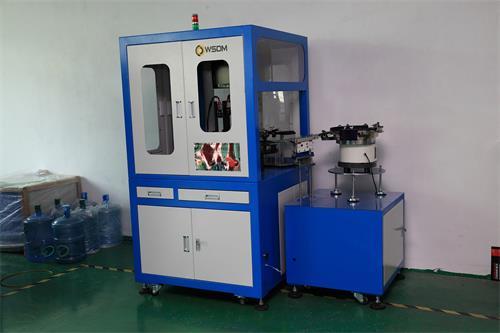
In the simplest terms, optical inspection equipment refers to tools and systems that use light to inspect and analyze objects. Think of it as your trusty magnifying glass but supercharged with modern tech! From cameras to lasers, these devices help detect anomalies that the naked eye might miss. Pretty cool, right?
Why It Matters
Using proper optical inspection equipment can save time, boost efficiency, and prevent costly errors. Imagine a world where every product that comes off the line is flawless. That’s the dream, folks!
Key Considerations When Using Optical Inspection Equipment
1. Calibration is Key
Now, let’s get down to the nitty-gritty. One of the first things to remember is the importance of calibration. If your equipment isn’t calibrated correctly, you might as well be using a potato for inspection! Regular maintenance and adjustments are essential for accurate results.
2. Lighting Conditions Matter
Ever tried to read a book in a dimly lit room? Frustrating, right? The same concept applies here—lighting plays a pivotal role in optical inspection. Too bright or too dim, and you’ll get skewed results. It’s all about finding that sweet spot.
3. Know Your Limits
Let’s face it: not every optical inspection tool is a one-size-fits-all solution. You’ve got to determine what you’re inspecting and select equipment tailored for the job. Whether it’s a PCB, a lens, or a complex component, the right tool makes all the difference.
4. Training Is Essential
Even the fanciest optical inspection equipment won’t do you a lick of good if your team doesn’t know how to use it! Invest in training sessions and workshops. Knowledge is power, folks, and in this case, it can also prevent costly mistakes.
Common Pitfalls to Avoid
1. Over-Reliance on Technology
While your equipment can be a star player, don’t forget the human factor! Over-relying on machines can lead to complacency. Always have a trained eye double-checking the work.
2. Ignoring Environmental Factors
Temperature, humidity, and dust can all impact the performance of your optical inspection equipment. Keep your workspace clean and controlled to ensure optimal functioning. Nobody wants a dust bunny messing up their results!
3. Neglecting Software Updates
Much like your phone, optical inspection systems need regular software updates to function at their best. These updates often include new features or fixes that can enhance performance. Stay ahead of the curve!
Final Thoughts
So there you have it! By keeping these considerations in mind, you can maximize the efficiency and accuracy of your optical inspection equipment. Embrace the technology, but don’t forget the human touch. Happy inspecting!
Contact Us
Ms. Lu: +86-18128878019
Phone: +86 0755-23199519
ADD : Room 302, 402, Building A, Xinpitou Industrial Zone, Kanghong Road, Xinqiang Community, Xinhu Street, Guangming New District, Shenzhen
Online Message
Our team will get in touch with you shortly, so keep an eye on your inbox




