

Revolutionizing Quality Control with Automatic Thread Inspection Equipment
2025-10-01


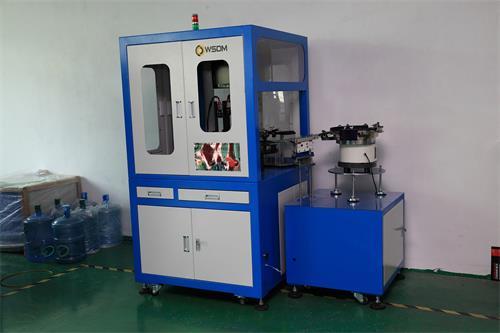
Automatic thread inspection equipment is designed to evaluate and analyze the threaded components used across various industries. This equipment utilizes advanced optical and mechanical techniques to ensure that the threads meet the specified standards for dimensional accuracy, surface finish, and functional performance. By automating this inspection process, manufacturers can achieve consistent results, minimize human error, and significantly reduce the time required for quality checks.
One of the primary benefits of automatic thread inspection equipment is its ability to perform high-speed inspections without compromising accuracy. Traditional manual inspection methods can be time-consuming and may lead to variability in results due to human factors. In contrast, automated systems are programmed to detect defects with precision, ensuring that every component adheres to the required specifications. This not only enhances product quality but also boosts overall production efficiency.
Moreover, the integration of such equipment into production lines contributes to cost savings. By identifying defects early in the manufacturing process, companies can reduce waste and avoid costly rework. This proactive approach to quality assurance allows for better resource management and helps maintain a competitive edge in the market.
Additionally, automatic thread inspection equipment can be equipped with data analysis capabilities. By collecting and analyzing inspection data, manufacturers can identify trends and patterns that may indicate systemic issues in their production processes. This data-driven insight enables continuous improvement and helps organizations implement corrective actions proactively, thereby fostering a culture of quality.
In industries where precision is critical, such as aerospace, automotive, and medical device manufacturing, the importance of reliable thread inspection cannot be overstated. Automatic thread inspection equipment ensures that threaded components function safely and effectively, reducing the risk of failures that could lead to catastrophic consequences.
In conclusion, integrating automatic thread inspection equipment into quality control processes represents a significant advancement in manufacturing technology. It not only enhances the accuracy and efficiency of inspections but also promotes a culture of quality and continuous improvement within organizations. As the demand for high-quality, reliable components continues to grow, investing in this technology will undoubtedly provide a competitive advantage for manufacturers committed to excellence.
Contact Us
Ms. Lu: +86-18128878019
Phone: +86 0755-23199519
ADD : Room 302, 402, Building A, Xinpitou Industrial Zone, Kanghong Road, Xinqiang Community, Xinhu Street, Guangming New District, Shenzhen
Online Message
Our team will get in touch with you shortly, so keep an eye on your inbox




