

Revolutionizing Recycling: The Role of Magnetic Material Optical Sorting Machines
2025-03-28


In an era where sustainability is paramount, the recycling industry has seen significant advancements in sorting technology. Optical sorting machines have emerged as pivotal tools in enhancing the efficiency of material recovery processes. These machines utilize advanced imaging technology to identify and separate materials based on their physical characteristics, thereby streamlining the recycling process.
The rise of magnetic material optical sorting machines represents a significant leap forward in this technology, offering enhanced capabilities to sort ferrous and non-ferrous materials with unparalleled accuracy. As the world grapples with its waste crisis, understanding the role of these machines in revolutionizing recycling is crucial.
2. Understanding Magnetic Material Optical Sorting Machines
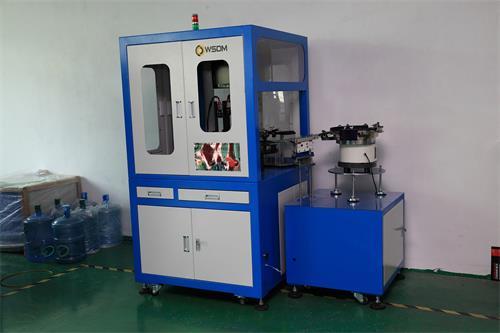
Magnetic material optical sorting machines are specialized equipment designed to efficiently separate metals from various waste streams. These machines combine optical sensors with magnetic separation technologies, allowing for a dual approach to material sorting. Their ability to quickly and accurately identify materials makes them indispensable in modern recycling facilities.
Unlike traditional sorting methods, which often rely on manual labor or basic mechanical systems, these advanced machines utilize sophisticated algorithms and machine learning to enhance sorting accuracy. By doing so, they minimize contamination and maximize the purity of recycled materials, supporting a more sustainable recycling ecosystem.
3. How Magnetic Material Optical Sorting Machines Work
Understanding how magnetic material optical sorting machines function requires a closer look at their core components and the technologies they employ.
3.1 Core Components of Optical Sorting Machines
At the heart of every optical sorting machine are several key components, including:
- Cameras and Sensors: High-resolution cameras capture images of materials as they pass through the sorting line. These images are analyzed in real-time to identify materials based on predefined characteristics, such as color, shape, and size.
- Lighting Systems: Advanced lighting systems enhance the visibility of materials, improving the accuracy of image capture. This is crucial for distinguishing between different types of materials, particularly in mixed waste streams.
- Sorting Mechanisms: After analysis, sorting mechanisms, often pneumatic or mechanical, are activated to separate the identified materials from the waste stream. Magnetic separators play a vital role in this process by attracting ferrous materials.
3.2 The Role of Magnetic Technology in Sorting
Magnetic technology significantly enhances the effectiveness of optical sorting machines. By using magnets, these machines can efficiently capture ferrous metals, such as steel and iron, from non-metallic waste. This capability is particularly valuable in recycling operations dealing with construction debris, electronic waste, and municipal solid waste. The dual sorting capability allows for better recovery rates and helps to ensure that recyclable materials are properly processed.
4. Benefits of Using Optical Sorting Machines in Recycling
The integration of magnetic material optical sorting machines into recycling processes brings numerous benefits to the industry.
4.1 Enhanced Sorting Accuracy
One of the most significant advantages of these machines is their ability to achieve a high level of sorting accuracy. Traditional sorting methods can lead to substantial human error and contamination. In contrast, optical sorting machines utilize advanced algorithms to ensure materials are sorted based on their specific properties, resulting in a cleaner end product.
4.2 Increased Efficiency in Material Recovery
Magnetic material optical sorting machines can process materials at a rapid pace, significantly boosting the efficiency of recycling operations. The ability to handle large volumes of waste quickly ensures that more materials are recovered and diverted from landfills, thereby enhancing overall recycling rates.
4.3 Reduction of Contaminants in Recyclables
By utilizing sophisticated imaging and sorting technologies, these machines effectively reduce the amount of contaminants within recycled materials. This results in a higher quality recyclable product, which is essential for manufacturers relying on recycled materials as feedstock.
5. Applications of Magnetic Material Optical Sorting Machines
These machines are versatile and can be employed in various recycling contexts, including:
5.1 Municipal Waste Recycling
In municipal waste facilities, magnetic material optical sorting machines are instrumental in managing mixed waste streams. They can quickly separate metals from plastics and organic materials, ensuring that recyclables are efficiently processed.
5.2 Industrial Scrap Recycling
For industrial operations, these sorting machines streamline the recovery of valuable metals from scrap materials. This capability helps businesses reduce waste disposal costs and supports sustainable practices.
5.3 E-Waste Recycling
The recycling of electronic waste (e-waste) poses unique challenges due to the variety of materials involved. Magnetic material optical sorting machines can effectively identify and separate metals from plastics and other components, making e-waste recycling more efficient.
6. Challenges and Limitations of Current Optical Sorting Technology
Despite their many advantages, magnetic material optical sorting machines are not without challenges. One limitation is the initial capital investment required for these advanced systems. Additionally, maintaining and operating these machines requires skilled personnel, which can pose challenges for some recycling facilities. Furthermore, while the technology is continually evolving, it may face difficulties in sorting complex materials or those that do not have distinct visual characteristics.
7. Future Trends in Magnetic Material Optical Sorting Machines
As technology continues to advance, the future of magnetic material optical sorting machines looks promising. Key trends include:
- Integration of Artificial Intelligence: AI technology will likely play a more prominent role in enhancing sorting accuracy and efficiency, enabling machines to learn and adapt over time.
- Improved Sensor Technologies: The development of more sophisticated sensors will allow for even better identification of materials, further refining the sorting process.
- Sustainability Focus: As the world shifts towards greener practices, the demand for efficient recycling technologies will continue to grow, making these machines vital for future recycling efforts.
8. Conclusion
The role of magnetic material optical sorting machines in revolutionizing recycling cannot be overstated. By enhancing sorting accuracy, increasing efficiency, and reducing contaminants, these machines are paving the way for a more sustainable future. As technology continues to evolve, we can expect even greater advancements that will further improve the recycling process, helping to conserve resources and reduce waste. As industries and municipalities look to enhance their recycling efforts, integrating these machines will be essential in meeting sustainability goals
Contact Us
Ms. Lu: +86-18128878019
Phone: +86 0755-23199519
ADD : Room 302, 402, Building A, Xinpitou Industrial Zone, Kanghong Road, Xinqiang Community, Xinhu Street, Guangming New District, Shenzhen
Online Message
Our team will get in touch with you shortly, so keep an eye on your inbox




