

Seeing the Future: A Dive into Optical Inspection Equipment
2025-02-08


Introduction to Optical Inspection Equipment
Hey there! Have you ever wondered how manufacturers ensure that every single product meets the highest quality standards? Well, buckle up, because we're about to delve into the fascinating realm of optical inspection equipment. This nifty technology not only boosts efficiency but also enhances accuracy in product inspections, making it a game-changer in various industries.
What is Optical Inspection Equipment?
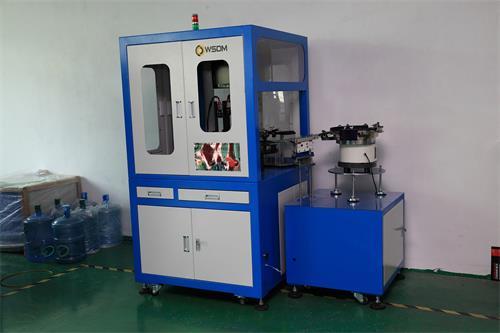
Simply put, optical inspection equipment is a type of technology that uses light and imaging techniques to analyze and assess products for quality. Think of it as a high-tech pair of glasses that can spot defects invisible to the naked eye. This equipment comes in various forms, including cameras, lasers, and specialized software, all working together to ensure everything is just right.
How Does It Work?
Now, you might be scratching your head, wondering how exactly this optical wizardry operates. The magic lies in its ability to capture detailed images of products and analyze them in real-time. Most systems employ advanced algorithms that can identify anomalies, measure dimensions, and even check for surface imperfections. It’s like having a super-sleuth on the factory floor!
The Components of Optical Inspection Equipment
- Cameras: These high-resolution devices capture images of products from various angles.
- Lighting: Proper illumination is crucial, as it helps highlight defects that might otherwise go unnoticed.
- Software: The brain behind the operation, this software processes the images and analyzes the data.
- Data Storage: All that information needs a place to live, so robust storage solutions are a must!
Why Use Optical Inspection Equipment?
Great question! The benefits are plenty, and here are just a few:
- Increased Accuracy: Human errors are minimized, leading to more reliable inspections.
- Higher Efficiency: Inspections can be done quickly, reducing downtime and speeding up production.
- Cost-Effective: While the initial investment might be significant, the long-term savings are undeniable. Less waste means more profit!
- Versatility: Whether it’s automotive parts, electronics, or pharmaceuticals, optical inspection equipment can be tailored to fit various industries.
Common Applications
From assembly lines to quality control labs, optical inspection equipment is everywhere! Here are a few common applications:
- Electronics Manufacturing: Ensures the precision of circuit boards and components.
- Automotive Industry: Checks for defects in parts and assemblies.
- Pharmaceuticals: Verifies the integrity of packaging and labeling.
Challenges and Considerations
While the perks are fantastic, it’s not all sunshine and rainbows. Implementing optical inspection equipment can pose some challenges:
- Initial Setup Costs: The upfront investment can be hefty, so companies need to weigh their options.
- Training: Staff must be trained to operate the equipment effectively, which can take time and resources.
- Maintenance: Regular upkeep is essential to ensure continued performance and reliability.
The Future of Optical Inspection
As technology continues to evolve, so does optical inspection equipment. The integration of AI and machine learning is paving the way for smarter systems that can learn and adapt over time. Imagine an inspection system that not only detects issues but also predicts potential problems before they occur! Now, that’s what we call forward-thinking!
Conclusion
In conclusion, optical inspection equipment is revolutionizing the way industries handle quality control. With its precise, efficient, and versatile capabilities, it’s no wonder that more companies are hopping on the optical bandwagon. So, whether you're a manufacturer or just someone curious about modern technology, understanding this equipment is key to appreciating the intricate details behind the products we use every day. Cheers to a clearer, more accurate future!
Contact Us
Ms. Lu: +86-18128878019
Phone: +86 0755-23199519
ADD : Room 302, 402, Building A, Xinpitou Industrial Zone, Kanghong Road, Xinqiang Community, Xinhu Street, Guangming New District, Shenzhen
Online Message
Our team will get in touch with you shortly, so keep an eye on your inbox




