

The Essential Role of CCD Visual Inspection in Modern Manufacturing
2025-04-15


Understanding CCD Visual Inspection
When it comes to manufacturing, quality is king. That's where CCD Visual Inspection struts its stuff! This process employs Charge-Coupled Device (CCD) technology to scrutinize products with laser-like precision. But what exactly does this entail? Buckle up as we delve into the intricacies of this vital inspection method!
The Basics of CCD Technology
At its core, CCD Visual Inspection utilizes light-sensitive sensors that capture images with remarkable clarity. This technology has evolved over the years, paving the way for automated systems that can detect defects faster than you can say "quality assurance!" With the ability to analyze images pixel by pixel, CCD systems ensure that products meet stringent quality standards.
Why is It a Game Changer?
Imagine this: You're in a bustling factory, and thousands of products are rolling off the assembly line. One tiny flaw could lead to catastrophic failures down the line. Enter CCD visual inspection, the unsung hero of the manufacturing world! This process dramatically reduces human error and increases inspection speed, keeping production lines flowing smoothly.
How Does It Work?
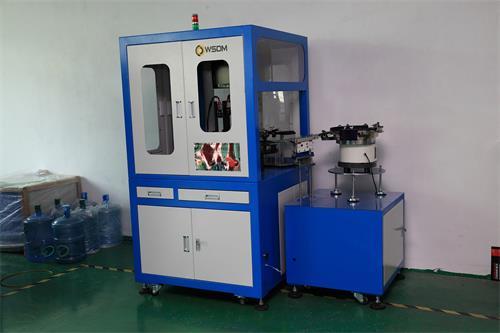
So, how does this high-tech wizardry actually work? Well, CCD cameras capture images of items in real-time, analyzing them against pre-set criteria. If a product fails to meet the standards, the system flags it for further inspection or removal. It’s like having a vigilant watchdog guarding quality control, ensuring that only the best products hit the market!
Benefits of CCD Visual Inspection
Let’s break it down, shall we? The benefits of implementing CCD Visual Inspection in manufacturing are numerous:
- Speed: Automated systems can inspect products much faster than human eyes.
- Accuracy: With pixel-level analysis, the chances of missing a defect are slim to none.
- Cost-Effectiveness: Reducing defects translates to less waste and more profit.
- Consistency: Machines don’t get tired, ensuring uniform inspection quality.
Applications Across Industries
From electronics to food production, CCD Visual Inspection is versatile! It’s used to inspect everything from circuit boards to packaged goods, providing peace of mind across various sectors. For instance, in the automotive industry, it can check for the integrity of components before they’re assembled, while in pharmaceuticals, it ensures that packaging is intact and labels are correct.
Real-World Examples
Take the automotive giant Toyota, for example. They’ve integrated CCD technology into their production lines to minimize errors and maximize efficiency. Similarly, in the electronics sector, companies like Samsung are leveraging this technology to maintain their reputation for quality.
Challenges and Considerations
Of course, no technology is without its hurdles. Implementing CCD Visual Inspection can be a hefty investment, and training staff to work with these systems is essential. Moreover, maintaining the equipment is crucial for ensuring it operates at peak performance.
The Future of Visual Inspection
As technology continues to advance, the future of CCD Visual Inspection looks brighter than ever! With AI integration on the horizon, we can expect even more sophisticated inspection systems that will further enhance quality control in manufacturing. Who knows? We might even see machines that can learn from their inspections, evolving to detect new kinds of defects!
Conclusion
In the fast-paced world of manufacturing, ensuring product quality is paramount, and CCD Visual Inspection stands at the forefront of this mission. With its unmatched speed, accuracy, and consistency, it's no wonder that industries across the globe are embracing this technology. So, whether you’re a manufacturer or a consumer, rest easy knowing that CCD visual inspection is working tirelessly behind the scenes to keep quality in check!
Contact Us
Ms. Lu: +86-18128878019
Phone: +86 0755-23199519
ADD : Room 302, 402, Building A, Xinpitou Industrial Zone, Kanghong Road, Xinqiang Community, Xinhu Street, Guangming New District, Shenzhen
Online Message
Our team will get in touch with you shortly, so keep an eye on your inbox




