

The Future of Optical Inspection: Innovations in AOI Technology
2025-10-22


The Future of Optical Inspection: Innovations in AOI Technology
Introduction to Optical Inspection Technology
In the fast-paced world of manufacturing, the need for precision and reliability is paramount. Optical inspection technology, particularly Automated Optical Inspection (AOI), plays a crucial role in ensuring quality control. By employing sophisticated imaging techniques, AOI systems analyze products at various stages of production. This article explores the future of AOI technology and the innovations that are driving the industry forward.
Understanding AOI Technology
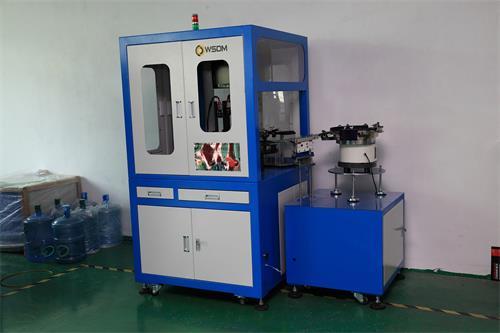
Automated Optical Inspection is a non-contact inspection method that utilizes light to capture images of printed circuit boards (PCBs) and other components. **AOI systems** are designed to detect defects, such as soldering issues and component misplacements, with high precision. These systems enhance quality assurance and facilitate the seamless operation of modern manufacturing processes.
The Evolution of AOI Technology
Over the years, AOI technology has evolved significantly. From basic imaging systems to cutting-edge solutions, advancements have been fueled by the demand for higher accuracy, speed, and efficiency. Early AOI systems primarily relied on 2D imaging, while modern systems incorporate 3D imaging and machine learning algorithms.
From 2D to 3D: A Paradigm Shift in Inspection
The shift from 2D to 3D imaging has been transformative. **3D AOI systems** provide a more comprehensive view of electronic components, allowing for the detection of defects that 2D systems may miss. This evolution not only improves accuracy but also reduces false positives, ensuring manufacturers deliver defect-free products.
Key Innovations in AOI Technology
The future of AOI technology is bright, with numerous innovations emerging that promise to enhance performance and efficiency. Here are some of the most significant advancements shaping the industry.
Artificial Intelligence and Machine Learning Integration
Artificial intelligence (AI) is revolutionizing AOI systems. By integrating machine learning algorithms, AOI systems can learn from historical data, improving their defect detection capabilities over time. This leads to reduced inspection times and enhanced accuracy.
Real-Time Data Analysis
With AI-powered AOI systems, real-time data analysis becomes a reality. Manufacturers can monitor production quality instantaneously, allowing for immediate corrective actions. This responsiveness minimizes downtime and enhances overall production efficiency.
High-Resolution Imaging Technologies
Innovations in imaging technology, such as **high-resolution cameras** and advanced lighting techniques, enable AOI systems to capture intricate details of components. These advancements enhance the detection of micro-defects, which is critical in high-density electronic assemblies.
Multispectral Imaging
Multispectral imaging is another breakthrough in AOI technology. By capturing images across various wavelengths, AOI systems can reveal features invisible to the naked eye. This capability is particularly useful in identifying defects related to material composition and surface irregularities.
Applications of Advanced AOI Technology
The innovations in AOI technology have broadened the scope of its applications across various industries. Here are some sectors that are benefiting from these advancements.
Electronics Manufacturing
In electronics manufacturing, AOI technology is indispensable. It ensures that PCBs are produced to the highest standards by detecting defects early in the production process. As electronic devices become more complex, the demand for sophisticated AOI systems will only continue to grow.
Automotive Industry
The automotive sector relies heavily on precise optical inspection for components such as sensors and circuit boards. Advanced AOI technology enables manufacturers to maintain safety and performance standards, ultimately leading to higher-quality vehicles.
Medical Device Manufacturing
In the realm of medical devices, the stakes are incredibly high. AOI technology plays a critical role in ensuring that devices meet strict regulatory standards. With advanced inspection capabilities, manufacturers can produce reliable and safe medical products.
The Benefits of Innovations in AOI Technology
The advancements in AOI technology offer a multitude of benefits to manufacturers. Here’s how these innovations create value.
Improved Accuracy and Precision
With the integration of AI and high-resolution imaging, the accuracy of defect detection in AOI systems has improved dramatically. This precision ensures that manufacturers can trust their inspection processes, leading to reduced rework and enhanced product quality.
Increased Efficiency and Productivity
Advanced AOI systems streamline the inspection process, allowing for faster throughput without sacrificing quality. This efficiency translates to lower operational costs and the ability to meet increased production demands.
Cost Reduction
By catching defects early in the manufacturing process, AOI technology helps reduce waste and rework, leading to significant cost savings. The initial investment in advanced AOI systems can quickly be offset by the reduction in production costs.
Challenges Facing the AOI Industry
Despite the promising advancements, the AOI industry also faces challenges that need to be addressed.
Integration with Existing Systems
Integrating new AOI systems with legacy manufacturing processes can be challenging. Manufacturers must ensure that new technologies can seamlessly fit into their existing workflows without disrupting production.
Keeping Up with Rapid Technological Changes
The pace of technological advancement in the AOI field can be overwhelming. Manufacturers must stay informed and be willing to invest in continuous upgrades to keep pace with industry demands.
The Future of AOI Technology
As we look to the future, the potential for AOI technology is vast. Continuous innovations will likely lead to even more sophisticated systems capable of handling increasingly complex manufacturing environments.
Enhanced Automation and Robotics
Future AOI systems will likely incorporate more advanced robotics and automation. This will further streamline inspection processes, allowing for greater flexibility and adaptability in manufacturing environments.
Cloud-Based Solutions
Cloud technology will also play a significant role in the future of AOI. By leveraging cloud computing, manufacturers can analyze inspection data more effectively, leading to improved decision-making and enhanced quality control.
Conclusion
The future of optical inspection, particularly through innovations in AOI technology, is poised for remarkable growth. As manufacturers continue to seek higher standards of quality, the advancements discussed will become essential components of the production process. By embracing these innovations, industries across the globe can improve efficiency, reduce costs, and ultimately ensure their place in an increasingly competitive market.
FAQs
What is Automated Optical Inspection (AOI)?
Automated Optical Inspection (AOI) is a non-contact inspection method that uses light and imaging techniques to detect defects in electronic components and assemblies.
How does AI enhance AOI technology?
AI enhances AOI technology by allowing systems to learn from historical data, improving defect detection capabilities and enabling real-time data analysis.
What industries benefit from AOI systems?
Industries such as electronics manufacturing, automotive, and medical device manufacturing benefit significantly from AOI systems due to their precision and efficiency.
What are the advantages of 3D AOI systems over 2D systems?
3D AOI systems provide comprehensive views of components, enabling the detection of defects that 2D systems may miss and reducing false positives.
What challenges does the AOI industry face?
The AOI industry faces challenges such as integrating new systems with existing processes and keeping up with rapid technological advancements.
Contact Us
Ms. Lu: +86-18128878019
Phone: +86 0755-23199519
ADD : Room 302, 402, Building A, Xinpitou Industrial Zone, Kanghong Road, Xinqiang Community, Xinhu Street, Guangming New District, Shenzhen
Online Message
Our team will get in touch with you shortly, so keep an eye on your inbox




