

Unlocking Precision: The Benefits of AOI Visual Inspection Equipment
2025-04-13


Unlocking Precision: The Benefits of AOI Visual Inspection Equipment
Table of Contents
1. Introduction to AOI Visual Inspection Equipment
2. The Importance of Precision in Optical Manufacturing
3. Key Features of AOI Visual Inspection Equipment
3.1 High-Resolution Imaging
3.2 Advanced Algorithms for Defect Detection
3.3 Flexibility in Inspection
4. Comparative Advantages of AOI Over Traditional Inspection Methods
5. The Role of AOI in Enhancing Manufacturing Efficiency
6. Implementation Considerations for AOI Systems
6.1 Cost vs. Benefit Analysis
6.2 Training and Skill Development
7. Future Trends in AOI Technology
8. Frequently Asked Questions (FAQs)
9. Conclusion
1. Introduction to AOI Visual Inspection Equipment
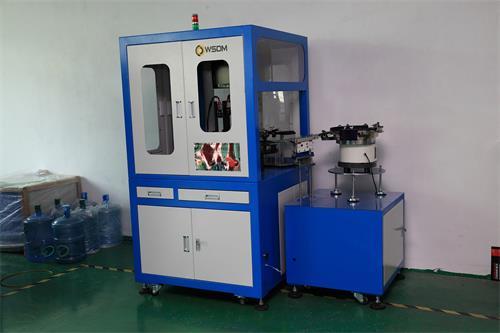
In the world of optical manufacturing, the need for precision cannot be overstated. **Automated Optical Inspection (AOI)** equipment has emerged as a critical technology that enhances quality assurance processes. By employing high-resolution imaging and sophisticated algorithms, AOI systems can detect even the most subtle defects in optical lenses and related instruments. This article delves into the significant benefits of implementing AOI visual inspection equipment in manufacturing settings, underscoring how it addresses the industry's demand for accuracy and efficiency.
2. The Importance of Precision in Optical Manufacturing
The manufacturing of optical instruments and lenses requires not only advanced technology but also a commitment to precision. Small discrepancies in the production process can lead to significant performance issues in the final product. For optical lenses, imperfections can result in poor image quality, loss of resolution, and compromised functionality. Therefore, ensuring each component meets strict standards is vital for maintaining product integrity and customer satisfaction. AOI technology plays a crucial role in this process, providing manufacturers with the tools they need to uphold high-quality standards in production.
3. Key Features of AOI Visual Inspection Equipment
3.1 High-Resolution Imaging
One of the standout features of AOI visual inspection equipment is its **high-resolution imaging capability**. Utilizing cutting-edge cameras and sensors, AOI systems can capture detailed images of the optical components being inspected. This high level of detail allows for precise identification of even the most minute defects, ensuring that manufacturers can maintain their quality standards without compromise.
3.2 Advanced Algorithms for Defect Detection
In addition to high-resolution imaging, AOI systems employ **advanced algorithms** that enhance defect detection capabilities. These algorithms are designed to analyze images rapidly, identifying anomalies such as scratches, chips, or misalignments with exceptional accuracy. The use of machine learning and artificial intelligence further improves the system's ability to learn from past inspections, making it increasingly effective over time.
3.3 Flexibility in Inspection
AOI visual inspection equipment offers remarkable **flexibility** in terms of the types of components it can evaluate. From simple lenses to complex assemblies, these systems can be customized to meet the specific needs of various manufacturing processes. This adaptability allows manufacturers to incorporate AOI into their production lines seamlessly, regardless of their current technologies.
4. Comparative Advantages of AOI Over Traditional Inspection Methods
Traditional inspection methods, often reliant on human judgment, present several limitations. These methods can be subject to errors due to fatigue, varying skill levels, and the inability to detect minute defects. In contrast, AOI systems provide a more objective and reliable assessment of products. Key comparative advantages include:
- **Increased Speed**: AOI systems can process images and detect defects at a much faster rate than manual inspections, significantly reducing cycle times.
- **Consistency**: Automated systems deliver consistent results, minimizing the variability observed in manual processes.
- **Comprehensive Data**: AOI technology can generate detailed reports on defects, providing manufacturers with valuable insights into production quality and areas needing improvement.
5. The Role of AOI in Enhancing Manufacturing Efficiency
Implementing AOI visual inspection equipment contributes to **enhanced manufacturing efficiency** in multiple ways. By reducing the time spent on inspections and increasing the accuracy of defect detection, manufacturers can streamline their production processes. This increased efficiency not only leads to cost savings but also allows for quicker turnaround times, enabling companies to meet customer demands more effectively.
Moreover, the reduction in defect rates results in fewer rework instances, leading to lower material waste and a more sustainable production cycle. This dual benefit of efficiency and sustainability positions AOI technology as a valuable investment for manufacturers.
6. Implementation Considerations for AOI Systems
While the benefits of AOI visual inspection equipment are clear, manufacturers must consider several factors when implementing these systems:
6.1 Cost vs. Benefit Analysis
Investing in AOI technology requires a thorough **cost vs. benefit analysis**. Manufacturers should evaluate the initial investment against potential savings from reduced defect rates and enhanced operational efficiency. Calculating the return on investment (ROI) can help companies make informed decisions about adopting AOI systems.
6.2 Training and Skill Development
Successful implementation of AOI systems also hinges on adequate **training and skill development** for personnel. Employees must be trained not only to operate the equipment but also to interpret the data it generates. Investing in comprehensive training programs ensures that manufacturers can fully leverage the capabilities of their AOI systems.
7. Future Trends in AOI Technology
The landscape of AOI technology is continuously evolving, with several trends anticipated to shape its future. Key developments to watch include:
- **Integration with Industry 4.0**: As manufacturing embraces Industry 4.0 principles, AOI systems will increasingly integrate with smart technologies, enabling real-time monitoring and data analysis.
- **Enhanced Machine Learning Models**: Ongoing advancements in machine learning will lead to more sophisticated algorithms that can improve defect detection rates and adapt to new inspection challenges.
- **Cost Reduction through Innovation**: As technology matures, the cost of AOI systems is expected to decrease, making these solutions more accessible to a broader range of manufacturers.
8. Frequently Asked Questions (FAQs)
What is AOI visual inspection equipment?
AOI visual inspection equipment uses automated technology to inspect optical components for defects, enhancing quality assurance processes in manufacturing.
How does AOI differ from manual inspection?
AOI systems provide faster, more consistent, and more objective inspections than manual methods, which can be prone to human error.
What industries benefit from AOI technology?
AOI technology is widely used in industries such as electronics, automotive, and optical manufacturing, where precision and quality are paramount.
Can AOI systems be customized for specific manufacturing needs?
Yes, AOI systems are highly flexible and can be tailored to meet the unique inspection requirements of various manufacturing processes.
What advancements can we expect in AOI technology?
Future advancements in AOI technology will likely include better integration with smart manufacturing systems, enhanced machine learning capabilities, and reduced costs.
9. Conclusion
In conclusion, **Automated Optical Inspection (AOI)** visual inspection equipment represents a transformative solution for manufacturers in the optical industry. By delivering unmatched precision, speed, and reliability, AOI systems enhance overall quality assurance processes and contribute to greater manufacturing efficiency. As technology continues to advance, the adoption of AOI will likely become even more critical for maintaining competitive advantages in a demanding market. Embracing this technology not only ensures higher quality products but also positions manufacturers for success in the ever-evolving landscape of optical instrument production.
Contact Us
Ms. Lu: +86-18128878019
Phone: +86 0755-23199519
ADD : Room 302, 402, Building A, Xinpitou Industrial Zone, Kanghong Road, Xinqiang Community, Xinhu Street, Guangming New District, Shenzhen
Online Message
Our team will get in touch with you shortly, so keep an eye on your inbox




