

Unlocking Precision: The Role of Aoi Automatic Optical Inspection in Modern Industries
2025-03-16


Introduction
In today's fast-paced manufacturing world, ensuring top-notch quality is more critical than ever. Enter Aoi Automatic Optical Inspection, a game-changer that has transformed the landscape of quality control. So, what’s the big deal? Well, let’s dive into the nitty-gritty of how this cutting-edge technology is reshaping industries!
What is Aoi Automatic Optical Inspection?
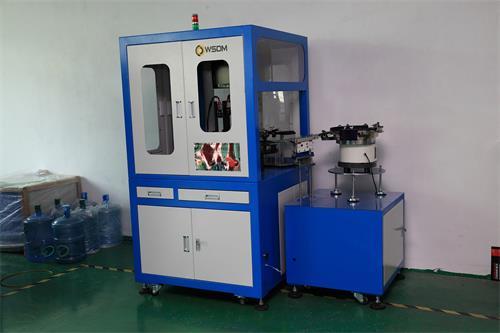
At its core, Aoi Automatic Optical Inspection is all about using advanced camera systems to scrutinize products for defects. It’s like having a hawk-eyed supervisor on the factory floor—only faster and more efficient! This technology employs sophisticated algorithms to detect faults in circuits, components, and other manufacturing outputs. Talk about precision!
Why It Matters
Imagine this: you’re producing thousands of electronic devices daily. Each tiny defect can lead to significant problems down the line, not to mention customer dissatisfaction. With Aoi Automatic Optical Inspection, manufacturers can catch these issues before they escalate. It’s a win-win situation!
Applications Across Industries
From electronics to automotive, the applications of Aoi Automatic Optical Inspection are vast. Let’s break it down:
- Electronics: Used extensively in PCB assembly, this technology ensures that every solder joint and component is in place.
- Aerospace: In an industry where safety is paramount, Aoi ensures that every part meets stringent quality standards.
- Food Packaging: Even in the food industry, Aoi technology helps detect issues with packaging integrity, preventing costly recalls.
The Benefits
Now, you might be wondering, what’s in it for manufacturers? Let’s list a few perks:
- Increased Efficiency: Automated inspections mean faster production cycles.
- Cost Savings: By catching defects early, companies save money on returns and repairs.
- Consistent Quality: Say goodbye to human error! Aoi provides consistent results every time.
Challenges in Implementation
Of course, it’s not all sunshine and rainbows. Implementing Aoi Automatic Optical Inspection can pose challenges:
- Initial Costs: The upfront investment can be steep, which might make some companies hesitant.
- Training Needs: Employees may require training to operate and maintain these sophisticated systems.
- Integration: Merging new technology with existing processes can be a tricky endeavor.
Navigating the Challenges
But fear not! Overcoming these challenges is possible. Companies can start small, perhaps by implementing Aoi in one area of production before rolling it out across the board. It’s all about taking baby steps!
The Future of Aoi Automatic Optical Inspection
Looking ahead, the future of Aoi Automatic Optical Inspection is bright. With advancements in AI and machine learning, we’re likely to see even more sophisticated systems that can adapt and learn from their experiences. Imagine a world where machines not only detect defects but also predict them!
Conclusion
In a nutshell, Aoi Automatic Optical Inspection is reshaping the quality control landscape one inspection at a time. By leveraging this technology, industries can ensure quality, save costs, and keep customers happy. So, if you’re in the manufacturing game, it might be time to hop on the Aoi bandwagon!
Contact Us
Ms. Lu: +86-18128878019
Phone: +86 0755-23199519
ADD : Room 302, 402, Building A, Xinpitou Industrial Zone, Kanghong Road, Xinqiang Community, Xinhu Street, Guangming New District, Shenzhen
Online Message
Our team will get in touch with you shortly, so keep an eye on your inbox




