

Unlocking Precision: The Role of CCD Optical Image Screening Machines in China
2025-01-24


Unlocking Precision: The Role of CCD Optical Image Screening Machines in China
Table of Contents
1. Introduction to CCD Optical Image Screening Machines
2. Understanding the Technology Behind CCD Screening Machines
3. The Importance of Precision in Manufacturing
4. Applications of CCD Optical Image Screening Machines in Various Industries
4.1. The Role in Food and Beverage Manufacturing
4.2. Utilizing CCD Screening in Electronics Manufacturing
4.3. Impact on Pharmaceutical Production
5. Advantages of Using CCD Optical Image Screening Machines
5.1. Enhanced Quality Control
5.2. Increased Operational Efficiency
5.3. Cost-Effectiveness Over Time
6. The Market Landscape for CCD Screening Machines in China
7. Challenges and Solutions in Implementing CCD Technology
8. Future Trends in CCD Optical Image Screening Technology
9. Frequently Asked Questions (FAQs)
10. Conclusion
1. Introduction to CCD Optical Image Screening Machines
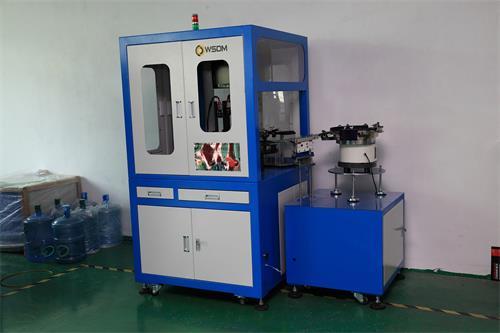
In the rapidly evolving world of manufacturing, precision is paramount. **CCD optical image screening machines** have emerged as a pivotal technology, enabling manufacturers in China to enhance their production quality and efficiency. These machines utilize advanced **charge-coupled device (CCD)** technology to capture high-resolution images of products, ensuring that only those meeting stringent quality standards proceed along the production line. This introduction sets the stage for a deeper exploration of the technology, its applications, and its impact on the industry.
2. Understanding the Technology Behind CCD Screening Machines
CCD optical image screening machines leverage the principles of optics and electronics to achieve remarkable precision. At the core of these machines is the **CCD sensor**, which converts light into electronic signals. This process involves capturing images at high speeds, allowing for real-time assessment of products. The sophisticated algorithms integrated into these machines analyze the images for defects, ensuring that any subpar products are quickly identified and removed from the assembly line. This technological prowess enables manufacturers to maintain exceptionally high standards of quality control.
3. The Importance of Precision in Manufacturing
Precision in manufacturing is not merely a goal; it is a necessity. In an era where consumer expectations are higher than ever, companies cannot afford to compromise on quality. **CCD optical image screening machines** play a critical role in achieving this precision. By providing detailed, accurate inspections, these machines help in minimizing waste, reducing rework, and improving overall operational effectiveness. The result is a streamlined production process that meets customer demands and enhances brand reputation.
4. Applications of CCD Optical Image Screening Machines in Various Industries
The versatility of CCD optical image screening machines allows them to be applied across a multitude of industries.
4.1. The Role in Food and Beverage Manufacturing
In the food and beverage sector, ensuring product quality is crucial for consumer safety and satisfaction. CCD screening machines are utilized to inspect the appearance, size, and shape of food items, detecting defects that could indicate contamination or spoilage. This application not only ensures compliance with health regulations but also enhances the overall quality of products delivered to consumers.
4.2. Utilizing CCD Screening in Electronics Manufacturing
The electronics industry demands extreme precision in its components. CCD optical image screening machines are employed to inspect circuit boards and other electronic parts, identifying misalignments, soldering defects, and other issues that could compromise functionality. By ensuring that only defect-free components move forward in the production process, manufacturers can significantly reduce the likelihood of product failures.
4.3. Impact on Pharmaceutical Production
In pharmaceutical manufacturing, the stakes are exceptionally high. CCD screening machines help verify the integrity of packaging, ensuring that labels are correctly placed and that the product's appearance meets regulatory standards. This application is vital not only for compliance but also for maintaining the trust of consumers in the healthcare sector.
5. Advantages of Using CCD Optical Image Screening Machines
Investing in CCD optical image screening machines offers several advantages that can greatly benefit manufacturers.
5.1. Enhanced Quality Control
These machines provide unparalleled precision in quality control, enabling manufacturers to identify defects that might go unnoticed with traditional inspection methods. This leads to higher product reliability and increased customer satisfaction.
5.2. Increased Operational Efficiency
By integrating CCD screening technology, companies can streamline their production processes. The automation of image inspection reduces the need for manual checks, allowing staff to focus on more complex tasks while ensuring rapid product throughput.
5.3. Cost-Effectiveness Over Time
Although the initial investment in CCD optical image screening machines may be significant, the long-term benefits far outweigh the costs. Improved quality control leads to fewer returns and lower scrap rates, ultimately resulting in cost savings for manufacturers.
6. The Market Landscape for CCD Screening Machines in China
China's manufacturing sector is vast and diverse, providing a fertile ground for the adoption of **CCD optical image screening machines**. As the demand for high-quality products continues to grow, manufacturers are increasingly recognizing the value of this technology. Various sectors—including automotive, electronics, and food processing—are driving the demand for sophisticated screening solutions. The growing emphasis on automation and Industry 4.0 principles is further propelling the market for CCD technology, positioning it as a cornerstone of modern manufacturing.
7. Challenges and Solutions in Implementing CCD Technology
While the benefits of CCD optical image screening machines are compelling, manufacturers may face challenges during implementation. These challenges include the initial cost, the need for staff training, and potential integration issues with existing systems. However, these can be addressed through strategic planning, including phased implementations and comprehensive training programs for employees. Collaborating with technology providers can also ease the transition, ensuring that manufacturers maximize the potential of their CCD screening systems.
8. Future Trends in CCD Optical Image Screening Technology
The future of CCD optical image screening technology promises exciting advancements. Emerging trends include the integration of artificial intelligence (AI) to enhance image analysis and decision-making processes. Furthermore, miniaturization of CCD sensors will enable their application in smaller, more complex products, broadening the scope of industries that can benefit from this technology. As manufacturers continue to seek ways to enhance efficiency and quality, the evolution of CCD screening technology will play a pivotal role.
9. Frequently Asked Questions (FAQs)
What is a CCD optical image screening machine?
A CCD optical image screening machine is a device that uses charge-coupled device technology to capture high-resolution images of products for quality control inspections.
How does CCD technology improve manufacturing quality?
CCD technology enhances manufacturing quality by providing precise, real-time inspections that identify defects, ensuring that only high-quality products proceed through the production line.
In which industries are CCD optical image screening machines used?
These machines are used across various industries, including food and beverage, electronics, and pharmaceuticals, among others.
What are the key benefits of using CCD screening machines?
Key benefits include enhanced quality control, increased operational efficiency, and long-term cost-effectiveness.
What challenges do manufacturers face when implementing CCD technology?
Challenges may include initial costs, training needs, and integration with existing systems. However, these can be managed with strategic planning and collaboration with technology providers.
10. Conclusion
The integration of **CCD optical image screening machines** in China’s manufacturing sector marks a significant advancement in precision and quality control. As industries continue to evolve and consumer demands become more stringent, the role of these machines becomes increasingly vital. By embracing this technology, manufacturers can enhance operational efficiency, reduce waste, and ultimately deliver superior products that satisfy customers. The future of manufacturing lies in precision, and CCD optical image screening machines stand at the forefront of this transformation.
Contact Us
Ms. Lu: +86-18128878019
Phone: +86 0755-23199519
ADD : Room 302, 402, Building A, Xinpitou Industrial Zone, Kanghong Road, Xinqiang Community, Xinhu Street, Guangming New District, Shenzhen
Online Message
Our team will get in touch with you shortly, so keep an eye on your inbox




