

Unlocking Precision: The Role of CCD Visual Inspection Automated Equipment in Optical Testing
2025-04-19


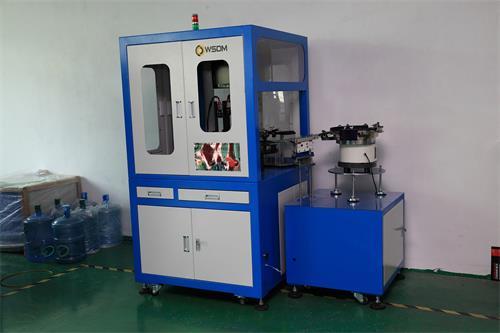
In the field of optical testing, ensuring the highest level of quality and precision is essential. One of the most effective tools for achieving this is CCD (Charge-Coupled Device) visual inspection automated equipment. This technology utilizes advanced imaging systems to perform inspections with remarkable accuracy, significantly improving the efficiency of quality control processes.
CCD visual inspection systems rely on semiconductor devices that convert light into electronic signals. When integrated into automated equipment, they allow for high-resolution imaging of optical components, such as lenses and prisms. This capability enables inspectors to detect even the most minute defects, such as scratches, bubbles, or misalignments, that could compromise the performance of optical instruments.
One of the key advantages of CCD visual inspection automated equipment is its speed. Traditional manual inspection methods can be time-consuming and prone to human error. In contrast, automated systems can process multiple items in a fraction of the time, providing rapid feedback on product quality. This not only accelerates production timelines but also enhances the overall reliability of the inspection process.
Moreover, CCD technology ensures consistency in inspections. Automated equipment can be programmed to follow standardized protocols, reducing variability between inspections. This consistency is crucial for manufacturers who need to maintain strict quality standards across large volumes of production. As a result, CCD visual inspection systems provide a more objective assessment of optical components, leading to improved product reliability.
Another significant benefit of utilizing CCD visual inspection automated equipment is the ability to gather and analyze data. These systems can store inspection results, allowing manufacturers to track trends and identify recurring issues. This data-driven approach facilitates continuous improvement in production processes and helps in the implementation of preventive measures to enhance quality control.
In conclusion, CCD visual inspection automated equipment stands as a vital asset in the optical testing industry. By leveraging advanced imaging technology, manufacturers can achieve superior accuracy, efficiency, and consistency in their inspection processes. As the demand for high-quality optical components continues to grow, investing in such advanced inspection systems will be key to maintaining competitive advantage and ensuring customer satisfaction. Embracing these technologies not only enhances quality control but also paves the way for innovation and growth in the optical instrumentation sector.
Contact Us
Ms. Lu: +86-18128878019
Phone: +86 0755-23199519
ADD : Room 302, 402, Building A, Xinpitou Industrial Zone, Kanghong Road, Xinqiang Community, Xinhu Street, Guangming New District, Shenzhen
Online Message
Our team will get in touch with you shortly, so keep an eye on your inbox




